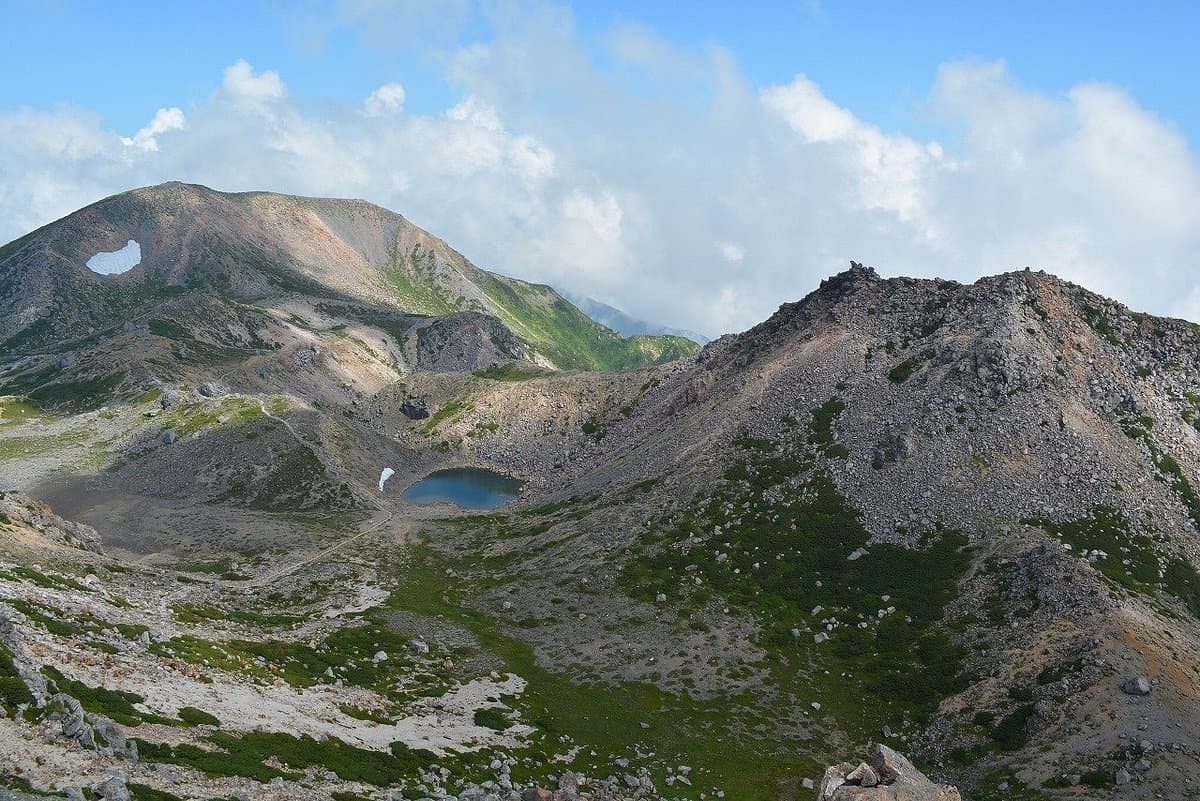
Mt. Hakusan is one of Japan's three sacred mountains, alongside Mt. Fuji and Mt. Tateyama, holding significant spiritual and natural importance. It is renowned for its pristine alpine environment, diverse flora, and challenging hiking trails, making it a prime destination for trekkers and nature enthusiasts.
Visitors consistently highlight the mountain's breathtaking natural beauty, with many praising the abundance of alpine flowers in full bloom during early August. The experience of hiking through untouched landscapes, free of litter, is frequently mentioned as a major draw. Reviewers also note the rewarding views from the summit, making the strenuous ascent worthwhile. However, several visitors emphasize the challenging nature of the trails, describing them as steep, rocky, and potentially slippery, requiring a good level of physical fitness.
For a day ascent, visitors strongly recommend starting early, ideally taking the 5:30 AM bus to ensure enough time to complete the hike. The climb itself can take around 3 hours up and 3 hours down, not including time spent at the summit. Bringing sufficient water, snacks, and appropriate hiking gear, including sturdy shoes, is crucial. While some visitors have enjoyed the mountain in May with snow still present, the peak season for alpine flowers and more accessible conditions is from August to September. Consider an overnight stay at one of the mountain huts or the campsite if you prefer a more relaxed pace or wish to experience the sunrise from the summit.
Access to Mt. Hakusan is primarily by bus or car. During the summer season only, public buses operate from Kanazawa Station to Bettodeai, which is a common starting point for trails. It's important to note that buses from Hakusan to Bettodeai may only run on weekends and holidays during peak season, so checking schedules in advance is essential. If driving, visitors mention that once you reach the base, you might need to take another shuttle bus to the actual trailhead. The trails are generally well-marked and obvious, though the final few hundred meters to the summit can be particularly challenging.
A common complaint among less prepared hikers is the unexpected difficulty and steepness of the trails. To mitigate this, ensure you are in good physical condition, wear appropriate hiking boots, and carry enough water and food. Some visitors also mention that weather conditions can change rapidly, potentially obscuring views, so checking the forecast and being prepared for various conditions is advisable.