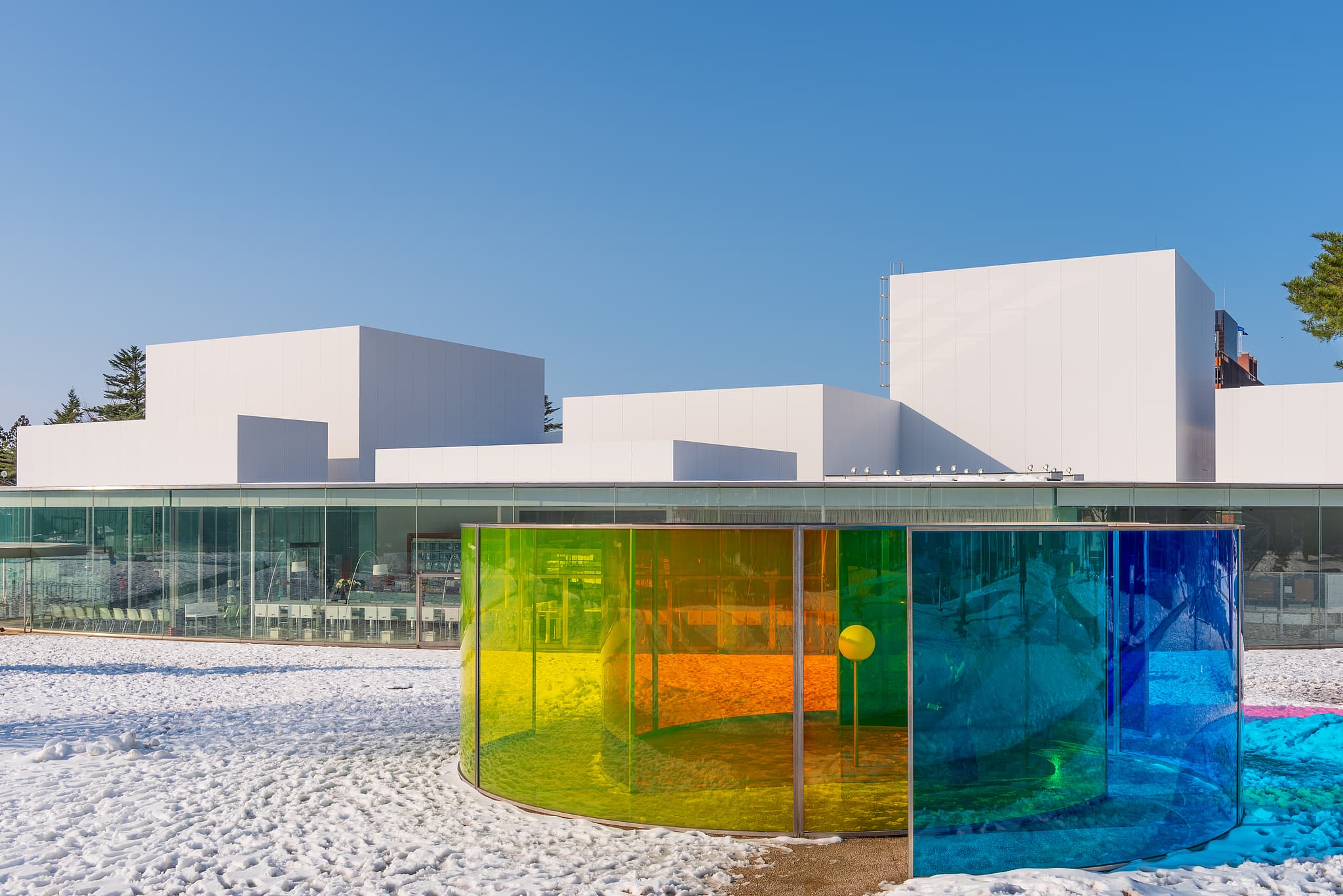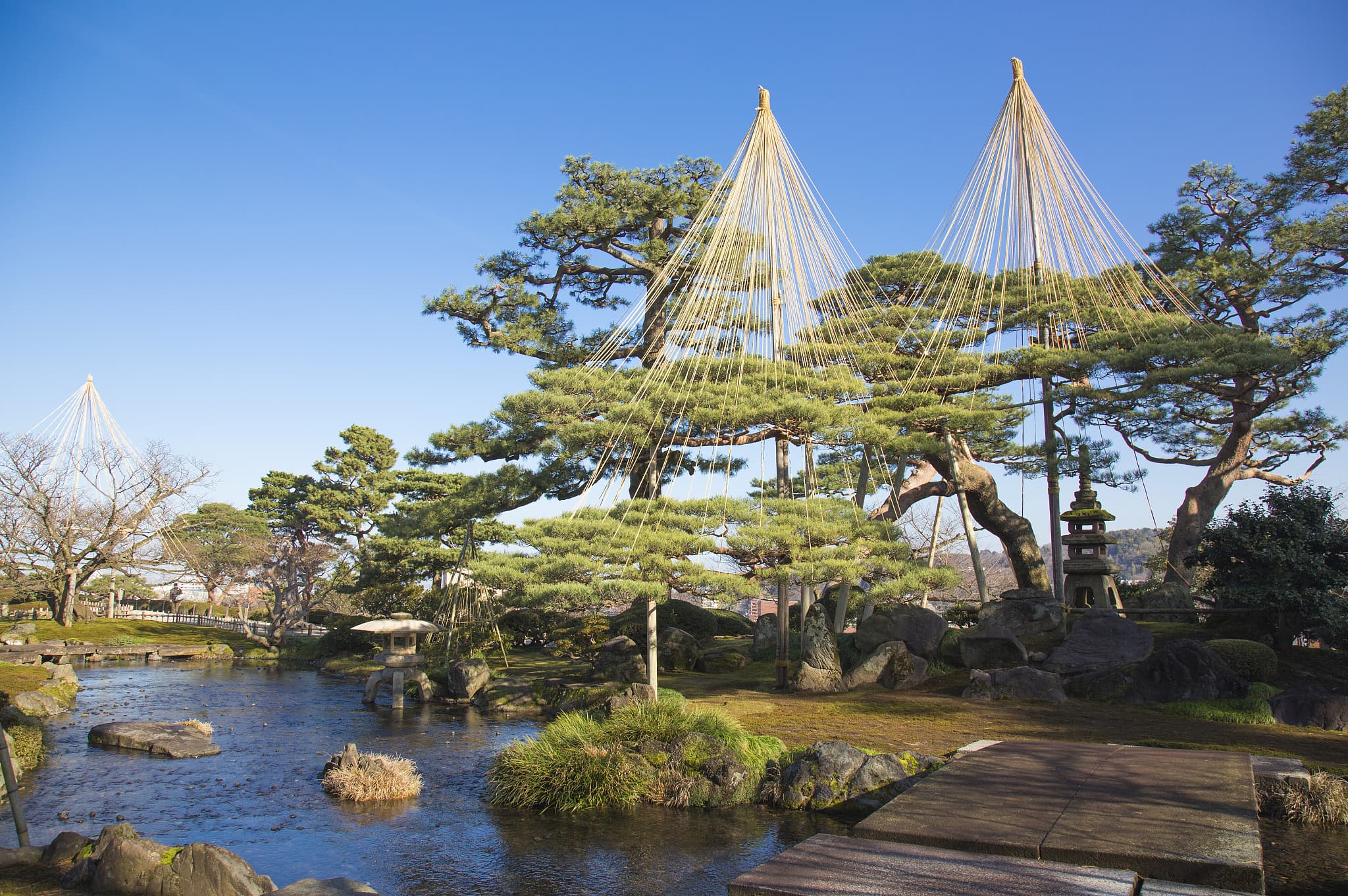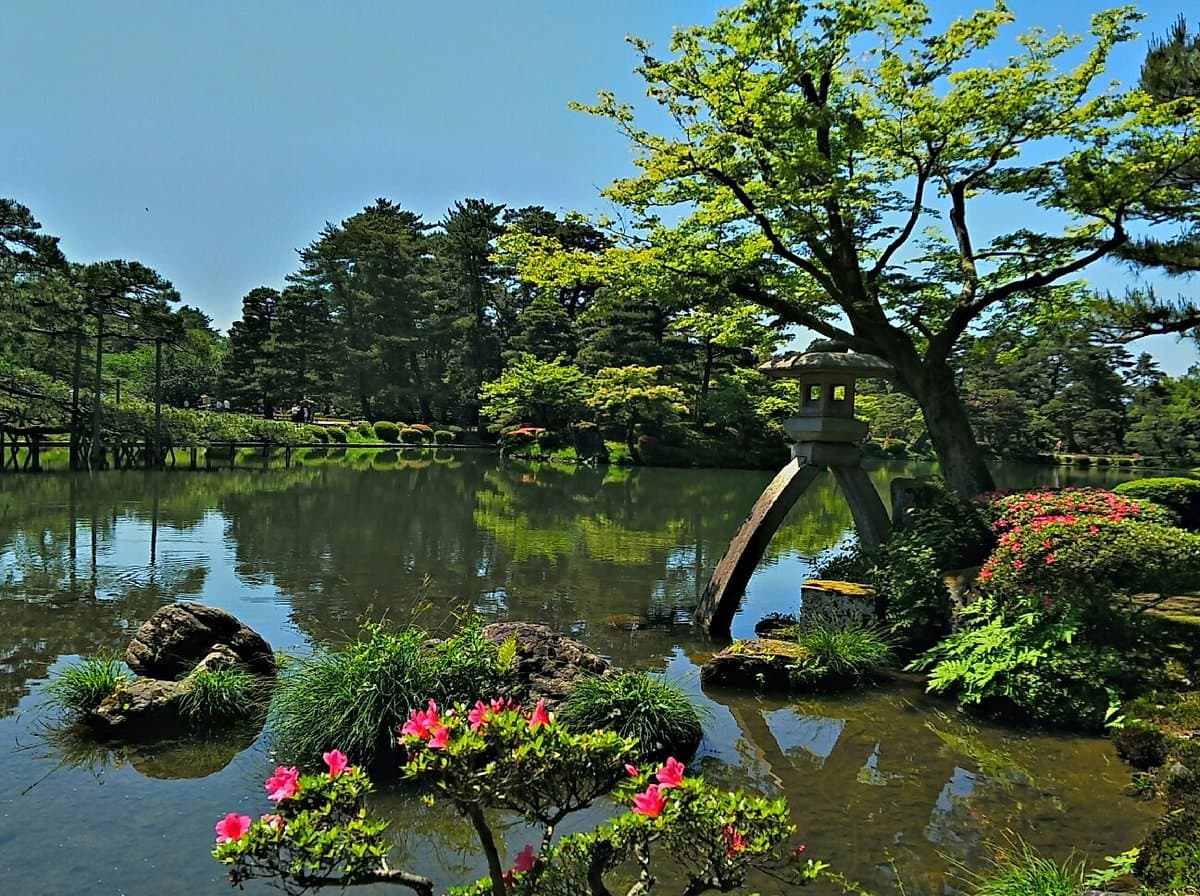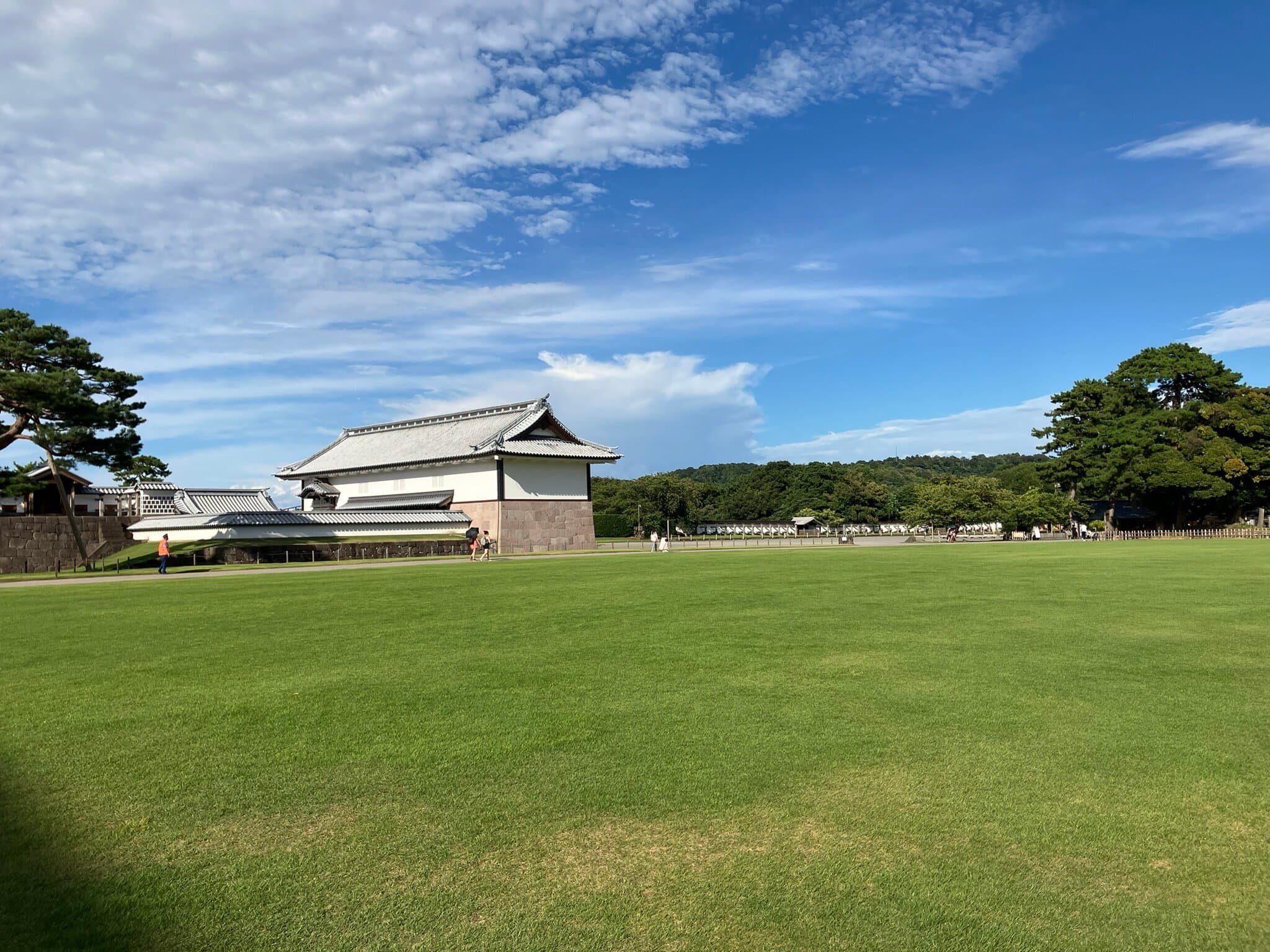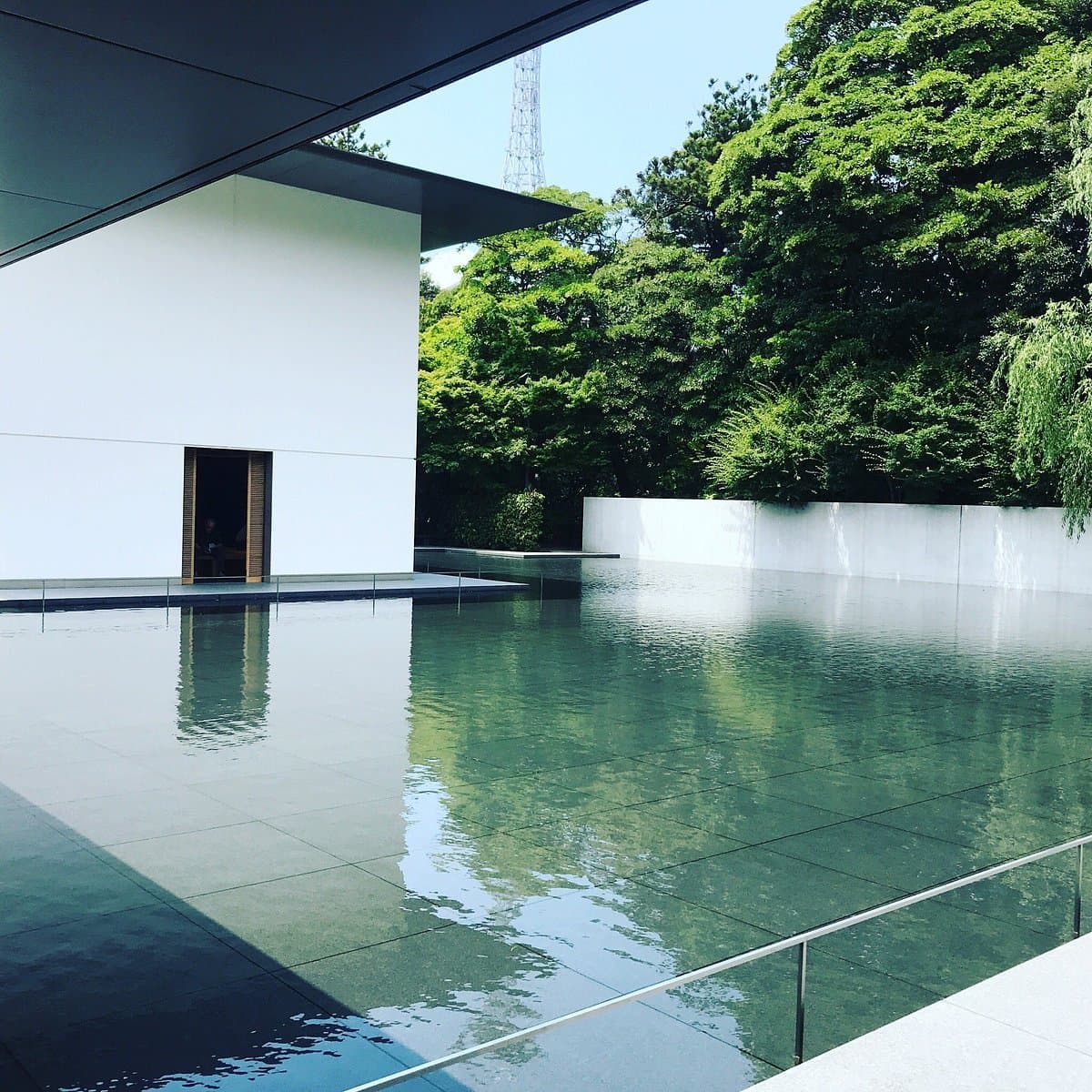
The D. T. Suzuki Museum is a distinctive architectural tribute to Daisetz Teitaro Suzuki, a prominent philosopher credited with introducing Zen Buddhism to the Western world. Designed by Yoshio Taniguchi, the museum is less about extensive exhibits and more about creating a space for quiet contemplation and reflection, embodying Suzuki's philosophy through its minimalist design and serene environment.
Visitors consistently praise the museum's stunning modern architecture and the tranquil water garden, often described as the highlight of their visit. Many find the atmosphere profoundly peaceful, allowing for a sense of 'Zen' and a welcome break from busy sightseeing. The design, with its long corridors, thoughtful use of light, and the reflective pond, is frequently lauded as a masterpiece of contemporary Japanese architecture. Reviewers note that the museum's ability to evoke calm and introspection is its primary appeal, with some spending considerable time simply sitting by the pond.
To make the most of your visit, allocate about 1-2 hours. The best time to visit is during quieter periods, such as weekday mornings, to fully immerse yourself in the contemplative atmosphere, as crowds can detract from the experience. While the indoor exhibits are sparse, focusing on Suzuki's life and writings, the main draw is the architectural experience and the outdoor spaces. Consider bringing a book or journal if you wish to spend more time reflecting. English interpretations are available, though some visitors feel the historical information could be more comprehensive.
The museum is located at 3-4-20 Hondamachi, Kanazawa, and is a short walk from the 21st Century Museum of Contemporary Art, making it convenient to combine with other attractions. Several reviewers mention that their ryokan hosts recommended the museum, suggesting it's a well-regarded local gem. While specific public transport lines aren't frequently mentioned in reviews, its proximity to other major Kanazawa sights implies good accessibility. Visitors often walk from the central tourist areas.
A common complaint is that the museum is 'not a traditional museum' with many exhibits, leading to disappointment for those expecting extensive historical displays. Some also feel the entry fee is high for the limited indoor content. To mitigate this, approach the visit with the understanding that it is an architectural and contemplative experience rather than an information-heavy museum. If you are not interested in quiet reflection or modern architecture, you might find the experience less engaging. Also, be aware that on busy days, the meditative quality can be diminished by other visitors.