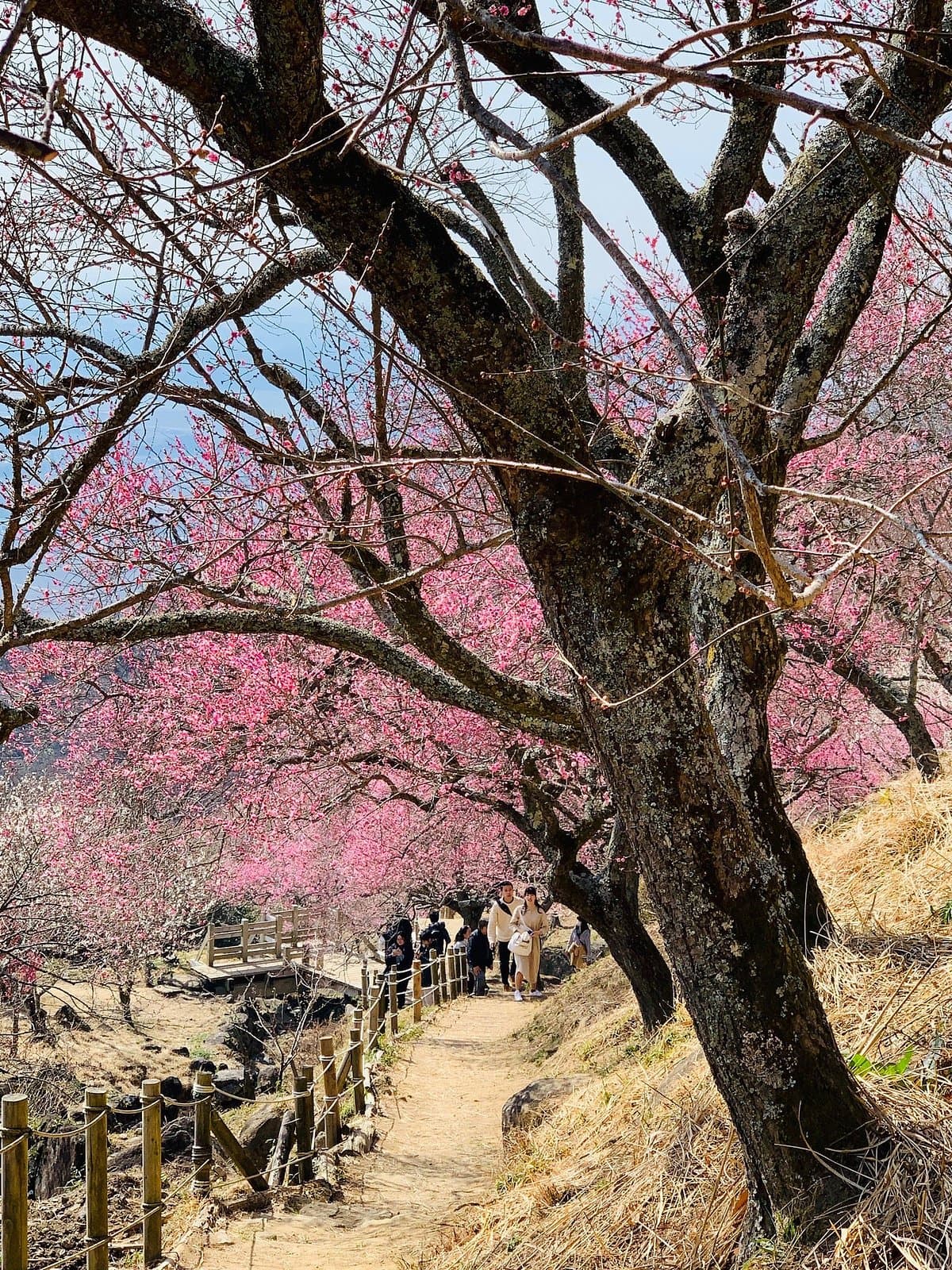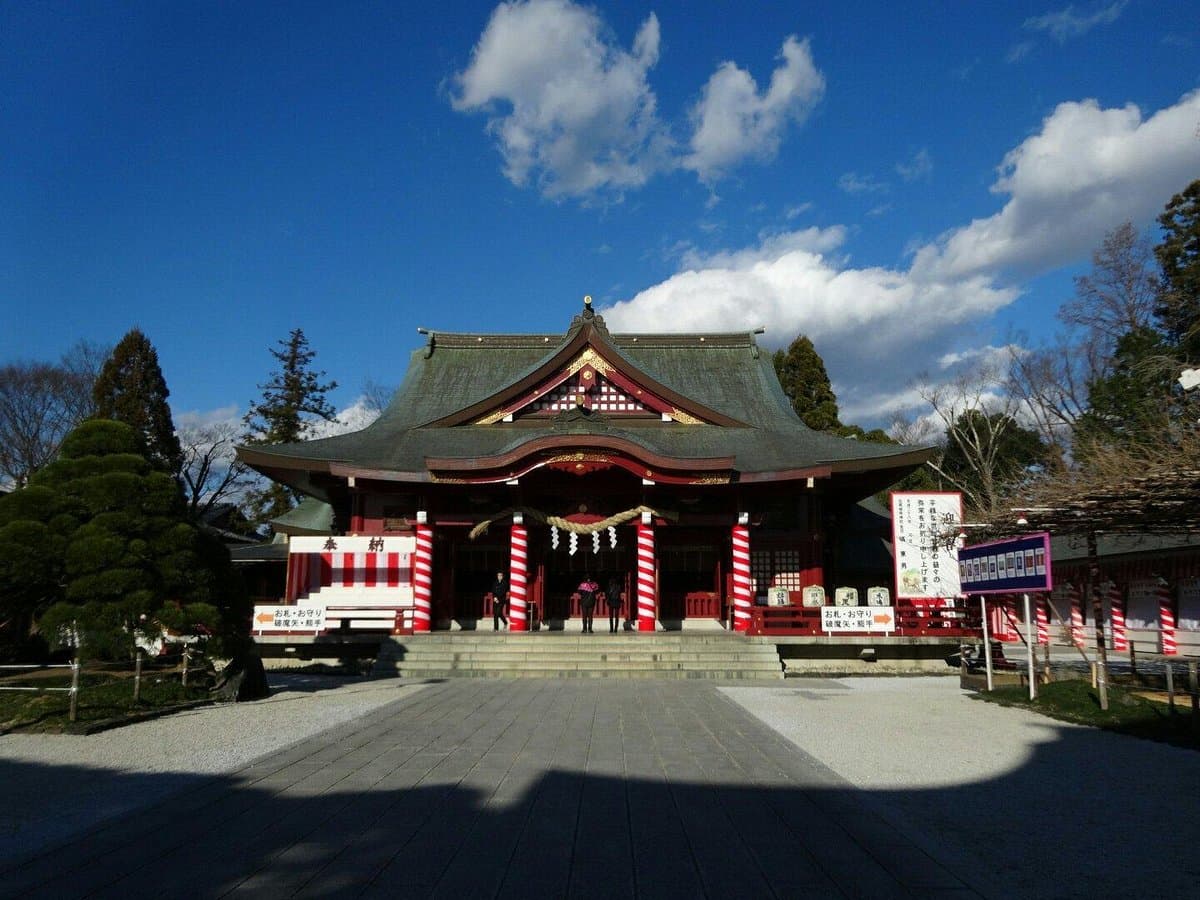
Tsukubasan Shrine is an ancient Shinto shrine located at the foot of Mount Tsukuba, a sacred mountain in Ibaraki Prefecture. It is deeply intertwined with the worship of Mount Tsukuba itself, with deities Izanagi-no-Mikoto and Izanami-no-Mikoto enshrined on its two peaks. The shrine is considered a significant 'power spot' in Japan, particularly associated with good luck in finding a partner, marital harmony, and safe childbirth, making it a popular destination for couples and those seeking blessings in relationships.
Visitors consistently praise the shrine's beautiful and well-maintained architecture, noting the detailed artwork on the main hall. Many describe the atmosphere as peaceful and solemn, especially during quieter times. The historical significance, with legends dating back over 3000 years, also adds to its appeal. Reviewers often combine their visit with a trip up Mount Tsukuba, using the nearby cable car or funicular. Some find the climb to the shrine itself quite rewarding, offering a sense of accomplishment.
To make the most of your visit, consider going early in the morning for a more solemn and less crowded experience. While the shrine itself can be explored in about an hour, allow extra time if you plan to hike or take the cable car up Mount Tsukuba. Bring water, especially during warmer months, as the climb to the shrine can be strenuous for some. Reviewers suggest that while guides might be available, their English proficiency is uncertain. The shrine is particularly popular during New Year holidays, offering a glimpse into Japanese cultural practices, but also attracting larger crowds.
The shrine is located about 25 km north of Tsukuba TX Station. While some visitors drive, noting the scenic views, parking can be confusing due to locals offering private lots. A public car park is available for around 500 yen, a short walk from the shrine. The paths and steps leading to the shrine can be uneven, so caution is advised. For those combining the visit with Mount Tsukuba, the cable car service is conveniently located behind the shrine, offering a 10-minute ride to the mountain's summit.
A common complaint among some visitors is that the shrine, while beautiful, might not feel 'special' compared to larger, more famous shrines, especially if visited in isolation without exploring Mount Tsukuba. To mitigate this, consider the shrine as part of a broader experience that includes the natural beauty and hiking opportunities of Mount Tsukuba. Visiting during off-peak hours can also enhance the sense of peace and allow for a more intimate appreciation of its ancient architecture.