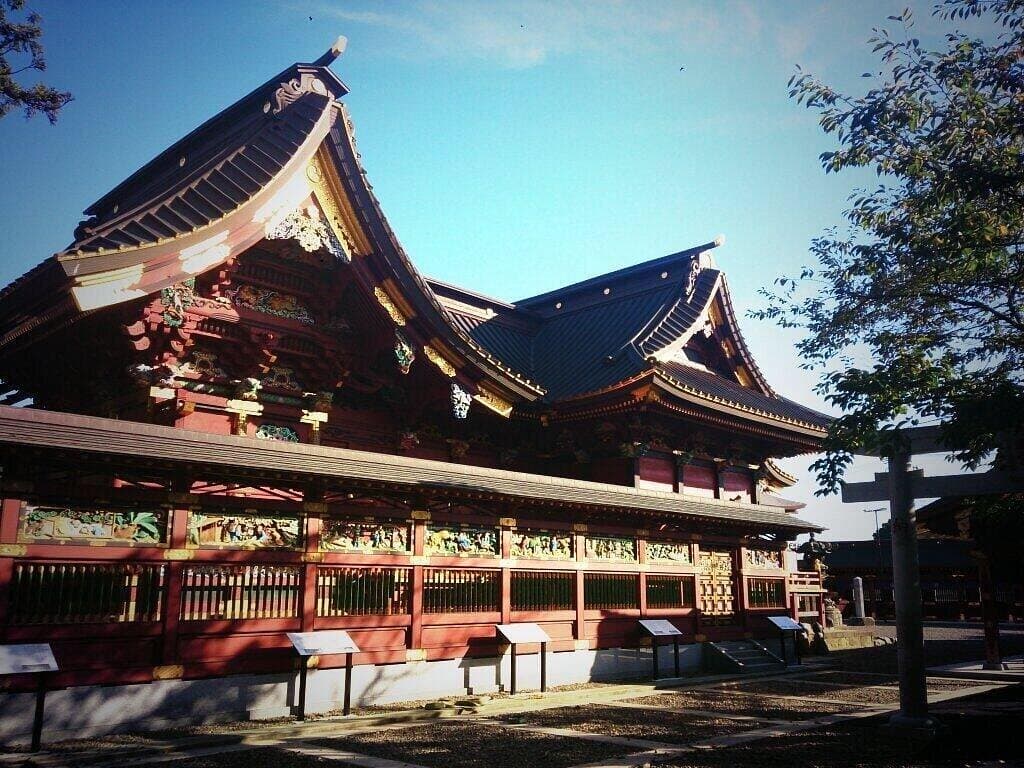
Osugi Shrine, established in 767, is a historical site with over 1300 years of tradition, deeply rooted in the local community of Inashiki. It is particularly renowned for its spiritual significance, with many believing it grants wishes and offers protection against misfortune. This makes it a destination for those seeking blessings or a deeper connection with Japanese spiritual heritage.
Visitors often praise the shrine's serene atmosphere, especially during less crowded times, which allows for a peaceful and reflective experience. The opportunity to receive a prayer, described as simple yet sobering, is a highlight for many, offering a glimpse into traditional rituals. The intricate sculptures visible inside the shrine are also a point of interest, showcasing historical craftsmanship. While some appreciate the variety of charms and red seals available, others find the commercial aspect, with its extensive offerings, to detract from the spiritual ambiance, comparing it unfavorably to more traditional, less flashy sites.
For a fulfilling visit, allocate about 1-2 hours to explore the grounds, take photos, and perhaps participate in a prayer. The shrine is generally not very large, making it manageable for a short stop. It is advisable to visit during weekdays or early mornings to avoid potential crowds, as some reviewers noted it can get busy, especially on holidays. Bringing a camera is recommended for capturing the unique architecture and serene surroundings. There are no specific items to bring, but comfortable walking shoes are always a good idea.
Reaching Osugi Shrine can be a bit tricky. Some visitors have reported issues with navigation systems, which might guide them through less direct routes, such as rice fields. It is suggested to access the shrine from the national road or, if coming from the Kashima Shrine area, to be aware that navigation might lead to a less optimal entrance. Public transport options are limited in this rural area, so driving is often the most practical way to get there. Parking is available on-site. There is no specific mention of public transport lines or stations in the reviews, indicating a car is likely necessary.
A common complaint revolves around the shrine's perceived commercialism, with an unusually large variety of charms and seals that some feel cater to materialism. To mitigate this, visitors can focus on the historical and spiritual aspects of the shrine, appreciating the architecture and the opportunity for prayer, rather than dwelling on the souvenir shops. While the large cedar tree, from which the shrine gets its name, might not appear as grand as expected by some, its historical significance remains.