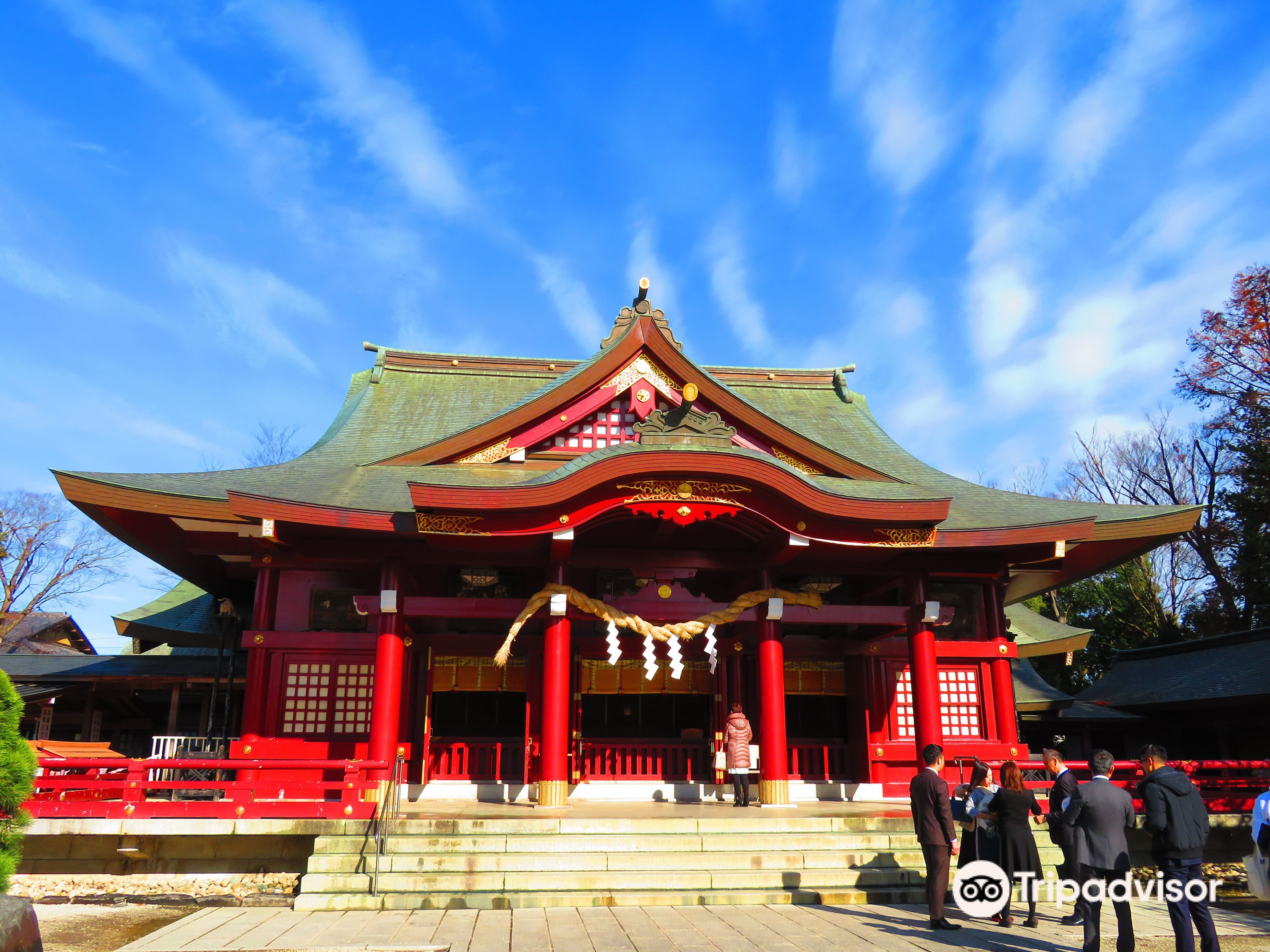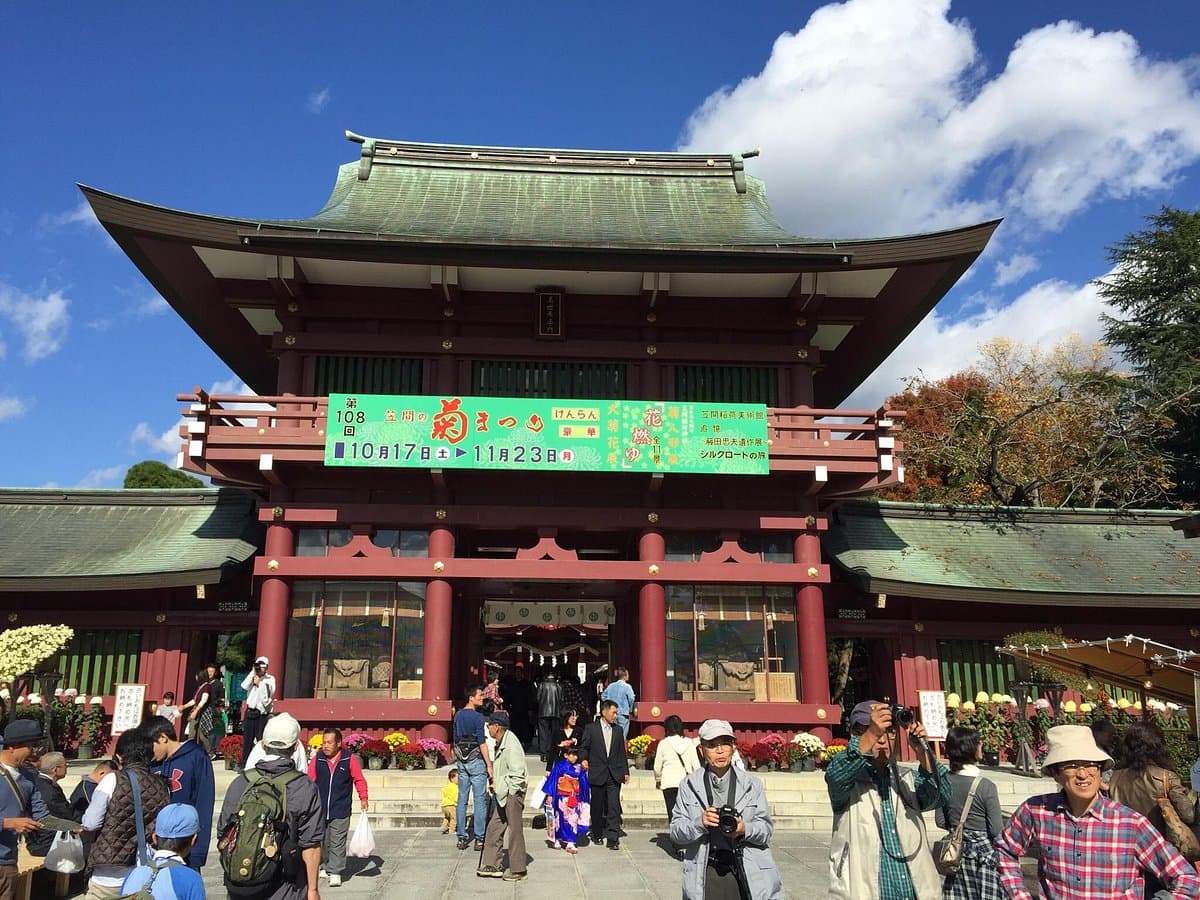
The Kasama Chrysanthemum Festival is one of Japan's oldest and most renowned chrysanthemum festivals, held annually at the historic Kasama Inari Shrine. This event is a significant cultural showcase, celebrating the chrysanthemum, a flower deeply symbolic in Japanese culture, through elaborate displays and traditional artistry. It draws visitors keen to experience a unique aspect of Japanese horticulture and seasonal festivities.
Visitors consistently praise the sheer variety and beauty of the chrysanthemums on display, with many highlighting the intricate 'kiku ningyo' or chrysanthemum dolls as a particular draw. These life-sized figures, adorned with thousands of fresh chrysanthemum petals, depict historical or mythical scenes and are often described as stunning works of art. Reviewers frequently mention the peaceful and traditional atmosphere of the shrine grounds during the festival, making it a pleasant experience for all ages. Some visitors note that the festival offers good photo opportunities, especially for those interested in floral photography.
To make the most of your visit, plan to spend approximately 1 to 2 hours exploring the displays. The festival is held in autumn, typically from late October to late November, which is generally a pleasant time for outdoor activities in Japan. Arriving earlier in the day might help avoid larger crowds, though the festival generally maintains a calm ambiance. There is no specific attire required, but comfortable walking shoes are advisable as you will be strolling through the shrine grounds. Consider bringing a camera to capture the detailed floral arrangements.
The Kasama Inari Shrine, where the festival is held, is located at 1 Kasama, Kasama, Ibaraki Prefecture. While specific public transport details are not consistently highlighted in reviews, Kasama Station is the nearest train station. From there, local buses or taxis would likely be available to reach the shrine. For those driving, parking facilities are usually available in the vicinity of major shrines during festival periods, though it is advisable to check local information for specific parking arrangements and potential fees.
A common point raised by some visitors is that the festival, while beautiful, might feel somewhat repetitive if one is not deeply interested in chrysanthemums or traditional Japanese horticulture. To mitigate this, focus on the unique aspects like the chrysanthemum dolls and the overall cultural experience rather than just the individual flower displays. Some also suggest combining the visit with other local attractions in Kasama to create a more varied itinerary.