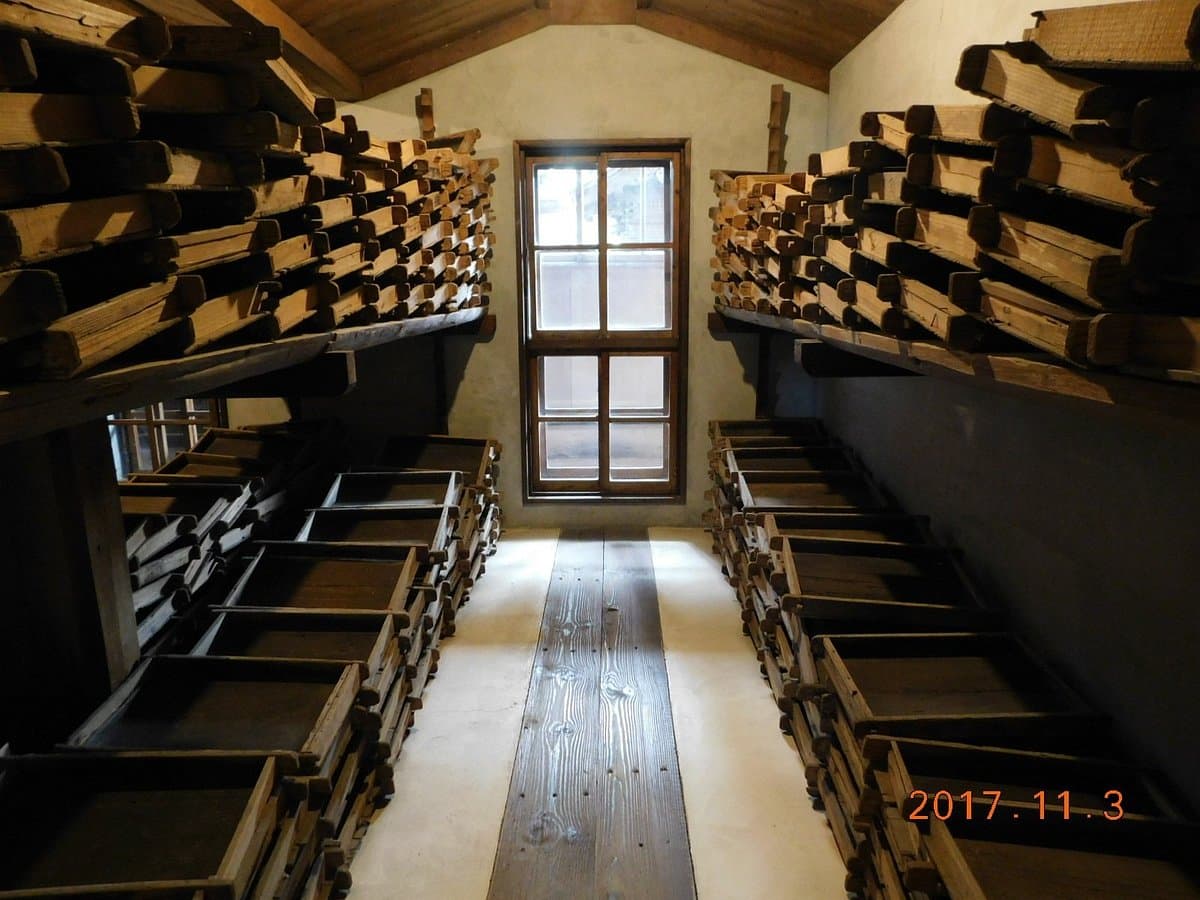
The Usukuchi Tatsuno Soy Sauce Museum is dedicated to the history and production of usukuchi soy sauce, a lighter-colored and saltier variety originating from Tatsuno. It offers a unique glimpse into a significant aspect of Japanese culinary tradition and local industry, showcasing the craftsmanship and evolution of soy sauce making over centuries.
Visitors consistently praise the museum for its well-presented exhibits, which provide an engaging and informative experience. Reviewers note that despite the potentially niche subject, the displays are captivating enough to hold attention, allowing for a leisurely exploration. The museum is often recommended as part of a broader visit to Tatsuno's historic castle town, suggesting it complements a day of sightseeing rather than being a standalone destination.
For the best experience, visitors suggest planning a visit during weekdays to avoid potential crowds, although the museum is generally not overly busy. A typical visit might last around 1 to 2 hours, allowing ample time to appreciate all the exhibits without rushing. There is no specific advice on what to bring, but comfortable shoes are always recommended for exploring the surrounding castle town. While not explicitly mentioned in reviews, it's advisable to check for any tasting opportunities or gift shop items related to soy sauce for a complete experience.
The museum is located at 54-1 Tatsunocho Ote, Tatsuno, Hyogo Prefecture. It is situated within the historic Tatsuno castle town, making it accessible as part of a walking tour of the area. Public transportation options to Tatsuno typically involve train services. From major cities like Himeji, visitors can take the JR Kishin Line to Hon-Tatsuno Station. The museum is then a walkable distance from the station, allowing visitors to enjoy the scenic castle town on their way.
No significant complaints are commonly reported by visitors. The main consideration is that the museum's focus on soy sauce might not appeal to everyone. However, for those with an interest in Japanese culture, food history, or local crafts, it provides a rewarding and educational experience.
