The Osamu Tezuka Manga Museum is a tribute to one of Japan's most influential manga artists, Osamu Tezuka, often referred to as the "God of Manga." Located in Takarazuka, where Tezuka spent his childhood, the museum provides a comprehensive look at his life, artistic evolution, and the enduring legacy of his creations, including beloved characters like Astro Boy and Kimba the White Lion. It serves as a significant cultural landmark for understanding the origins and impact of modern Japanese animation and comics.
Visitors consistently praise the museum for its extensive collection of Tezuka's works, original drawings, and personal artifacts. Many appreciate the opportunity to delve into his background, including his medical doctor training, which influenced many of his stories. The museum's layout, spread across multiple floors, allows for a thorough exploration, with a digital database and manga library on the second floor where guests can read his entire catalog. Families with children often find the museum engaging, noting the cute cafe and kiosk, and the availability of Tezuka's short films for viewing. Even those who are not ardent manga fans find it an accessible introduction to this significant Japanese art form.
To make the most of your visit, plan to spend approximately 2-3 hours. While much of the information is in Japanese, many visitors report that the visual nature of the exhibits, coupled with a provided English floor plan, makes it enjoyable even without full translation. Some reviewers suggest bringing cash for tickets, as card payments might not always be accepted. The museum can be combined with a visit to the nearby Takarazuka Revue for a full day of cultural immersion. Consider visiting during weekdays to avoid larger crowds, though the museum is generally not overly packed.
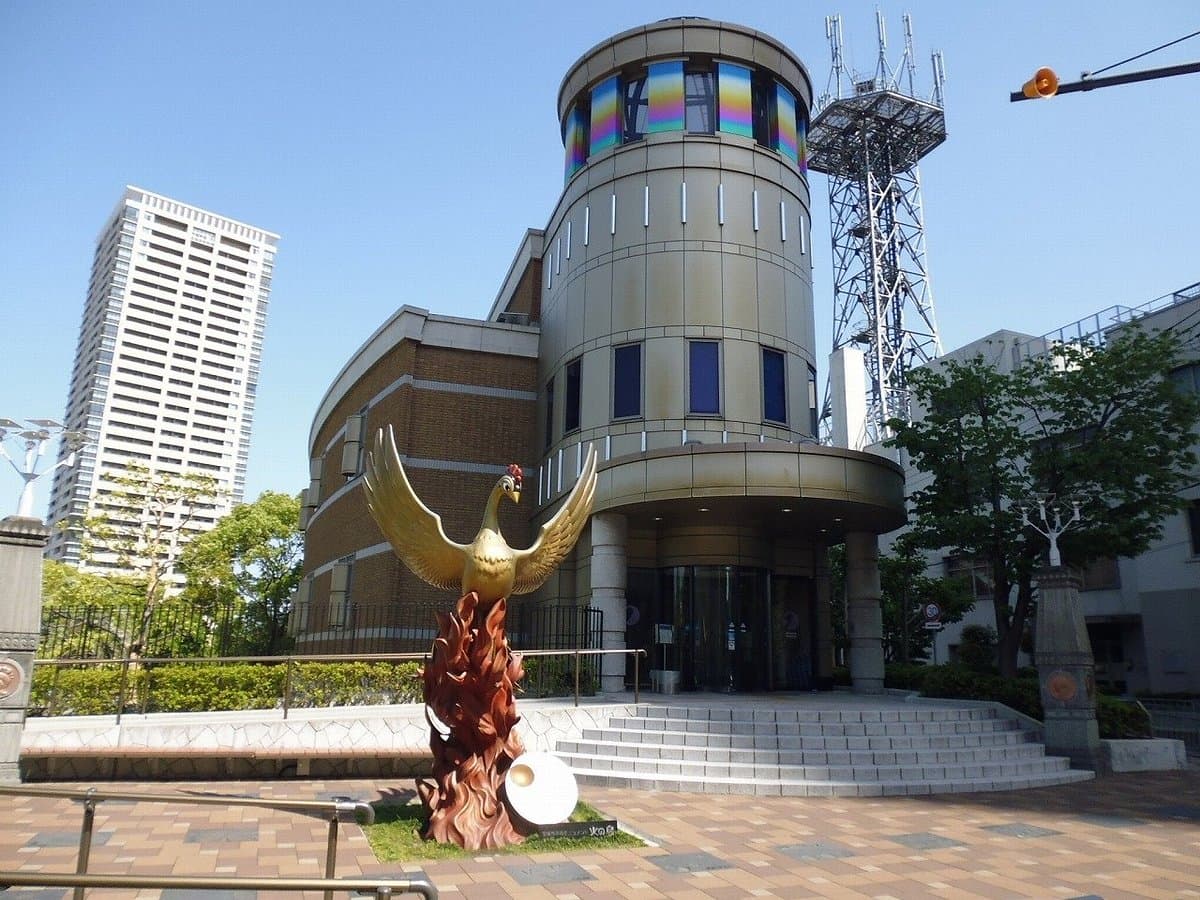
The museum is conveniently located within walking distance from Takarazuka Station, which is the end of the Hankyu Takarazuka Railway Line. Several visitors mention a pleasant 10-15 minute walk from the station, noting a colorful tower and a large Phoenix figure welcoming them. Both JR and Kintetsu lines also serve Takarazuka Station, making it easily accessible from Osaka. Driving is also an option, though public transport is highly recommended for ease and convenience.
A common complaint among non-Japanese speaking visitors is the limited English signage and explanations. While a floor plan is often provided, some feel that a deeper understanding requires translation assistance. To mitigate this, consider using a translation app on your phone or going with a local who can provide context. Some also note that the museum might feel less impressive when compared to larger, more modern museums like the Ghibli Museum, but emphasize that its unique focus on Tezuka's pioneering work makes it a worthwhile destination for those interested in manga history.