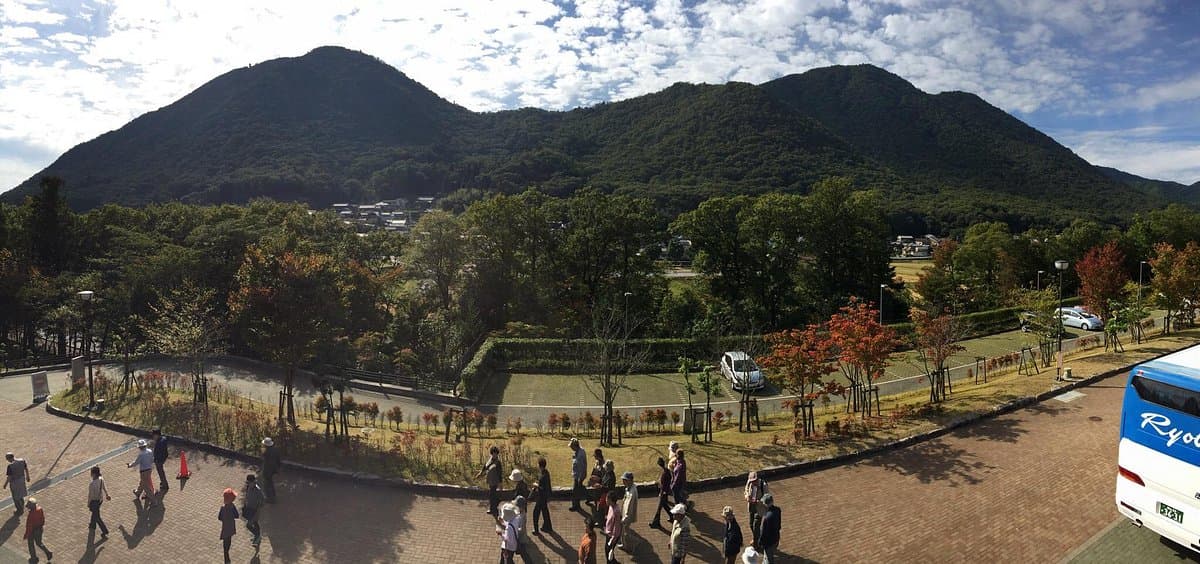
The Museum of Ceramic Art Hyogo is a significant institution dedicated to preserving and showcasing the rich heritage of Japanese ceramics, with a particular emphasis on Tambayaki, one of Japan's ancient pottery traditions. It serves as a central hub for understanding the historical development, artistic techniques, and cultural importance of ceramics from the Hyogo Prefecture and beyond.
Visitors consistently praise the museum's comprehensive collections, which span multiple floors and offer a detailed overview of ceramic art. Reviewers highlight the beautiful hillside location, providing picturesque views of the valley and mountains, which enhances the overall experience. The presence of a restaurant serving high-quality food is also frequently mentioned as a pleasant surprise, offering a good dining option during a visit. Many appreciate the nearby sales center, which provides an opportunity to purchase works directly from local Tambayaki potters, allowing for a direct connection with the craft.
For a fulfilling visit, allocate approximately 2-3 hours to explore the museum's galleries thoroughly. While the museum is open year-round, visitors note that January might not be the ideal time to visit the surrounding Tamba potteries, as many may be closed. It is advisable to check the operating hours of individual potteries if combining the museum visit with a tour of local workshops. Consider visiting during warmer months to fully enjoy the scenic surroundings.
The museum is accessible by public transport, though it requires some planning. Visitors mention taking a train to the area, followed by a bus. Be aware that the bus stop might not be directly at the museum entrance, and a short walk across the road from the Tamba studios may be necessary to reach the museum. While specific bus lines are not detailed in reviews, planning your route in advance using local transport apps is recommended. The museum's location on a hillside suggests that walking from the nearest station might be a considerable distance, making the bus a practical option.
A common observation is the potential for nearby potteries to be closed, especially during off-peak seasons like January. To mitigate this, it is recommended to verify the opening status of any specific potteries you wish to visit in the Tamba region before your trip. This ensures a more complete experience if your interest extends beyond the museum itself.