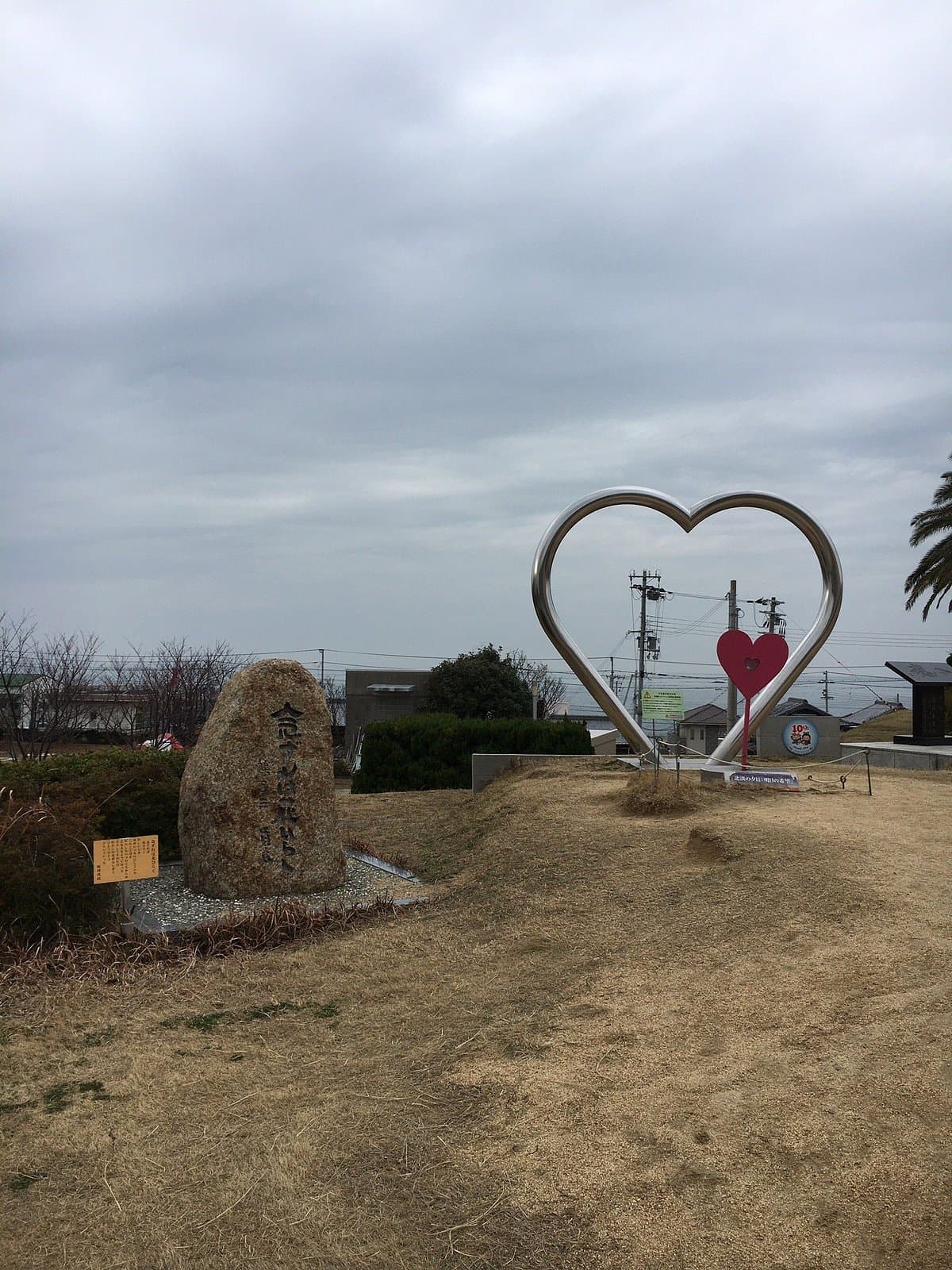
The Nojima Fault Preservation Museum is a crucial site dedicated to preserving and educating about the Nojima Fault, which was exposed during the devastating Great Hanshin Earthquake on January 17, 1995. This museum offers a rare opportunity to see the actual fault line, providing a powerful testament to the earth's immense geological forces and the catastrophic impact of natural disasters. It serves as a vital educational resource, emphasizing the importance of disaster preparedness and remembrance.
Visitors consistently praise the museum for its impactful exhibits. Many reviewers are particularly moved by the preserved house, which was directly affected by the earthquake, and the clock inside, frozen at the exact moment the quake struck. These tangible relics offer a profound and sobering connection to the event, making the abstract concept of an earthquake very real. The explanations provided, often through audio guides or informational panels, are noted for their clarity in detailing how the fault was formed and the mechanics of the earthquake.
To make the most of your visit, allocate approximately 1 to 2 hours. Reviewers suggest visiting during daylight hours for optimal viewing of the outdoor fault line. There are no specific items to bring, but comfortable shoes are advisable for walking around the site. The museum is generally not crowded, allowing for a contemplative experience. Consider combining your visit with other attractions on Awaji Island, such as the Akashi Kaikyo Bridge Exhibition Center, to create a full day of exploration.
The museum is located at 177 Ogura, Awaji, Hyogo Prefecture. While specific public transport details are not frequently mentioned in reviews, Awaji Island is generally accessible by bus from major cities like Kobe or Osaka. Driving is often recommended for greater flexibility in exploring the island, and parking is typically available at the museum. It's advisable to check local bus schedules or plan your route in advance if relying on public transportation.
Common complaints are minimal, primarily revolving around the museum's relatively small size or its somewhat remote location, which can make it less convenient for those without a car. To mitigate this, plan your visit as part of a larger itinerary for Awaji Island, ensuring you have ample time for travel and exploration.