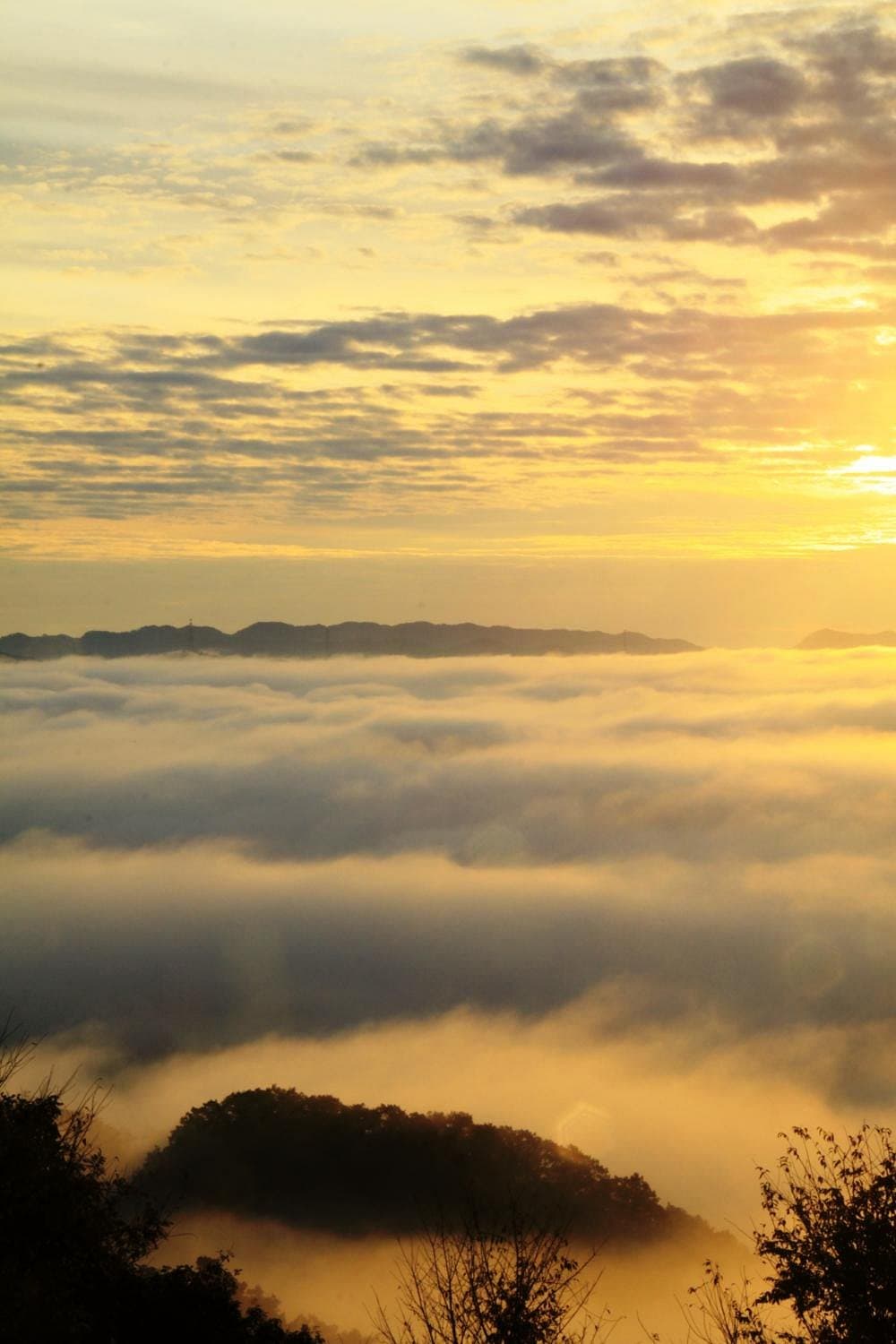
Nishiharima Observatory Park is a significant astronomical facility located in Sayo-cho, Hyogo Prefecture, known for housing one of Japan's largest public telescopes. It serves as both a research center and an educational attraction, offering the public a chance to engage with astronomy and observe the night sky away from urban light pollution.
Visitors consistently praise the park for its excellent stargazing opportunities, especially the chance to use powerful telescopes. Many reviewers highlight the knowledgeable staff who provide clear explanations and enhance the viewing experience. The dark sky environment is frequently mentioned as a major draw, allowing for clear views of stars, planets, and even nebulae. Families with children often report that the experience is both educational and exciting, with kids particularly enjoying the interactive exhibits and the sheer wonder of seeing celestial bodies up close.
To make the most of your visit, it is advisable to check the park's schedule in advance for special viewing events or guided tours, as these can significantly enhance the experience. Bringing a jacket, even in warmer months, is recommended as temperatures can drop significantly at night, especially at higher altitudes. A visit typically lasts 2-3 hours, allowing ample time for observation and exploring the exhibits. Consider bringing binoculars if you have them, though the park's telescopes are the main attraction. It's best to visit on a clear night, so checking the weather forecast is crucial.
The observatory is located at 407-2 Nishigaichi, Sayo-cho, Hyogo Prefecture. Due to its remote location designed for optimal stargazing, public transportation options are limited. Most visitors arrive by car, and ample parking is available on-site. Driving allows for flexibility, especially for evening visits. There is no direct train station within easy walking distance, so planning for private transport or a taxi from the nearest town is essential if you do not have a car.
A common complaint among some visitors is the difficulty of access without a private vehicle and the potential for cloudy weather to obscure views. To mitigate this, always check the weather forecast for clear skies before heading out. If driving, ensure your navigation system is updated, as the area can be rural. While the park does its best to provide an experience even on cloudy nights through indoor exhibits, the primary draw is the outdoor observation, so clear weather is paramount for a fulfilling visit.