Nakayama-dera is a historic Buddhist temple in Takarazuka, Hyogo Prefecture, renowned as one of the 33 Kannon temples of the Saigoku region. It holds particular significance for expectant mothers and families, as it is widely revered for prayers related to safe childbirth and child-rearing. This spiritual focus, combined with its serene atmosphere and unique modern amenities, sets it apart from many other temples in Japan.
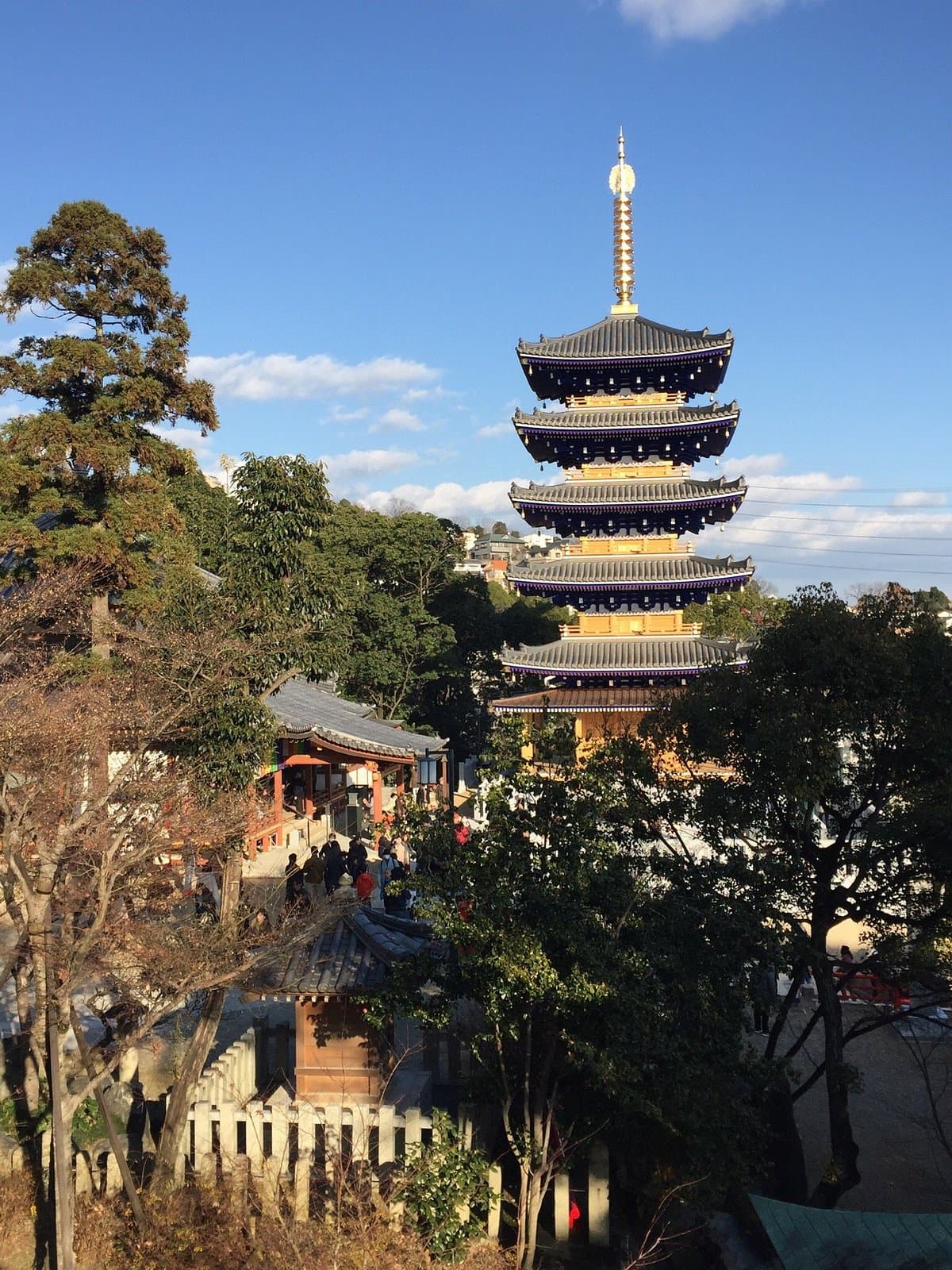
Visitors consistently praise the temple's accessibility, noting the presence of escalators and elevators that make navigating the complex much easier, especially for families with young children, pregnant women, or elderly visitors. Many reviewers, even those who have visited more famous temples in Kyoto and Nara, find Nakayama-dera to be surprisingly impressive and beautiful, highlighting its quiet charm and variety of sights, including a pagoda, guardian statues, and walking trails. The plum grove, with its 1,000 trees, is a particular highlight in late winter/early spring, drawing many to witness the blossoms in full bloom. The presence of cafes and well-maintained facilities, including clean toilets, also contributes to a comfortable visitor experience.
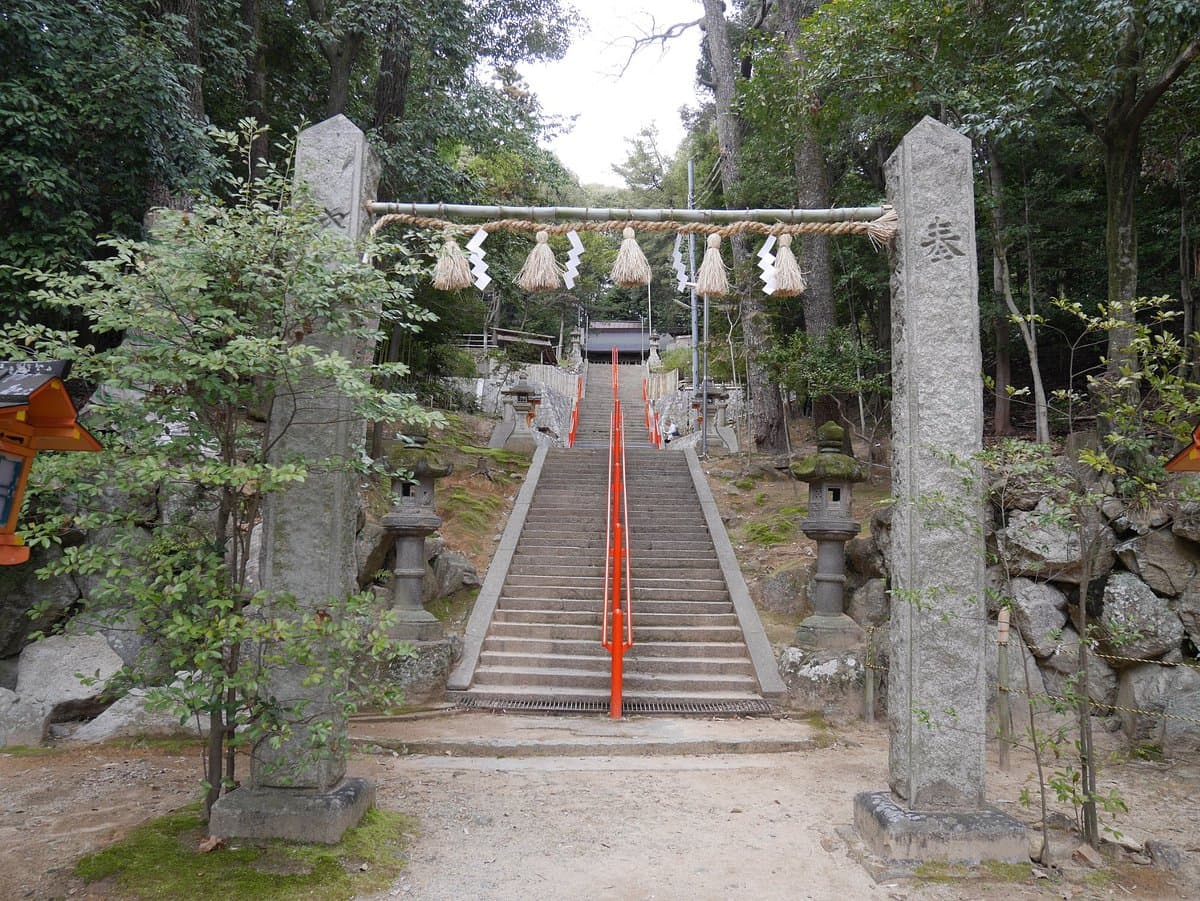
To make the most of your visit, consider spending 2-3 hours exploring the grounds. The best time to visit for plum blossoms is typically late February to early March. Reviewers suggest arriving in the late afternoon to enjoy the impressive views of the Takarazuka-Kansai plateau as evening approaches. While the temple is generally quiet, it can be busy during New Year's holidays or specific festival days. Wear comfortable shoes if you plan to explore the walking trails behind the temple. Despite the escalators, there are still stone steps to navigate in certain areas.
Nakayama-dera is conveniently located about a 10-minute walk from Nakayama Kannon Station on the Hankyu Railway. This makes it easily accessible via public transport from major cities like Osaka or Kyoto. For those preferring not to walk, taxis are usually available at the station. Driving is also an option, though parking availability might vary. The clear signage and well-maintained approach make finding the temple straightforward.
While most reviews are positive, some visitors have noted that parts of the complex can occasionally be under construction, potentially limiting access to certain areas. It's advisable to check the temple's official website or recent reviews before your visit if you have specific areas you wish to see. Despite this, the main areas and gardens generally remain accessible and enjoyable.