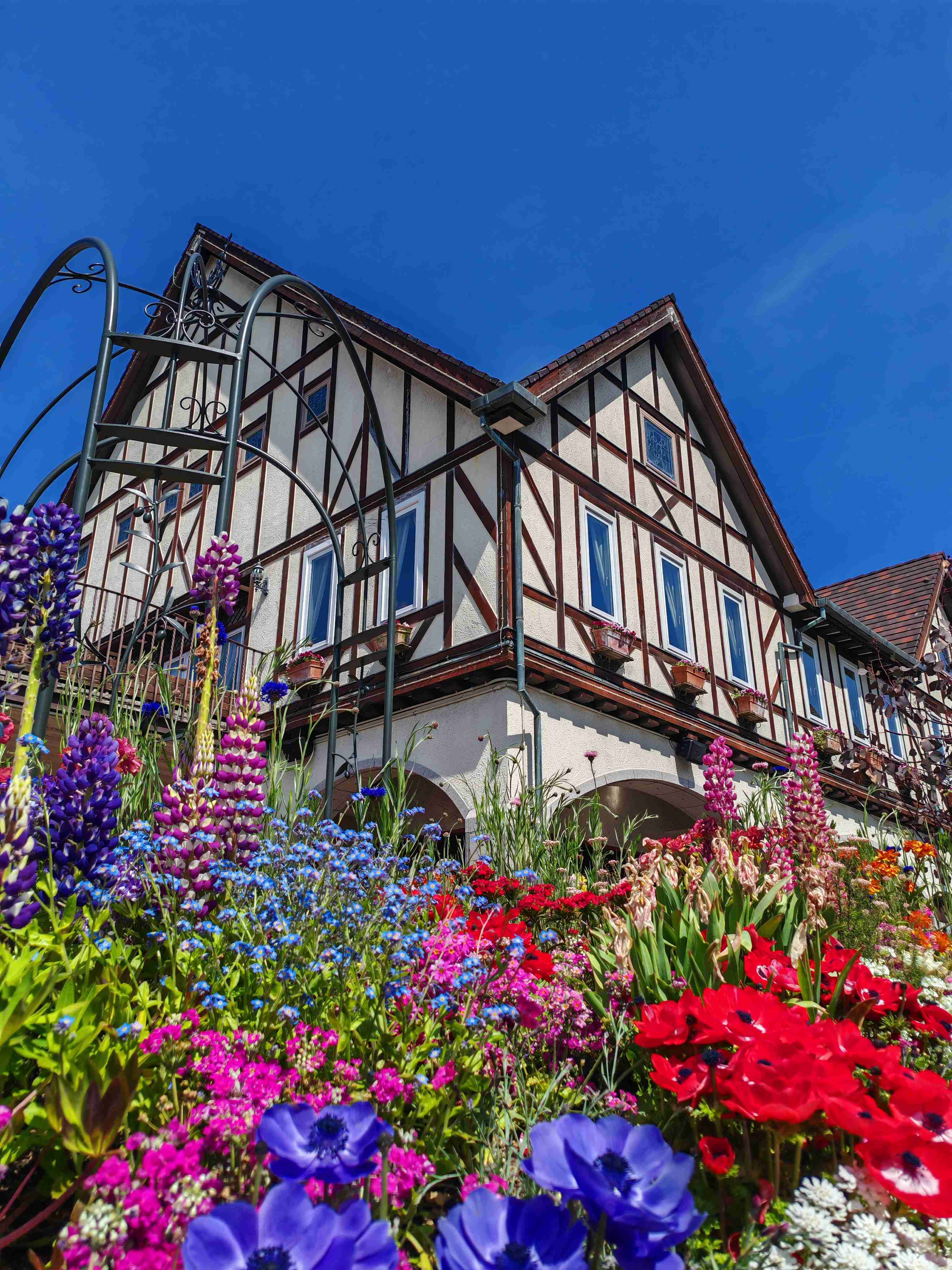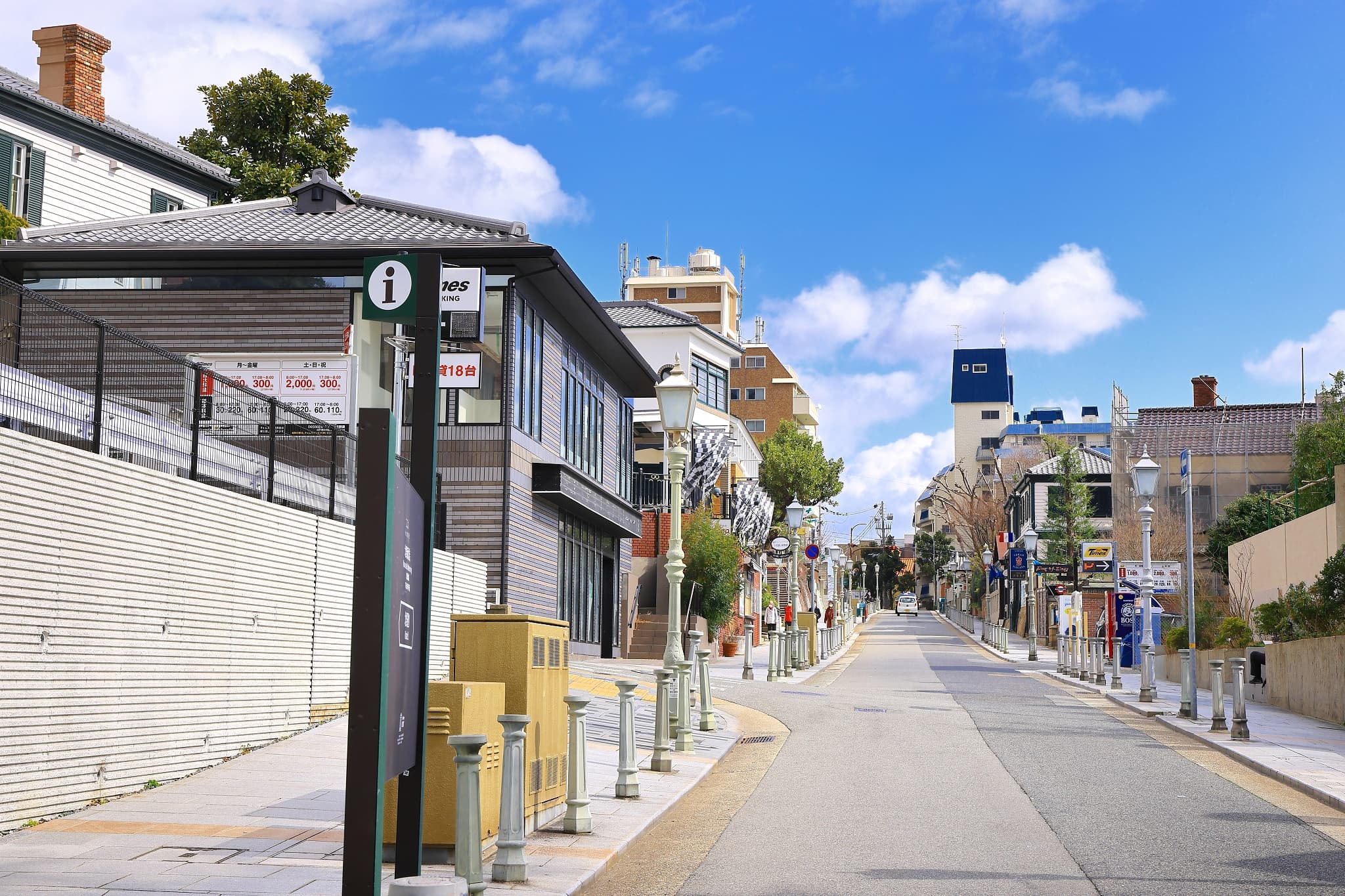
Kobe Kitano Ijinkan-Gai is a historic district in Kobe, renowned for its collection of Western-style residences, or 'Ijinkan,' built by foreign settlers after the port of Kobe opened in 1868. These buildings, dating back to the Meiji era, offer a fascinating glimpse into Japan's rapid modernization and its interactions with the West. The area's significance lies in its architectural diversity and its role in shaping Kobe's international identity.
Visitors consistently praise the area's exotic atmosphere and photographic opportunities. Many reviewers highlight the unique blend of cultures, with buildings reflecting Italian, Danish, and other European styles. The well-preserved nature of the buildings and the clean streets are frequently mentioned, contributing to a pleasant walking experience. Several visitors recommend exploring the various Ijinkan, noting that each retains its unique history and style, often with original furnishings. The iconic Kazami Chicken Hall and Moegi House are popular choices, though some note that certain buildings might be undergoing renovation, which can temporarily affect the experience.
To make the most of your visit, plan to spend 1-3 hours exploring the district. Many reviewers suggest purchasing a package ticket if you intend to enter multiple Ijinkan, as individual entry fees can add up. The area is on a hillside, so comfortable walking shoes are essential. Early mornings or late afternoons are often recommended for photography due to better light and fewer crowds. While some buildings are free to admire from the outside, entering the most famous ones requires a fee. Don't miss the unique Starbucks located in a historic Ijinkan, which many visitors find charming.
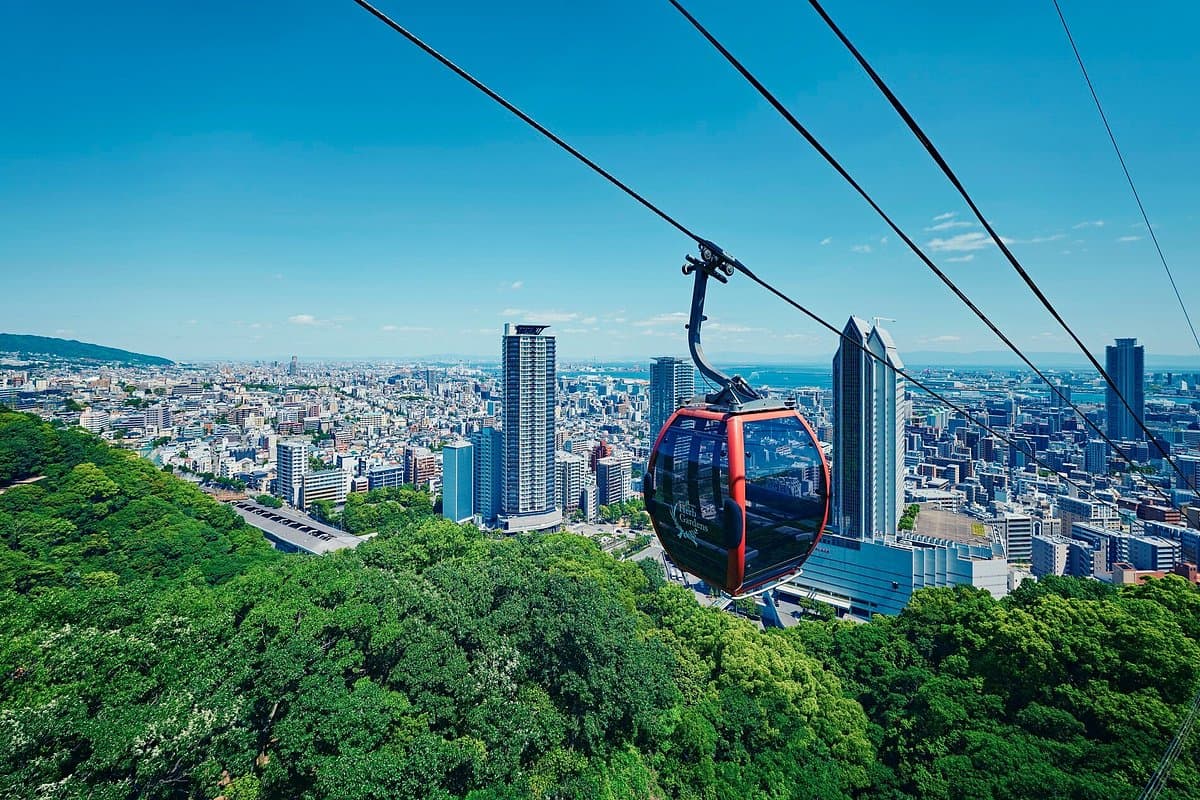
Kobe Kitano Ijinkan-Gai is easily accessible by public transportation. It is located uphill from Sannomiya Station, a major transportation hub in Kobe. From Sannomiya Station, it's about a 15-20 minute walk. Reviewers often mention the pleasant walk through the city streets leading up to the district. Alternatively, local buses or taxis can take you closer to the entrance of the district, especially if you prefer to avoid the uphill walk.
A common complaint among some visitors is the cost of entry for individual Ijinkan, especially if they are not deeply interested in the interiors. To mitigate this, consider focusing on the exterior architecture and the overall ambiance, or select a package ticket for a few key buildings that pique your interest. Some also mention that the area can get crowded, particularly on weekends, so visiting during weekdays or off-peak hours can enhance the experience.