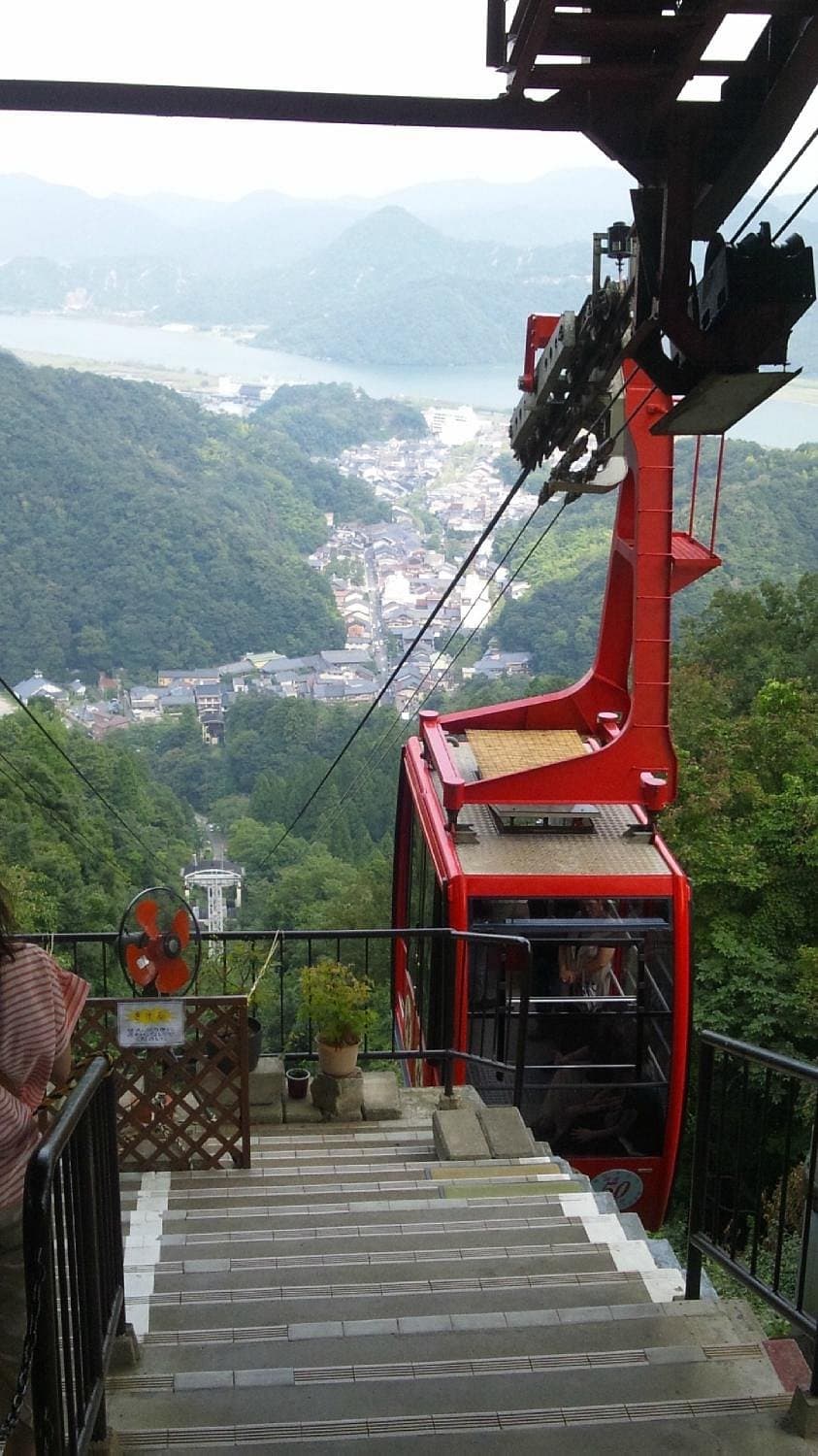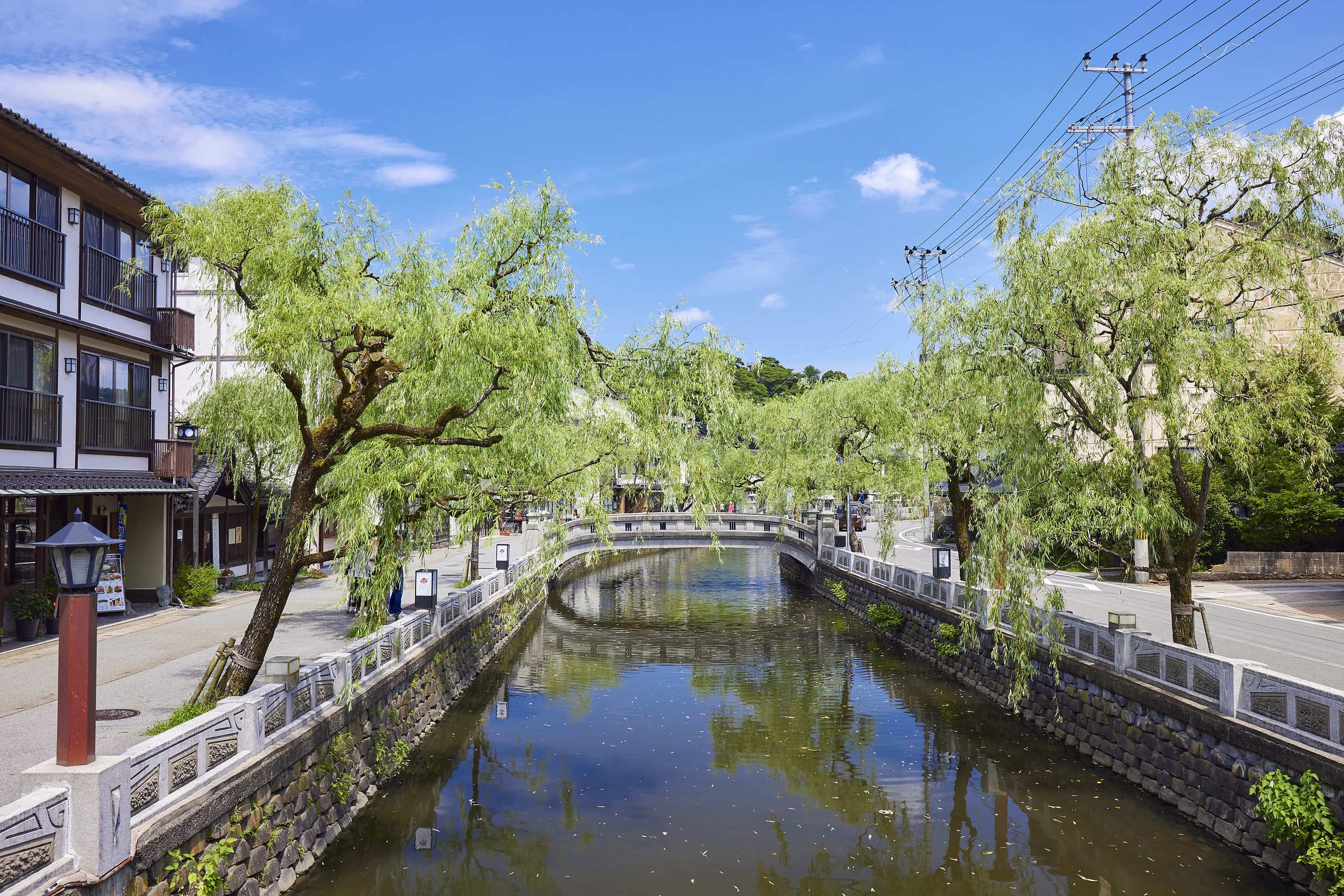
Kinosaki Onsen is a historic hot spring town in Hyogo Prefecture, renowned for its traditional Japanese ambiance and its unique 'onsen-hopping' culture. With a history spanning over 1,300 years, it stands as a representative hot spring destination in the Kansai region, offering a tranquil contrast to Japan's bustling metropolises. The town's charm lies in its seven public bathhouses, each with a distinct character, and the widespread practice of guests wearing traditional yukata and wooden geta sandals as they explore the willow-lined streets.
Visitors consistently praise Kinosaki Onsen for its relaxing atmosphere and the immersive cultural experience it provides. Many highlight the joy of walking around in yukata, the distinctive sound of geta on the streets, and the variety offered by the seven public onsen. The town is often described as 'picturesque' and 'charming,' with its river, bridges, and traditional architecture creating a fairy-tale-like setting, especially beautiful when lit up at night or covered in snow during winter. The hospitality of ryokan staff and the quality of local food, particularly crab and Tajima beef, also receive frequent commendations. A significant advantage noted by many international visitors is Kinosaki Onsen's tattoo-friendly policy, which is rare for Japanese onsen.
To make the most of your visit, consider staying at least one night in a ryokan, as most provide a free pass for all seven public onsen, along with yukata and geta. This allows for a full immersion into the onsen-hopping experience. Reviewers suggest arriving early on your first day to maximize your time, especially if you aim to visit all seven baths. While some visitors manage a day trip, an overnight stay is widely recommended for a truly relaxing experience. Winter is frequently cited as an ideal time to visit, with the snow adding to the town's beauty and enhancing the hot spring experience. Be aware that many shops and restaurants close early, often by 6 PM, so plan your dinner accordingly. Bringing proper footwear for snowy or rainy conditions is advisable, though some ryokans provide rain boots.
Kinosaki Onsen is easily accessible by train. Direct limited express trains run from Kyoto and Osaka, with the journey taking approximately 2.5 to 3 hours. The Kinosaki Onsen train station is centrally located, and upon arrival, many ryokans offer free shuttle services. A convenient service at the Kinosaki Onsen Ryokan Service Center, directly across from the station, allows visitors to have their luggage delivered to their ryokan for a small fee (around 200 yen), enabling immediate exploration of the town. While driving offers scenic views, the train is a popular and efficient option, especially with passes like the Kansai Wide Area JR ticket.
A common complaint, though infrequent, relates to the potential for overcrowding during peak seasons, which can diminish the tranquil experience. To mitigate this, consider visiting during weekdays or the shoulder seasons. Some visitors also note that English proficiency among locals can be limited, though the town is generally welcoming to international tourists. Another point is that if you are not staying at a ryokan that provides a pass, visiting multiple onsen individually can become costly. Purchasing a day pass (around 1,200 yen) is a cost-effective solution if you plan to visit two or more baths.