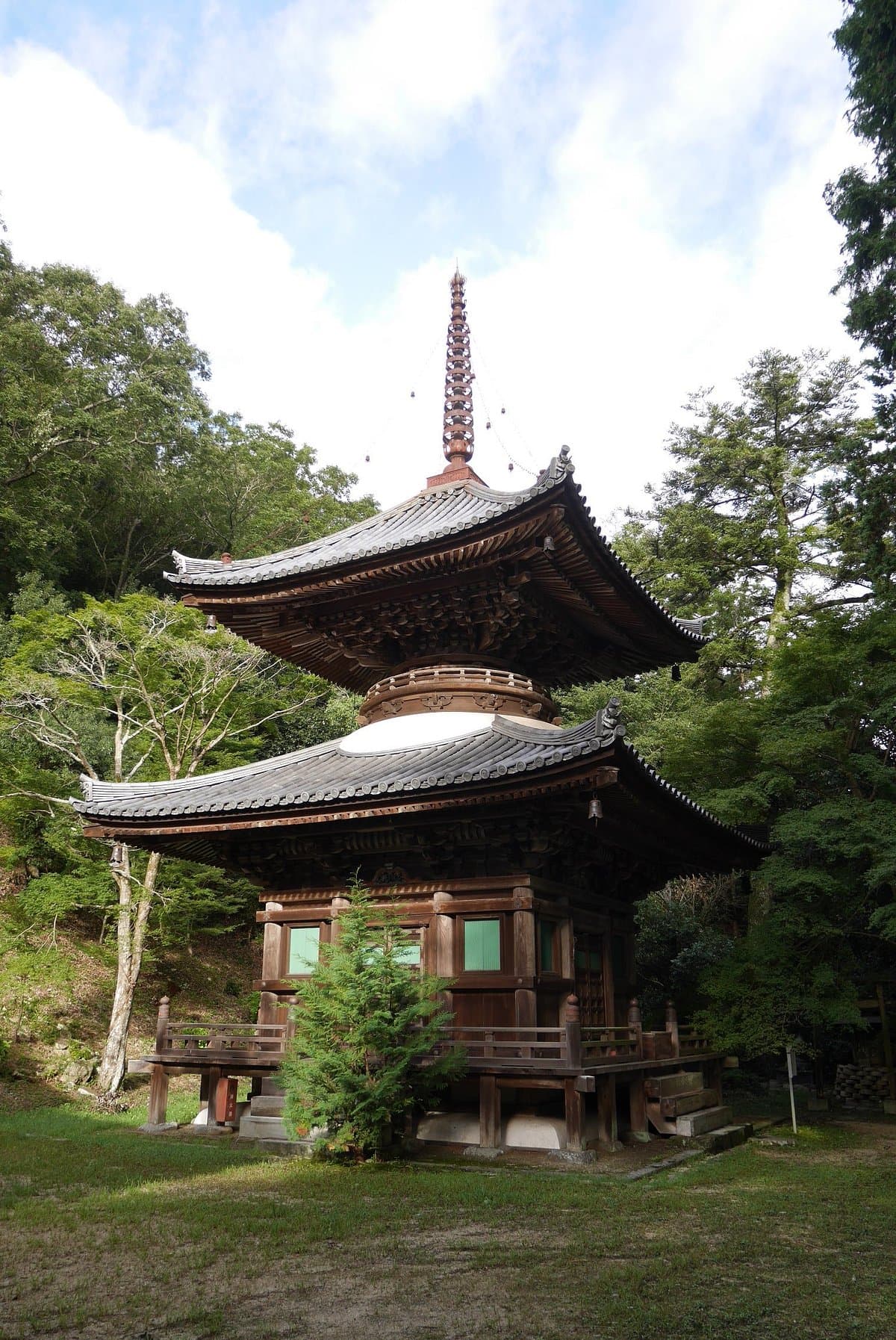
Gayain Temple is a small, traditional Buddhist temple located in Miki, Hyogo Prefecture. It serves as a local place of worship and offers a glimpse into Japanese religious architecture and practices without the crowds found at more prominent sites. Its significance lies in providing an authentic, uncommercialized temple experience for those seeking tranquility.
Visitors consistently praise the temple's peaceful and quiet atmosphere, often describing it as a hidden gem. The well-maintained grounds and traditional structures contribute to a sense of serenity. Reviewers appreciate the opportunity to experience a local temple away from major tourist routes, highlighting the calm environment as a welcome contrast to busier attractions. There are no specific warnings about the temple itself, but its remote location is a recurring theme.
To make the most of a visit, allocate about 30-60 minutes to explore the grounds. The temple is best visited during daylight hours, particularly in the morning or late afternoon for optimal light and fewer people. Since it is a place of worship, respectful attire is recommended. There are no shops or extensive facilities, so it's advisable to bring any personal necessities like water. There is no entry fee, making it an accessible option for budget-conscious travelers.
Gayain Temple is located at 410 Shijimicho Otani, Miki, Hyogo Prefecture. Due to its rural setting, public transportation options are limited. Reviewers suggest that the most convenient way to reach the temple is by car, as it offers the flexibility to navigate the local roads. Parking availability is generally not an issue given the temple's smaller scale. For those relying on public transport, researching local bus routes from Miki Station or a nearby larger city would be necessary, but direct access might be challenging.
The primary complaint or challenge associated with Gayain Temple is its remote location and difficulty of access for tourists without a car. To mitigate this, visitors should plan their transportation in advance, considering a rental car or a taxi if public transport connections are too infrequent or complex. It is not recommended for those relying solely on extensive public transport networks.