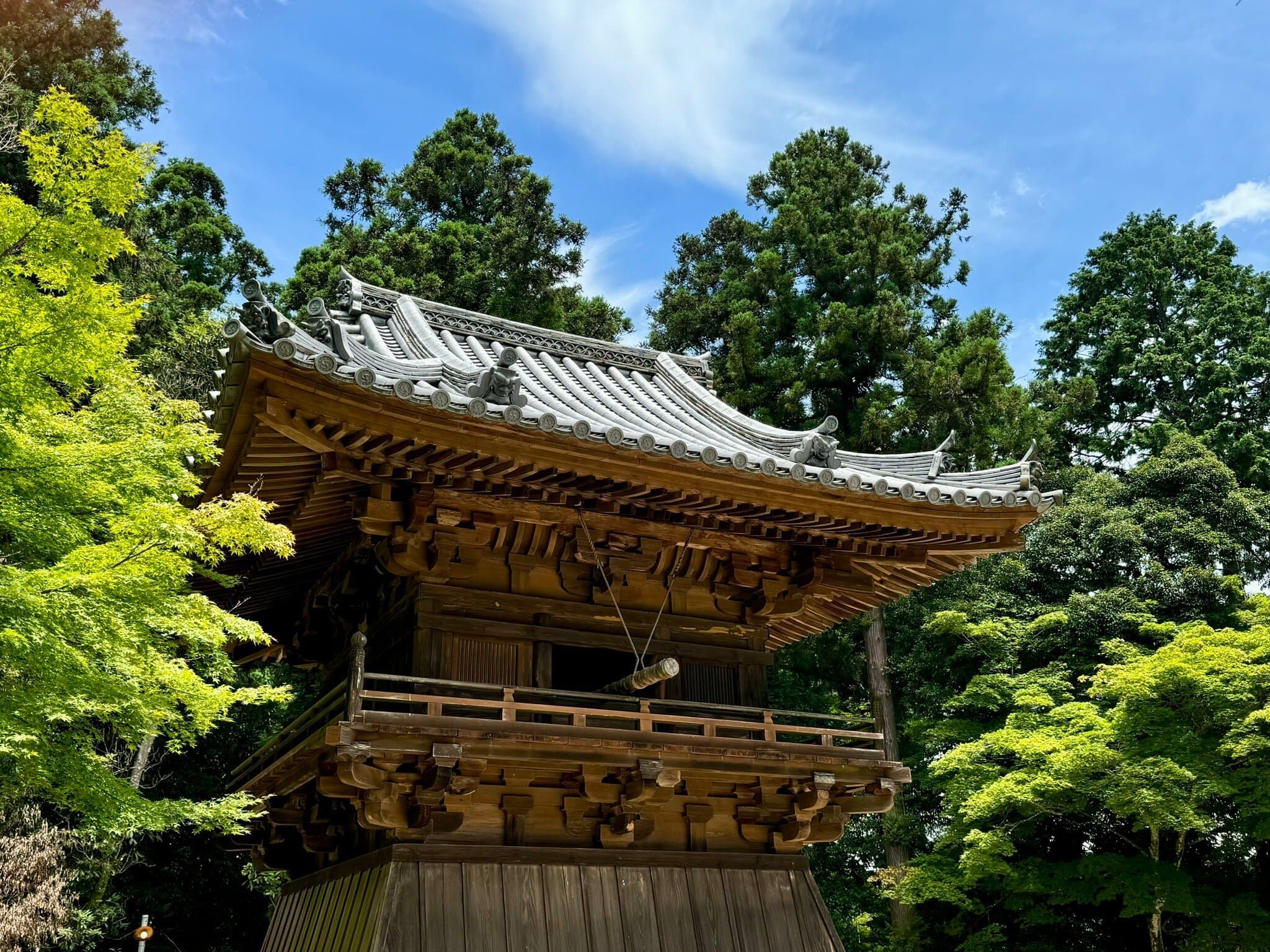
Engyōji, often referred to as the 'Mount Hiei of the West,' is a significant Tendai Buddhist temple complex with over a millennium of history, founded in 966. Its collection of ancient wooden buildings, including the impressive Maniden, Jikido, and Daikodo, are nestled within a dense cedar forest on Mount Shosha. The temple's historical importance is underscored by its designation as a national cultural property and its role in events like Toyotomi Hideyoshi's campaigns. Beyond its historical and architectural value, Engyōji is renowned for its profound sense of peace and spiritual tranquility, making it a unique destination.
Visitors consistently highlight the temple's serene atmosphere and the beauty of its natural surroundings. Many describe it as a 'magical' and 'peaceful oasis,' a stark contrast to more crowded Japanese attractions. The traditional wooden architecture, particularly the Maniden, often receives praise for its grandeur and the craftsmanship evident in its construction without nails. The fact that parts of 'The Last Samurai' were filmed here adds an extra layer of interest for many, who enjoy recognizing the iconic locations. Reviewers frequently mention the refreshing air and the calming sounds of nature, contributing to a deeply relaxing experience.
To make the most of your visit, plan to spend at least 2-3 hours exploring the complex, or even up to 5 hours if you enjoy hiking and wish to see all the sub-temples. Arriving early in the morning, especially before the ropeway starts operating or shortly after, is highly recommended by visitors seeking to experience the temple in quiet solitude. Some even suggest arriving before 8 AM to enjoy the grounds with only local hikers. Comfortable walking shoes are essential, as there is a significant amount of walking involved, often uphill. Bamboo walking sticks are often available for free near the entrance and are highly recommended for navigating the paths. Consider bringing water, especially on warmer days, as amenities within the complex are limited. While there is a bus service within the temple grounds, many reviewers suggest walking to fully appreciate the scenery and smaller statues along the paths.
Engyōji is easily accessible from Himeji Station. Take bus number 8 from the station (bus stop 10, located across from the central exit) to the Shoshazan Ropeway station. The bus ride takes approximately 25-30 minutes. A combined ticket for the bus and ropeway (round trip) can be purchased at the Shinki Bus Information Center on the first floor of the QWELL building near JR Himeji Station for around 1,400 JPY. The ropeway ride itself offers scenic views and takes about 4 minutes. Once at the top of the ropeway, you can either walk approximately 15-20 minutes uphill to the main temple area or take a shuttle bus (for an additional fee, around 1,000 JPY round trip) that runs between the ropeway station and the main temple buildings. Many visitors recommend walking at least one way to enjoy the forest and smaller shrines. If you prefer to hike all the way up, trails from the base take about 30-60 minutes and are described as well-maintained but steep.
A common complaint is the amount of walking required, especially the uphill sections after the ropeway. Some visitors, expecting a short stroll, were surprised by the extensive and sometimes steep paths between the various temple buildings. To mitigate this, ensure you wear appropriate footwear and consider the shuttle bus option if mobility is a concern. Another point of frustration for some has been the occasional closure of the ropeway for maintenance, particularly in February and early March, without clear notification on websites. Always check the ropeway's operating status before planning your trip, especially during these months, to avoid disappointment or an unexpected long hike.