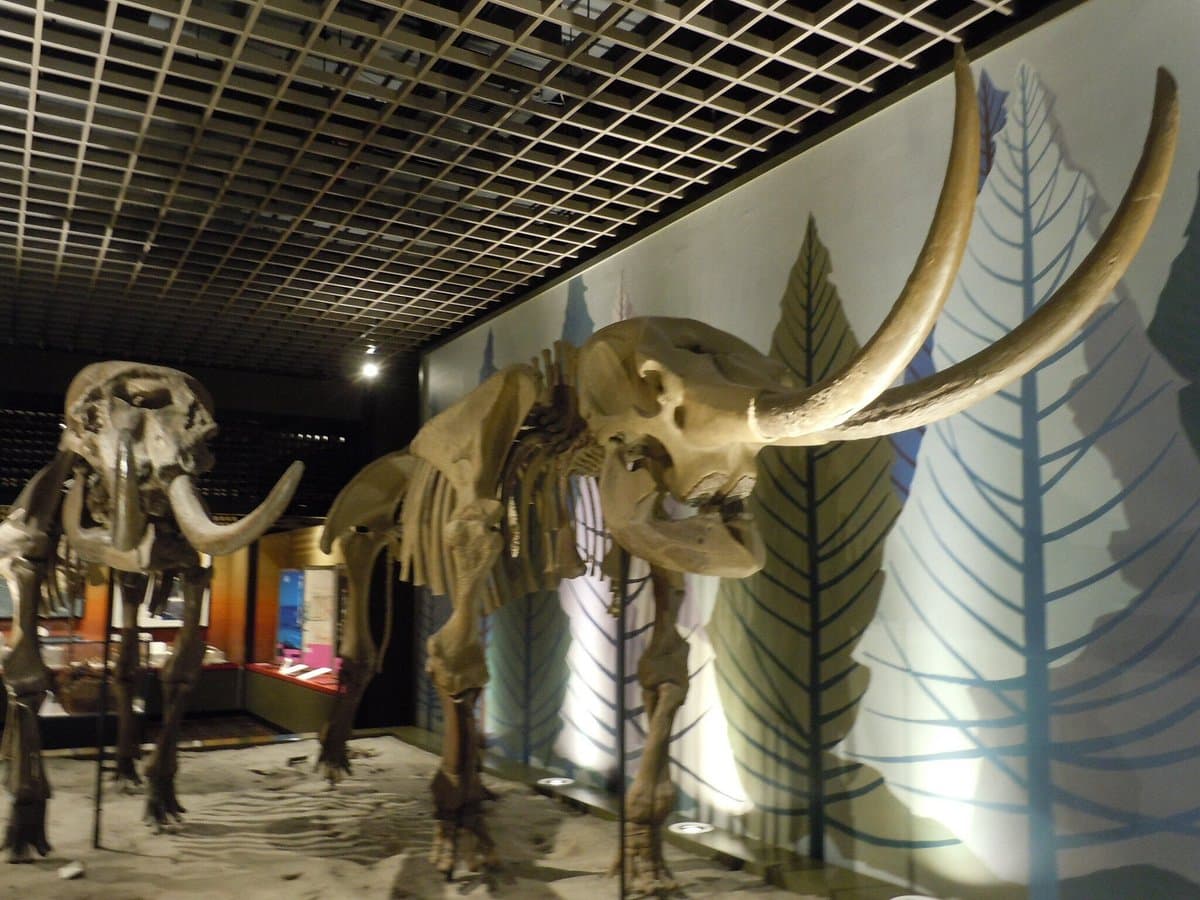
The Akashi Culture Museum serves as a repository for the historical and cultural heritage of the Akashi region. It houses a diverse collection ranging from archaeological finds to folk artifacts, providing context to the area's development over centuries. Its significance lies in preserving and showcasing unique local items, such as the futon drum used in festivals and the skeletal remains of the prehistoric Akashi elephant, which are central to understanding Akashi's distinct identity.
Visitors often highlight the museum's specialized exhibits as its main draw. The remains of the 'Akashi Man,' a significant anthropological discovery, are frequently mentioned as a key highlight, offering a rare look into ancient human history in Japan. Additionally, the museum occasionally hosts special exhibitions, such as those featuring ancient ceramics and paintings, which attract those with specific interests in art history or archaeology. Reviewers appreciate the depth of information provided for these unique artifacts.
For those planning a visit, it's advisable to check the museum's official website for current special exhibitions, as these can significantly enhance the experience. A visit typically lasts between one to two hours, allowing ample time to explore the main collections. The museum is generally quiet, offering a contemplative atmosphere. It is particularly suitable for a rainy day activity or for those seeking a deeper understanding of Akashi's local heritage beyond its more famous landmarks.
The museum is located at 2-13-1 Uenomaru, Akashi. While specific public transport details are not consistently mentioned in reviews, its central location within Akashi suggests it is accessible by local bus routes or a reasonable walk from Akashi Station. For those arriving by car, paid parking is available on-site, with reviewers noting a cost of ¥100 per hour, which is a convenient option for drivers.
A common observation is that the museum's appeal is quite specific. General tourists without a particular interest in local Japanese history or archaeology might find the exhibits less engaging than those in larger, more diverse museums. To mitigate this, visitors should manage their expectations and approach the museum as a focused cultural experience rather than a broad historical overview.