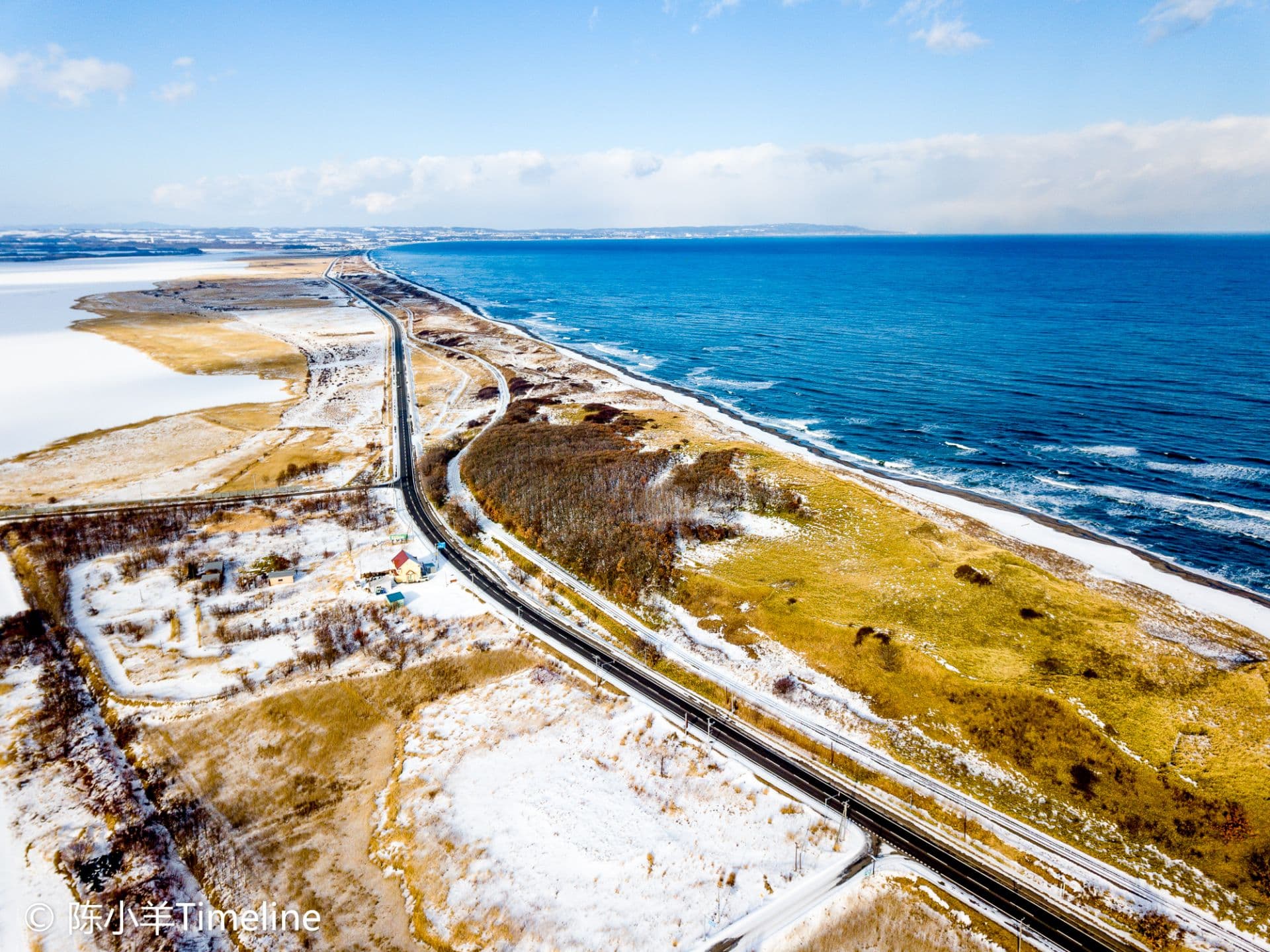
The Shiretoko Peninsula, located in Eastern Hokkaido, is a designated UNESCO World Natural Heritage site renowned for its untouched natural beauty and rich biodiversity. Often referred to as the "Kingdom of Waterfalls" and a place where the ecosystem from sea to land can be clearly observed, it offers a rare glimpse into pristine nature. Its significance lies in being one of the most intact areas of wilderness in Japan, home to rare plants and animals, and a crucial habitat for various species.
Visitors consistently praise the peninsula for its stunning natural scenery, including towering mountains, lush forests, and the dramatic coastline. Many reviewers highlight the unique experience of seeing drift ice in the Sea of Okhotsk during winter, often via boat tours. The Shiretoko Five Lakes are frequently mentioned as a beautiful and tranquil area for hiking, with some visitors noting the special appeal of winter hikes through a snow-covered landscape. The opportunity to observe wildlife, such as sea cormorants and white-tailed eagles, is also a significant draw.
To make the most of a visit, it's recommended to allocate 1-2 days. Many visitors suggest taking a boat tour to fully appreciate the coastal waterfalls, including the steaming Kamuiwaka Hot Spring Waterfall, and to spot marine wildlife. For those interested in hiking, the Shiretoko Five Lakes offer accessible trails, with a circuit around the five lakes taking approximately an hour. Reviewers indicate that both summer and winter offer distinct, beautiful experiences, with winter providing opportunities for drift ice viewing and snow hiking. It's advisable to check local conditions and tour availability, especially for winter activities.
Getting to the Shiretoko Peninsula can be time-consuming, as noted by several reviewers, due to its remote location in Eastern Hokkaido. While specific public transport details are not extensively mentioned in reviews, the presence of local convenience stores, a post office, and gas stations in what feels like a "mini fishing village" suggests that some infrastructure exists for visitors. However, given the vastness of the area and the desire to explore various natural sites, renting a car is often the most practical option for independent travel. For those relying on public transport, researching bus routes from major hubs like Abashiri or Kushiro to towns like Shari or Utoro (the main gateway to the peninsula) is essential, followed by local transport or tours.
A common complaint, or rather a challenge, is the time and effort required to reach the peninsula due to its remote location. To mitigate this, planning a multi-day trip is highly recommended, allowing sufficient time for travel and exploration without feeling rushed. Visitors should also be prepared for varying weather conditions, especially in winter, and pack appropriate clothing and gear for outdoor activities.