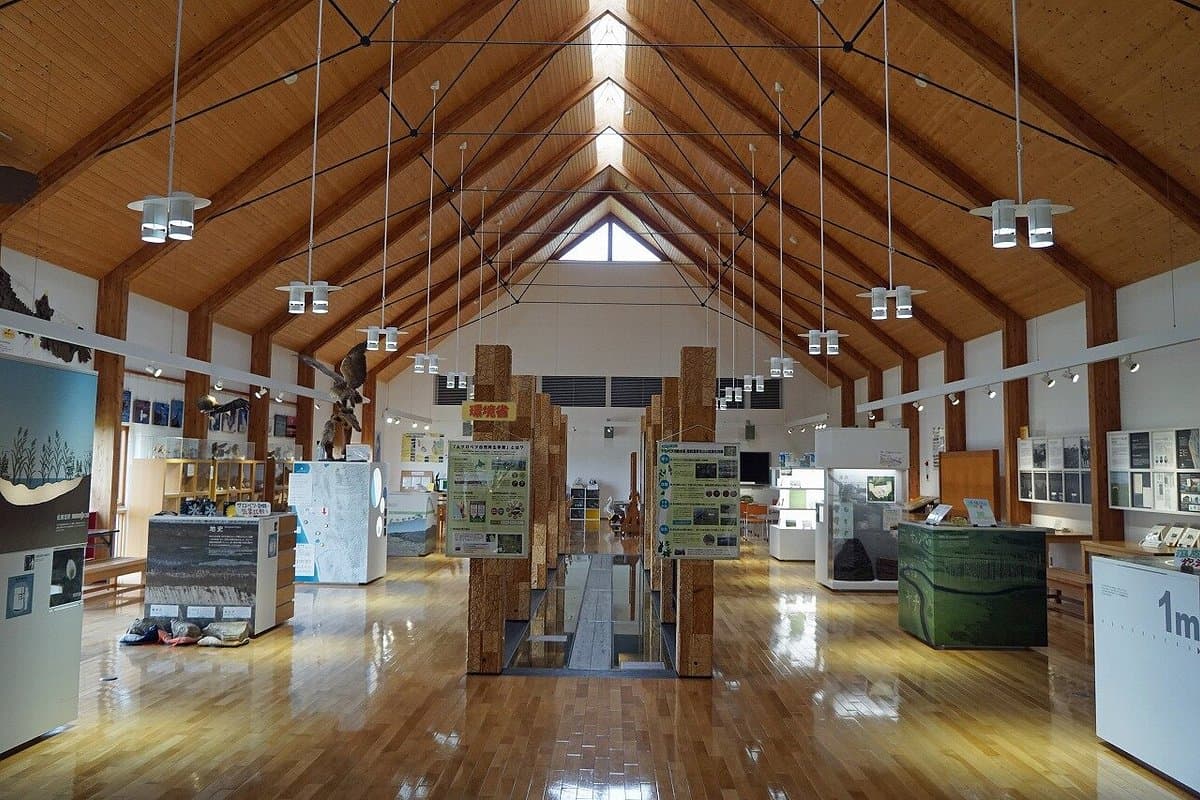
The Sarobetsu Marsh Center is an important interpretive facility within the Rishiri-Rebun-Sarobetsu National Park, specifically focusing on the Sarobetsu Genya wetlands. It provides context and information about the unique high moor ecosystem, its origins, and the wildlife that inhabits it. For visitors to this northernmost tip of Japan, the center acts as a crucial starting point for understanding the natural environment before venturing into the marsh itself.
Visitors consistently praise the center for its informative displays, which include stuffed specimens of local animals and detailed explanations of the marsh's history and ecology. Many find it more comprehensive and well-organized than other local visitor centers, noting the effort put into the exhibits and the presence of guides. The accessible boardwalks extending from the center into the marsh are a major draw, allowing for direct engagement with the natural landscape. Reviewers highlight the opportunity to walk through the Sarobetsu Genya and appreciate its unique beauty.
To make the most of a visit, it is recommended to allocate at least 1-2 hours to explore both the indoor exhibits and the outdoor boardwalks. Reviewers suggest visiting the center before exploring the wider Sarobetsu area to gain a better understanding of the region. While some visitors feel there isn't much to see, others emphasize the value of the interpretive information provided, especially for those interested in natural history and ecology. Bringing comfortable walking shoes is advisable for the boardwalks, and checking weather conditions beforehand is prudent as the marsh can be exposed.
The Sarobetsu Marsh Center is located at 8662 Kamisarobetsu, Toyotomi-cho, Hokkaido. Given its remote location within a national park, public transport options might be limited. Driving is often the most convenient way to reach the center, and parking facilities are typically available on-site. Visitors should plan their journey considering the rural setting and potential distances from major towns or train stations.
A common complaint among some visitors is that there isn't enough to see or that the marsh itself can appear somewhat desolate. To mitigate this, it's important to approach the visit with an appreciation for the subtle beauty of a high moor ecosystem and to utilize the center's educational resources to enhance understanding. Those expecting dramatic landscapes might be disappointed, but those interested in unique ecological environments will find value.