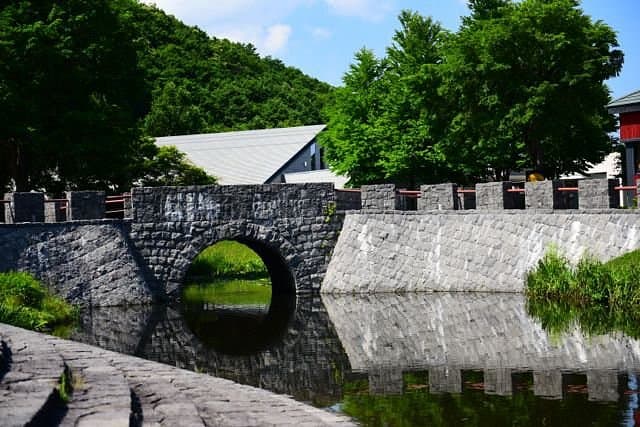
The Sapporo Art Museum is a comprehensive art facility known for its indoor galleries and, more notably, its expansive outdoor sculpture garden within the Sapporo Art Park. It serves as a significant cultural hub in Hokkaido, showcasing a diverse range of art, often with a focus on local artists and themes. The park itself is a destination, offering a blend of art and nature that many visitors find refreshing and inspiring.
Visitors frequently highlight the outdoor sculpture garden as the main draw, describing it as a beautiful, sprawling collection of contemporary Japanese and international works. Many appreciate the interactive nature of some sculptures and the opportunity to wander through lush, green landscapes. The serene and relaxing atmosphere is a recurring theme in reviews, with some suggesting it's a great place for couples or families. However, the indoor museum itself receives mixed reviews; some find it small but interesting, especially when featuring local artists like Bikki, while others are disappointed by its size and the lack of English explanations for exhibitions.
To make the most of your visit, allocate ample time for the outdoor sculpture garden, as it's where most visitors spend the majority of their time. Reviewers suggest spending at least 2-3 hours, or even half a day, to fully explore the grounds. Consider visiting during warmer months (spring to early autumn) to best enjoy the outdoor exhibits and gardens. Some visitors note that admission to the sculpture park might be free in winter, though access to certain areas may be limited due to snow. It's advisable to check the museum's official website for current exhibition details and opening hours, especially regarding English language support.
The museum is located about an hour's drive from central Sapporo. For public transportation, take the subway to Makomanai Station, then transfer to a bus that goes directly to the Sapporo Art Park. Reviewers mention a 15-20 minute bus ride from Makomanai. While a bit off the beaten path, the journey is generally considered straightforward. Driving is also an option, and parking is available on site.
A common complaint, particularly for international visitors, is the limited English information within the indoor museum. Exhibitions are often primarily in Japanese, which can diminish the experience for non-Japanese speakers. To mitigate this, focus on the visual aspects of the art or prioritize the outdoor sculpture garden, which is universally accessible and appreciated regardless of language. Some visitors also found the indoor museum to be small and, at times, uninteresting if the specific exhibition did not appeal to them. It's recommended to check the current exhibition schedule online to see if it aligns with your interests before paying for indoor museum admission.