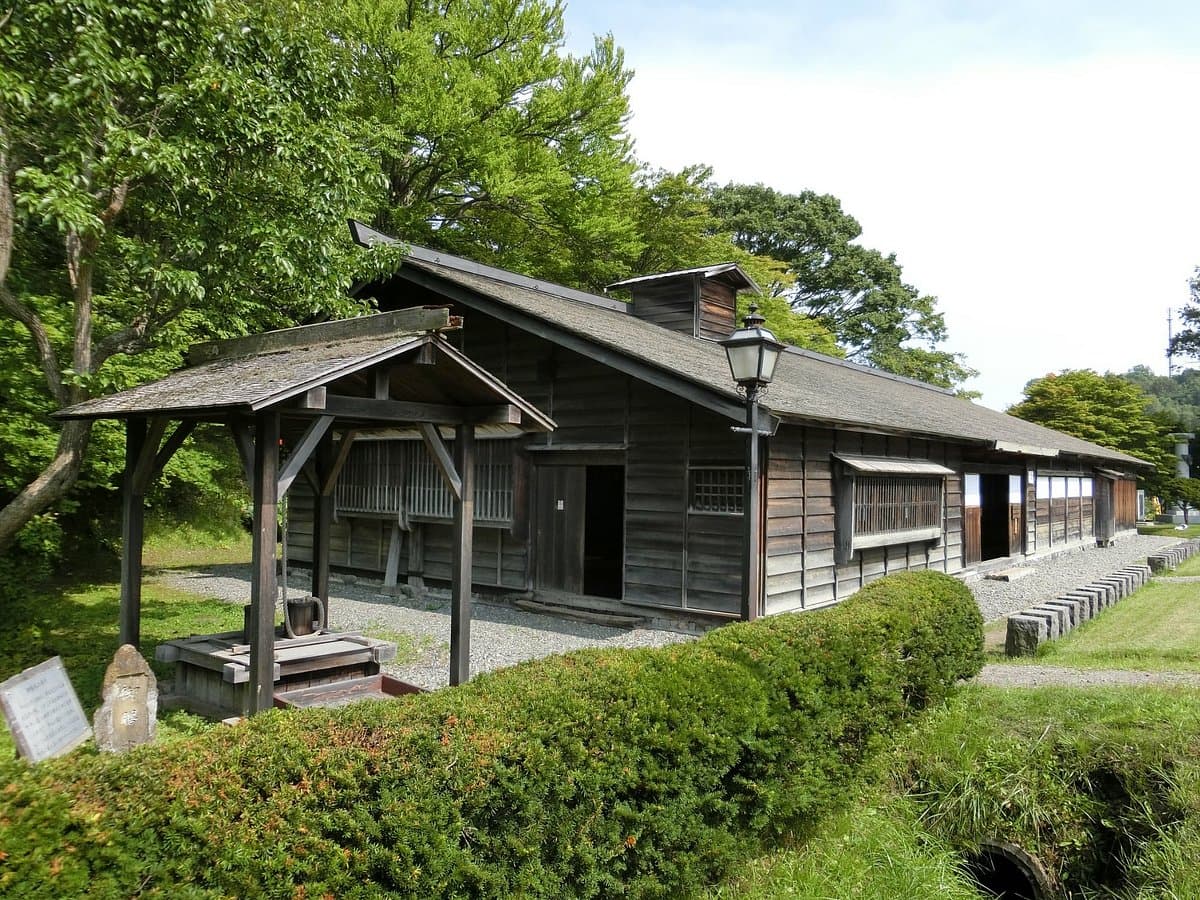
The Old Shimamatsu Communication Station is a historically significant site in Kitahiroshima, Hokkaido, recognized as the birthplace of Japan's telegraph system. It was here, in 1873, that the first telegraph line connecting Sapporo and Hakodate was established, fundamentally changing communication in Japan. The preserved building serves as a tangible link to this pivotal era, offering insights into the nation's modernization and its early steps into the global communication network.
Visitors consistently praise the station's historical importance and the well-maintained condition of the building. Many reviewers appreciate the opportunity to step back in time and imagine the early days of telegraphy. The quiet, reflective atmosphere is often highlighted, making it a pleasant stop for those interested in history and technology. While some visitors note the limited scope of exhibits, they generally find the experience informative for understanding a crucial piece of Japanese infrastructure development.
To make the most of a visit, allow about 30-60 minutes to explore the station thoroughly. It's best visited during daylight hours, and as it's a relatively small site, combining it with other local attractions in Kitahiroshima is recommended. There are no specific items to bring, but a camera might be useful for capturing the historic architecture. The site is generally accessible, though specific details on wheelchair access are not widely reviewed.
The Old Shimamatsu Communication Station is located at 1 Shimamatsu, Kitahiroshima, Hokkaido. While specific public transport routes are not frequently detailed in reviews, Kitahiroshima is accessible by train. Visitors would likely need to take a local bus or taxi from the nearest train station, or drive, as the station is somewhat off the main routes. Parking availability is not explicitly mentioned but is generally expected for such a site in a suburban area.
The primary complaint, or rather a common observation, is the relatively small size of the exhibition and the lack of extensive interactive displays. To mitigate this, visitors should approach the site with an appreciation for its historical significance rather than expecting a large, modern museum experience. Reading up on the history of Japanese telecommunications beforehand can also enhance the visit.