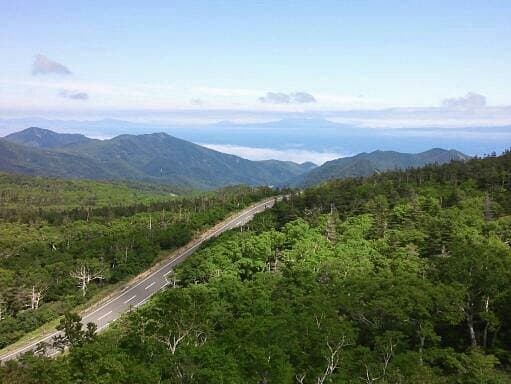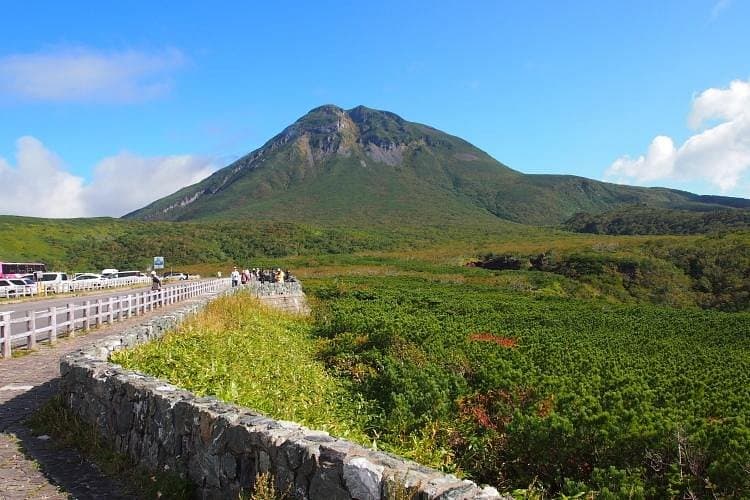
Mt. Rausu (Rausudake) is the highest peak in the Shiretoko Peninsula, a UNESCO World Heritage site, and is recognized as one of Japan's 100 famous mountains. It is a significant natural landmark, offering a pristine wilderness experience within Shiretoko National Park, known for its dramatic landscapes and abundant wildlife.
Visitors consistently praise the breathtaking views from the summit and along the Shiretoko Highway. Reviewers highlight the stunning autumn colors and the expansive ocean views, which are particularly appreciated by photographers. The challenging 8-hour hike to the summit is described as highly rewarding, with clear trails even for those who don't read Japanese. However, several hikers warn that the ridge areas are known bear territory, and encounters are possible, especially during certain seasons.
For hikers, it's recommended to allocate a full day, approximately 8 hours, for the round trip to the summit. Bring plenty of water, appropriate hiking gear, and bear bells or spray, especially if venturing into more remote sections like the 2-day loop through Io-Zan. The best time to visit for hiking is typically from late spring to early autumn to avoid heavy snow. Even for non-hikers, the observatory areas along the Shiretoko Highway offer excellent photo opportunities and panoramic views, requiring less time.
Reaching Mt. Rausu, particularly the trailhead, can be challenging without a car. Reviewers note that buses to the trailhead often start running later in the morning, making an early start for hiking difficult. The Shiretoko Nature Centre provides free maps and information. For the best views from the road, the observatory area at the top of the Shiretoko Highway pass is highly recommended, offering safe viewing for drivers.
A common complaint among those relying on public transport is the limited bus schedule, which can restrict hiking plans. To mitigate this, consider renting a car for flexibility, especially if you plan to start your hike early. Always check local visitor information centers for the latest trail conditions and bear activity reports before heading out.