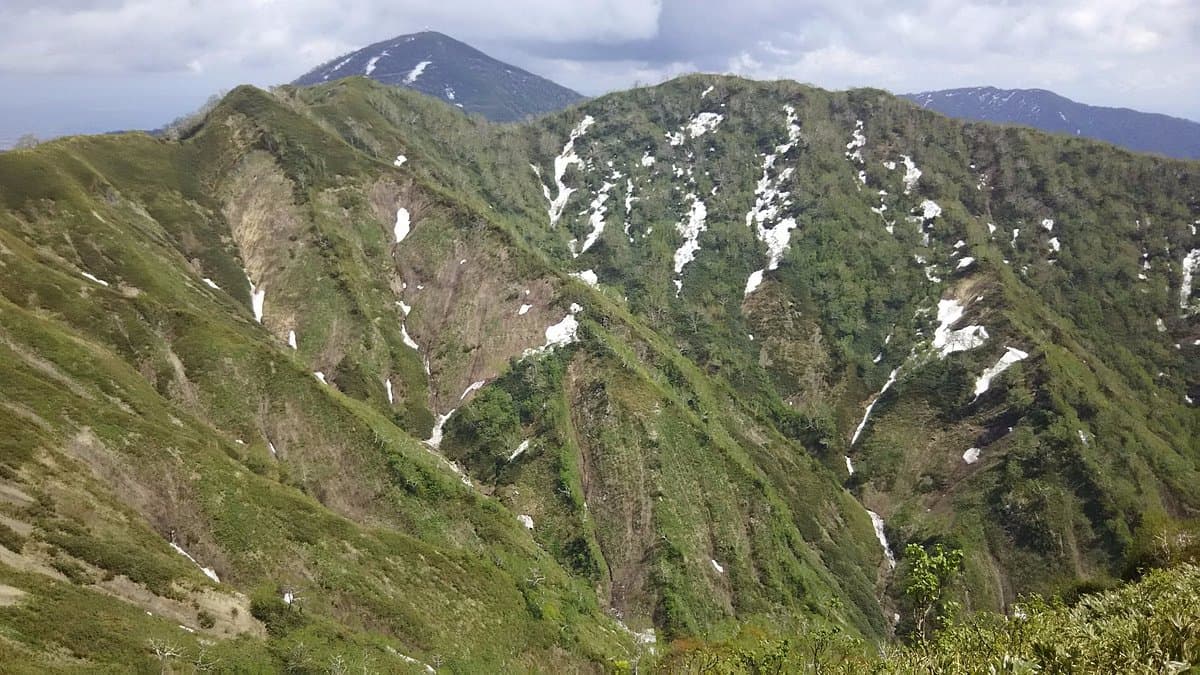
Mt. Kamuishiriyama is a mountain located in Tobetsu-cho, Hokkaido, known for its untouched natural environment and challenging hiking trails. It is not a mainstream tourist destination but rather a spot for experienced hikers and nature enthusiasts looking for a more secluded adventure away from the well-trodden paths of Hokkaido.
Visitors consistently praise the mountain's pristine natural beauty and the sense of solitude it offers. Reviewers often highlight the opportunity to experience genuine wilderness, with lush forests and the potential for wildlife sightings. However, several visitors warn that the trails can be rugged, poorly marked, and require a good level of physical fitness and preparation. The reward for the effort is often described as breathtaking panoramic views from the summit, offering a unique perspective of the surrounding Hokkaido landscape.
For those planning a visit, it is crucial to be well-prepared. Bring appropriate hiking gear, including sturdy boots, layers of clothing, and sufficient water and snacks, as there are no facilities on the mountain. A map and compass or a reliable GPS device are highly recommended, as trail markers can be sparse. The best time to visit is during the warmer months, typically from late spring to early autumn, to avoid snow and ice. Allow a full day for the hike, as the ascent and descent can be time-consuming. It is advisable to start early in the morning to ensure enough daylight.
Given its remote location in Tobetsu-cho, Hokkaido, reaching Mt. Kamuishiriyama primarily requires private transportation. Public transport options to the immediate vicinity are very limited or non-existent. Visitors typically drive to a trailhead, which may involve navigating unpaved or less-maintained roads. Parking facilities at trailheads are usually basic or informal. It is recommended to check local road conditions, especially during adverse weather, before attempting to drive to the mountain.
A common complaint among reviewers is the lack of clear signage and trail maintenance, which can make navigation challenging, especially for those unfamiliar with the area. To mitigate this, it is strongly advised to download offline maps, carry a physical map, and inform someone of your hiking plans and expected return time. Hikers should also be aware of potential encounters with wildlife, such as bears, and carry appropriate deterrents and know safety protocols.