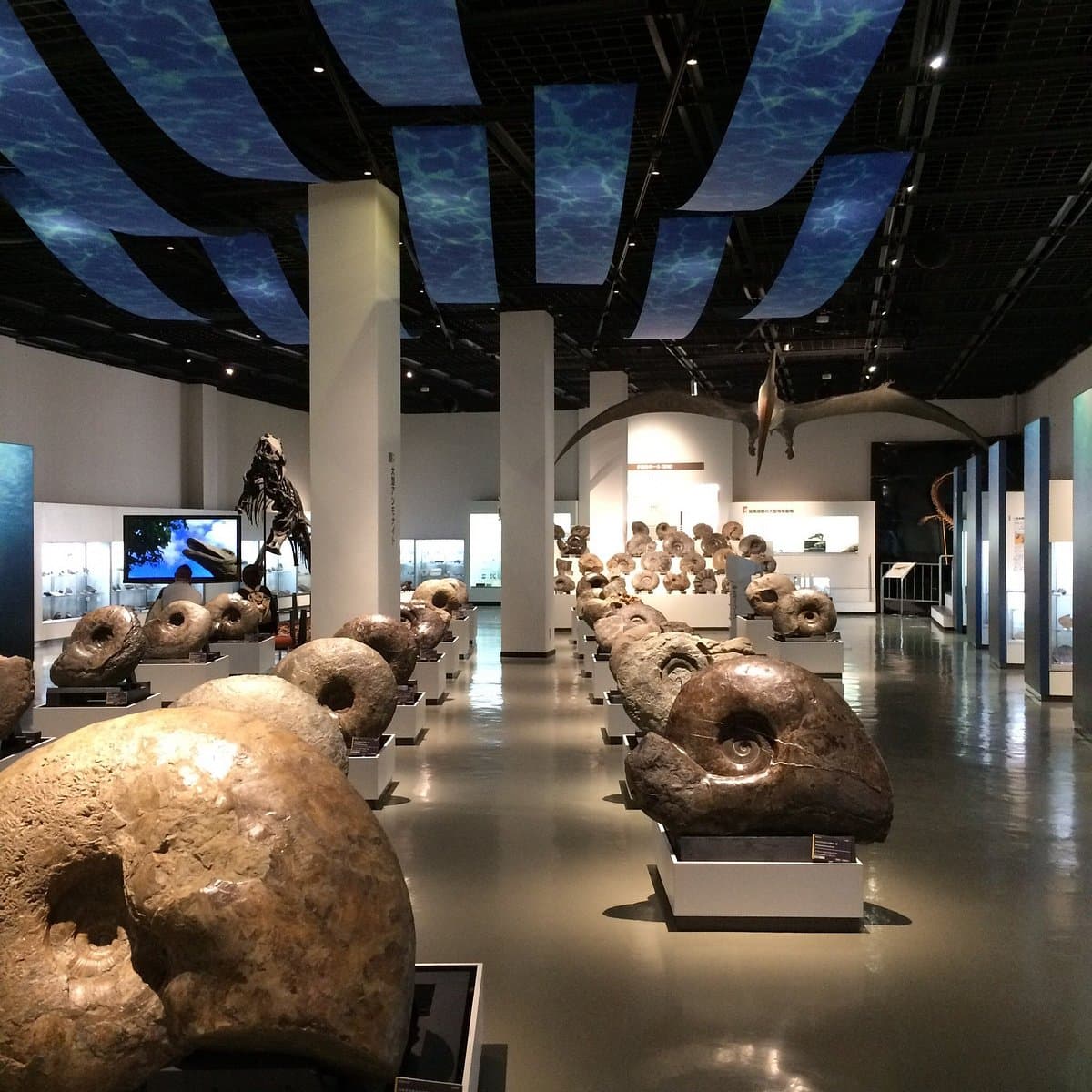
The Mikasa City Museum is a specialized institution dedicated to the geological and industrial heritage of the Mikasa region. It is particularly renowned for its exceptional collection of ammonites, which are ancient marine mollusks, and is considered by some to house the largest collection of ammonoids in Japan. Beyond its paleontological exhibits, the museum also delves into the area's history as a significant coal mining center, providing context to its industrial past.
Visitors consistently praise the museum's extensive fossil displays. Reviewers highlight the sheer number and size of the ammonites, with some describing them as "huge" and the collection as a "gold mine" for paleontologists. In addition to ammonites, the museum also features trilobites and other prehistoric animal fossils and skeletons. The exhibits are well-organized, allowing for an immersive experience for those with a keen interest in ancient life forms. The section on the town's history, particularly its coal mining heritage, offers a complementary perspective on Mikasa's development.
To make the most of a visit, allow approximately 1 to 2 hours, especially if you are a fossil enthusiast. The museum is best visited during daylight hours. There are no specific warnings about what to skip, as the museum is relatively compact and focused. It is advisable to bring a camera if you wish to photograph the exhibits, though checking specific photography policies upon arrival is recommended. Given its specialized nature, it might be less engaging for very young children or those without a particular interest in geology or paleontology.
The Mikasa City Museum is located at 1-212-1 Ikushunbetsunishikicho, Mikasa, Hokkaido. Reviewers mention finding the museum "by accident while driving," suggesting that personal vehicle is a common mode of transport for visitors to this area. Public transportation options may be limited, so planning your route in advance, ideally by car, is recommended for convenience. Parking is generally available on-site.
Common complaints are not explicitly detailed in reviews, but the specialized nature of the museum might not appeal to all visitors. To mitigate potential disinterest, ensure that your group has at least some curiosity about fossils or local history before making the trip. The museum is a niche attraction, and managing expectations regarding its scope and general appeal is key to a satisfying visit.