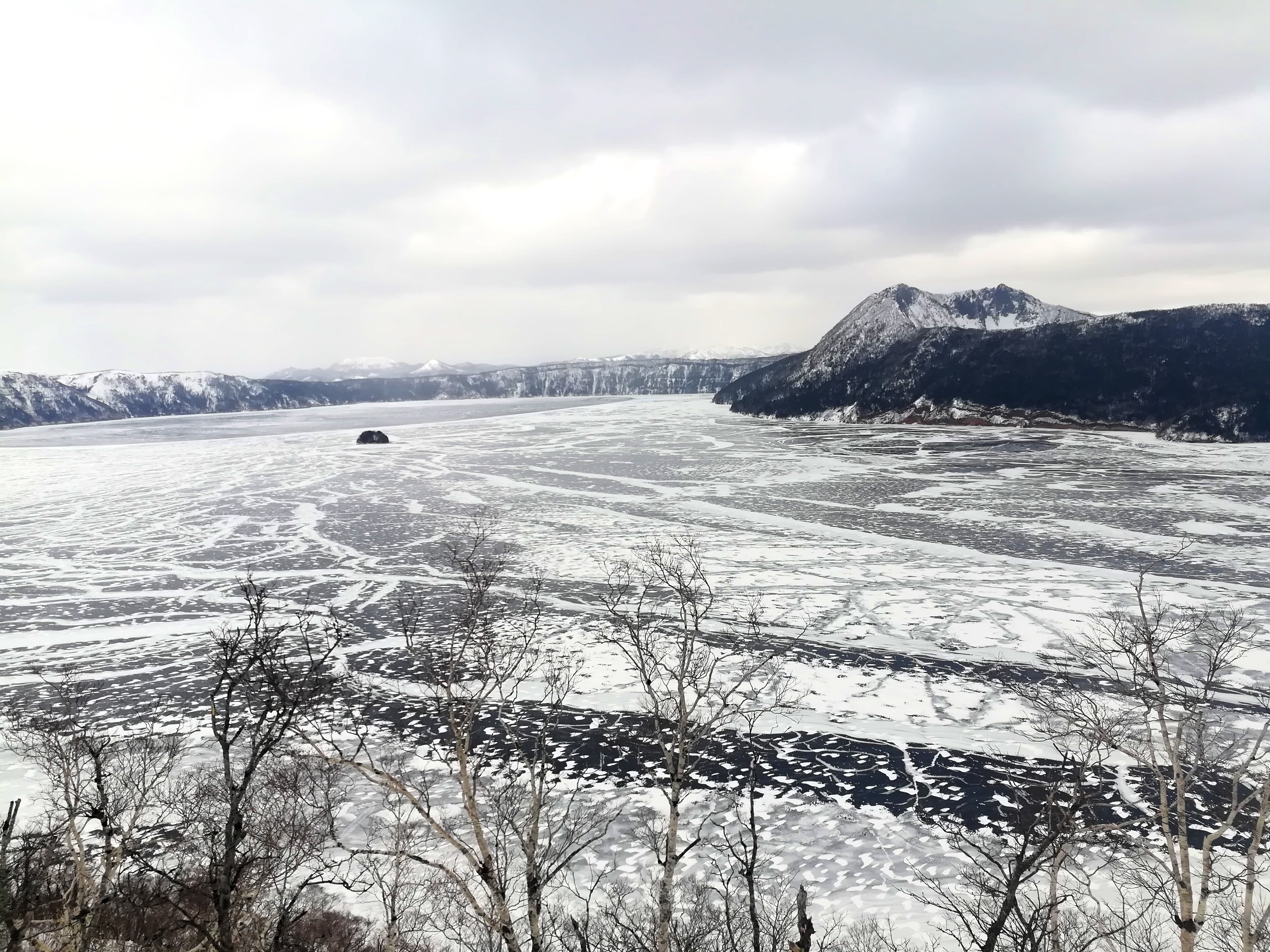
Lake Mashu, known as "Kamui-to" (Lake of the Gods) in the Ainu language, is a caldera lake renowned for its exceptional clarity and mysterious, often fog-shrouded beauty. Observatory No.1 is one of the primary viewpoints, offering expansive views of the lake and its surrounding volcanic landscape. It's a significant natural landmark within the Akan Mashu National Park, attracting those seeking pristine natural scenery.
Visitors consistently praise the breathtaking views, especially on clear days when the lake's deep blue color is vividly apparent. Many describe the lake as "spectacular," "serene," and "one of the most beautiful lakes in Japan." The sense of untouched nature and the dramatic caldera formation are frequently highlighted. However, a recurring theme in reviews is the lake's notorious fog. Numerous visitors report seeing nothing but mist, even after multiple attempts. Those who experience clear views often consider themselves "lucky" or "blessed." The presence of a well-maintained souvenir shop and clean restrooms at the observatory is also a positive point for many.
To maximize your chances of a clear view, check the weather forecast diligently before visiting; early mornings or late afternoons are often suggested for potentially clearer skies and beautiful light for photography. Many recommend visiting in October for good visibility and autumn colors, or early May for clear skies and fewer crowds. The observatory is particularly popular for sunrise and sunset views. Allow at least 30 minutes to an hour to take in the views and browse the gift shop. Dress warmly, even in spring or autumn, as it can be windy and cold at the elevated viewpoint. Bringing a good camera is essential for capturing the scenic landscapes.
Lake Mashu Observatory No.1 is best accessed by car, as public transport options are limited. Reviewers frequently mention self-driving as the most convenient way to reach the observatories. The road to the observatory is generally well-maintained, even in winter, with snow cleared. Parking at Observatory No.1 costs 500 JPY, but this ticket is often valid for free parking at Mount Io (Iozan) as well, making it a good value if you plan to visit both. Some visitors mention using the "White Pirika" winter sightseeing bus, which offers guided tours to the lake. While there are multiple observatories (No.1 and No.3 being the most popular), visitors note that the views are similar, though No.3 offers free parking and can be less crowded.
The primary complaint is the frequent fog, which can completely obscure the lake. To mitigate this, check multiple weather forecasts, consider visiting at different times of day if possible, and manage expectations that a clear view is not guaranteed. Some visitors suggest that even a misty view can be atmospheric and beautiful in its own way. If visibility is poor, the souvenir shop offers photos of the lake on clear days and a chance to purchase local goods.