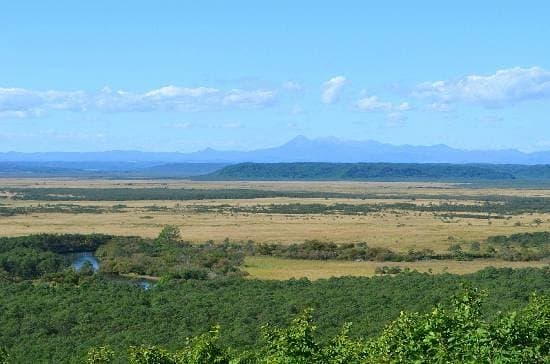
Kushiroshitsugen National Park is Japan's largest wetland, a vast and ecologically significant area that preserves a unique natural landscape. It's a crucial habitat for various wildlife, including the endangered Japanese crane, and offers visitors a chance to experience untouched nature.
Visitors consistently praise the park for its opportunities to observe wildlife, with many reporting sightings of wild birds, deer, and foxes, sometimes at close distances. The scenic train ride through the wetlands is also a highlight for many, offering panoramic views of the Kushiro River and the marshland. Some reviewers enjoyed canoeing as an immersive way to experience the park. However, some visitors have expressed disappointment, finding the views less spectacular than anticipated or encountering unhelpful staff at visitor centers. The sheer size of the marsh means that exploring various viewpoints requires significant time and planning.
To make the most of your visit, allocate a full day to explore the park, especially if you wish to see it from multiple viewpoints or engage in activities like canoeing. Bringing binoculars is highly recommended for birdwatching. Be prepared for unpredictable weather; several visitors mention rain, so waterproof gear is advisable. Consider visiting during drier seasons for a more comfortable experience. If taking the scenic train, check schedules in advance as trains are infrequent. Some visitors enjoyed specialty items like homemade yogurt and soft-serve ice cream available at visitor centers, or unique desserts sold on the train.
The park is accessible by train from JR Kushiro Station, with a journey of approximately 20 minutes to the Kushiro Shitsugen small train platform. It is crucial to check the train departure schedule as services are limited. For those driving, the park is extensive, and a car allows for greater flexibility to visit various viewpoints and visitor centers spread across the marshland. Parking is generally available at these centers.
A common complaint revolves around the perceived lack of dramatic scenery or the difficulty in fully appreciating the vastness without a car. To mitigate this, research specific viewpoints or activities (like canoeing or the scenic train) that align with your interests before your visit. Managing expectations regarding the scale and type of natural beauty can also enhance the experience. Some visitors also reported negative interactions with staff; if this occurs, consider seeking assistance from another staff member or a different visitor center.