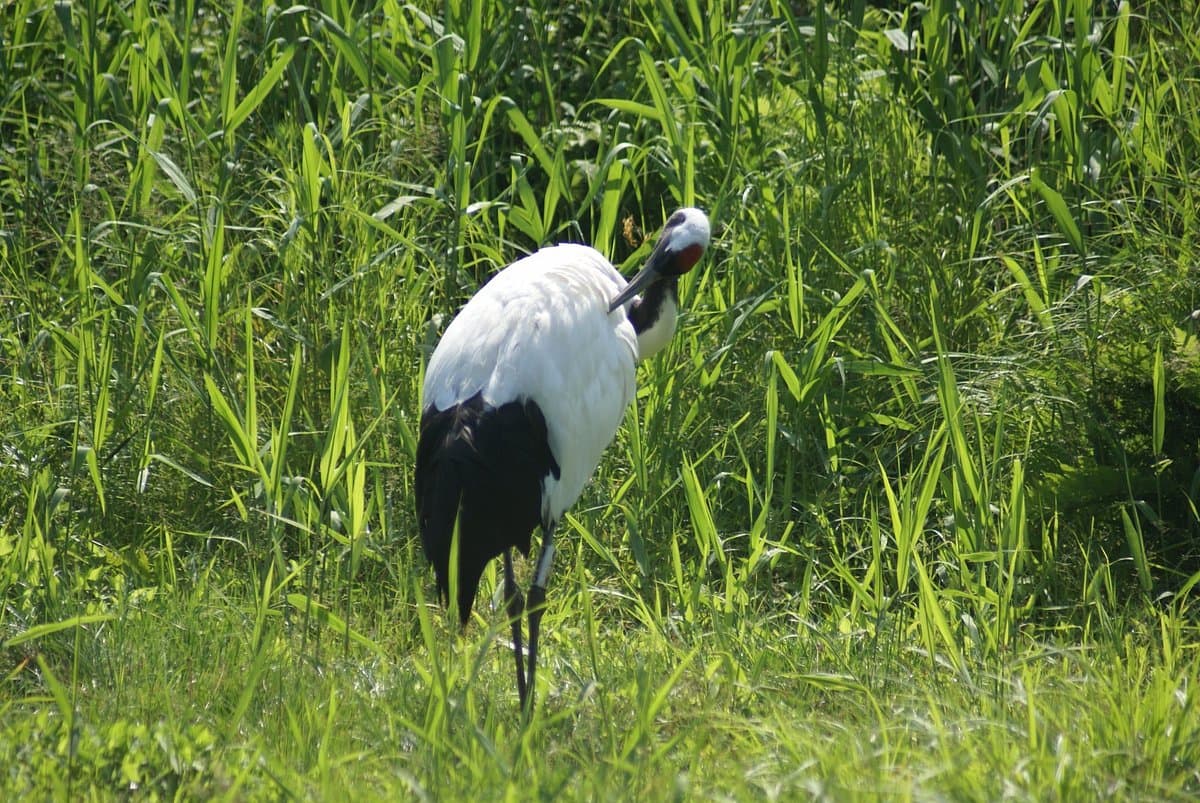
The Kushiro City Tanchozuru Nature Park is a dedicated conservation facility focused on protecting and propagating the Japanese Red-crowned Crane (Tancho), a species revered as a special natural monument in Japan. Established in 1958, the park plays a crucial role in the survival of these magnificent birds, offering visitors a rare chance to see them up close in a semi-natural habitat.
Visitors consistently praise the guaranteed sightings of the cranes, a significant advantage over trying to spot them in the wild, especially during off-season months like summer. Many appreciate the large enclosures, which allow the cranes to exhibit natural behaviors, including breeding and caring for their young. The presence of chicks is a frequent highlight for many. Reviewers also note the educational value, with an information center providing insights into the cranes' lives. Photographers particularly value the strategically placed 'camera holes' in the fencing, which allow for unobstructed shots without wire mesh.
To make the most of your visit, aim to arrive early, ideally around opening time (9 AM), as cranes are often most active then, and there are fewer tourists. Some visitors suggest timing your visit with feeding times, typically around 9:30-9:45 AM, for increased activity. The park can be explored within an hour, making it a good stop if you're short on time. While the best time to see courtship rituals is in late winter, the park offers year-round viewing. Consider bringing a zoom lens for photography, even with the camera holes. The small museum is worth a quick look for educational context.
The park is located about 30 minutes from Kushiro city center and approximately 3 km from Kushiro Airport. Public transport is available via bus number 30 from Kushiro Bus Terminal, though reviewers warn that bus schedules can be infrequent, with some mentioning only three buses a day. It is advisable to check the bus times carefully or consider hiring a car or taxi, especially if you are on a tight schedule or traveling with a group. A taxi from the cruise dock, shared among four people, was noted as a cost-effective option by one visitor. Driving allows for more flexibility and the possibility of exploring other crane viewing spots in the area.
A common complaint among some visitors is the presence of fencing, which can detract from the feeling of a 'wild' experience. However, the park's primary purpose is conservation, and the enclosures are designed to protect the endangered birds. The camera holes are an effective mitigation for photographers. Some also find the number of cranes (around 10-15 adults plus chicks) to be fewer than expected, but this is typical for a specialized breeding and protection facility rather than a large zoo.