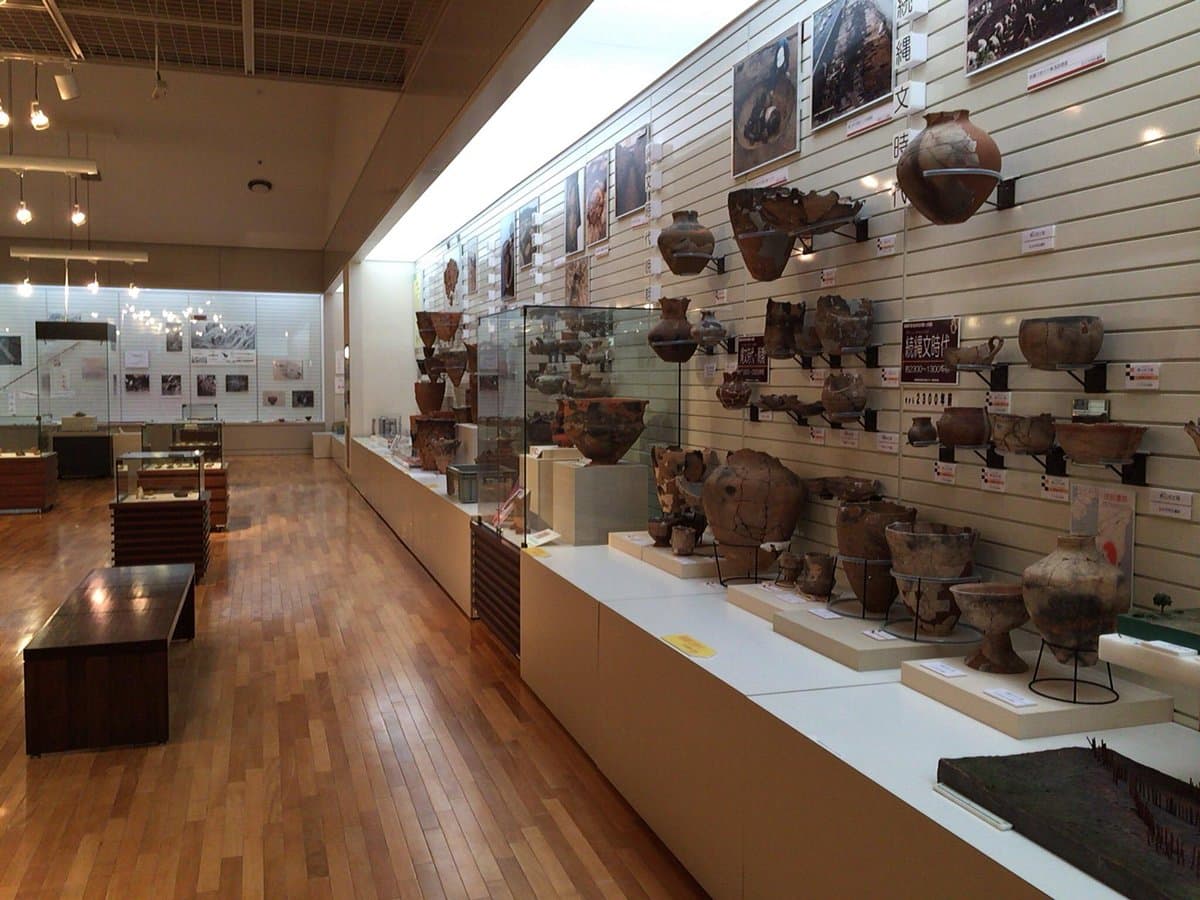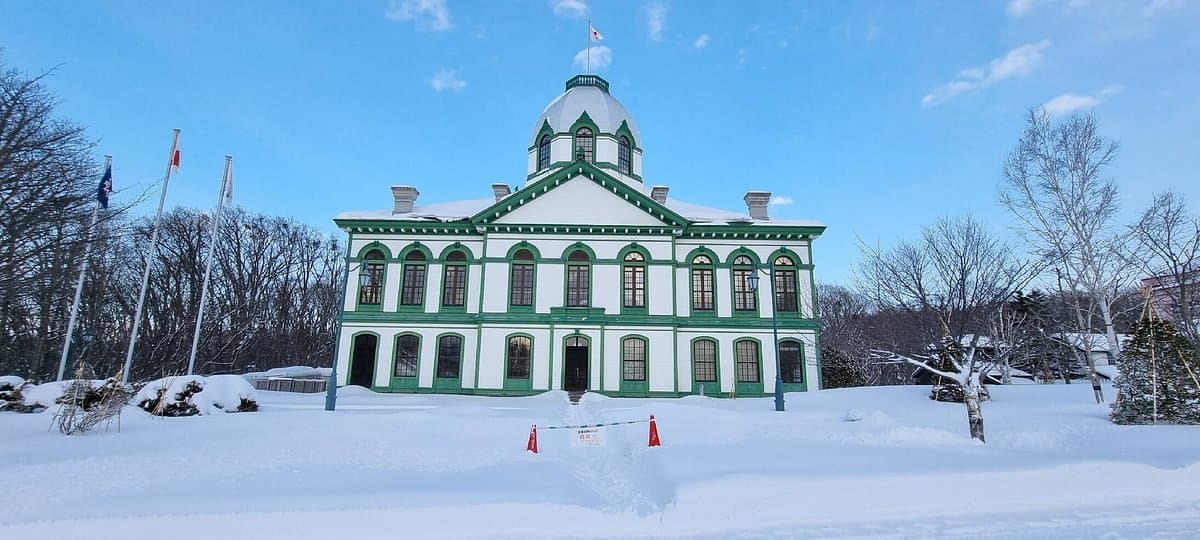
The Historical Village of Hokkaido, known locally as Kaitaku-no Mura, is an open-air museum established in 1967. It serves as a vital repository of Hokkaido's history, preserving and showcasing over 50 buildings from the Meiji and Taisho periods (1868-1926). These structures, many over a century old, have been relocated from various parts of Hokkaido to recreate a 'pioneer village,' offering a tangible connection to the region's development and the lives of its early settlers. The village is divided into four distinct areas: a town, a fishing village, a farming village, and a mountain village, each illustrating different facets of historical life.
Visitors consistently praise the village for its extensive collection of historical buildings, many of which can be entered and explored, providing an immersive experience. Reviewers frequently highlight the opportunity to see furnished interiors and historical exhibits, noting that the attention to detail helps bring the past to life. The presence of volunteer guides who offer explanations in Japanese and sometimes English is also highly appreciated, with many visitors stating that these guides significantly enhance their understanding and enjoyment. The horse-drawn railway, which operates in both summer and winter (as a sleigh), is a popular feature, adding to the historical ambiance. However, some visitors mention that while the buildings are impressive, the lack of active demonstrations or live actors, compared to some European open-air museums, can make the experience feel a bit static or like a "ghost town" to some.
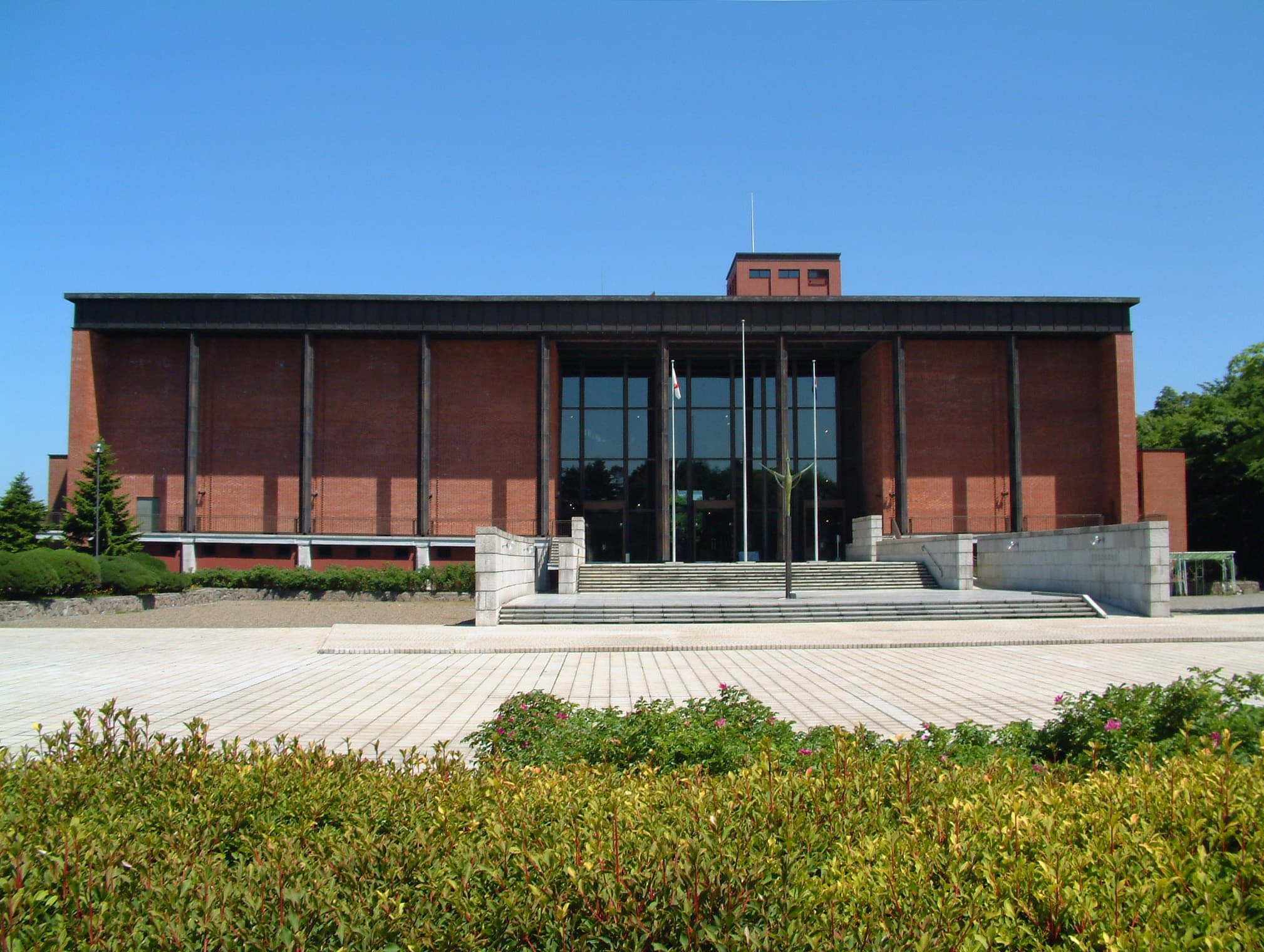
To make the most of your visit, wear comfortable walking shoes, as the village is expansive, covering about 54 hectares, and requires a significant amount of walking. Many buildings require visitors to remove their shoes before entering, so slip-on shoes or shoe covers are recommended, especially in colder weather. Several reviewers suggest allocating at least 2-3 hours, with some recommending a half-day or even longer to fully explore all 50+ buildings. Visiting during autumn is particularly recommended for the beautiful fall foliage, which enhances the scenic beauty of the historical buildings. Seniors (65 and older) often receive free admission, so bringing identification is advisable. Consider purchasing a combo ticket with the adjacent Hokkaido Museum to save money.
The Historical Village is located in Atsubetsu Ward, on the outskirts of Sapporo. To get there, take the JR train to Shin-Sapporo Station. From Shin-Sapporo Station, take a local bus (many reviewers mention specific bus lines, though it's best to confirm current routes) directly to the village. The bus journey is relatively short. Driving is also an option, with free parking available on-site. Some visitors mention taking a taxi from Shin-Sapporo Station, which is a convenient but more expensive alternative. The journey from central Sapporo (Sapporo Station) requires a transfer at Shin-Sapporo Station, so be mindful of the distinction between the two stations.
A common complaint among some visitors is the occasional lack of English information, particularly on maps or detailed explanations within some buildings. To mitigate this, consider downloading information beforehand or utilizing the free English-speaking volunteer guides if available. Another point raised is the potential for the village to feel deserted, especially during off-peak seasons or rainy days, which can detract from the immersive experience. Some buildings may also be closed for renovation, which can be disappointing. Be prepared for varying weather conditions; insect repellent is recommended in warmer months, and appropriate warm clothing and footwear are essential during winter visits, as the outdoor nature of the museum means exposure to the elements.