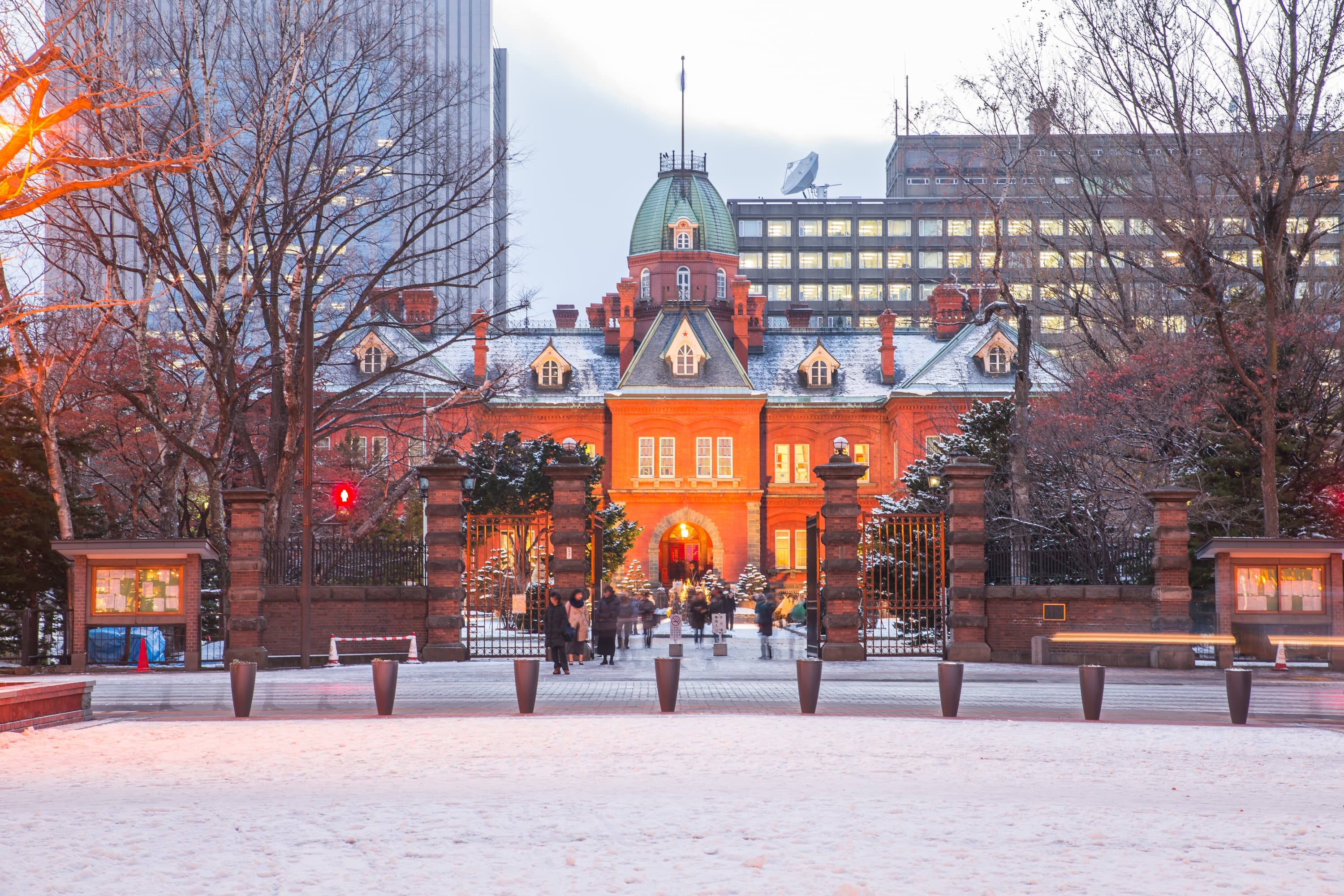
The Botanic Garden Hokkaido University, established in 1886, is the second oldest botanical garden in Japan and a significant green lung in central Sapporo. It serves as both a research facility and a public park, showcasing a wide array of plants from colder regions, a greenhouse with tropical species, and several historical buildings. Beyond its botanical offerings, the garden is notable for housing two small but highly regarded museums: the Northern Peoples' Museum, which provides an introduction to the indigenous Ainu culture, and a Natural History Museum.
Visitors consistently praise the garden for its peaceful and relaxing atmosphere, describing it as a "shangri-la of forest cover" and a "lovely calm spot in the middle of the city." Many find the small Ainu museum to be a particular highlight, offering valuable cultural insights with some English explanations. The diverse plant collections, including a rose garden (best viewed in summer), a Canadian rock garden, and various trees and shrubs, are appreciated by those interested in botany. The presence of historical buildings and the opportunity for a leisurely stroll are also frequently mentioned as positive aspects.
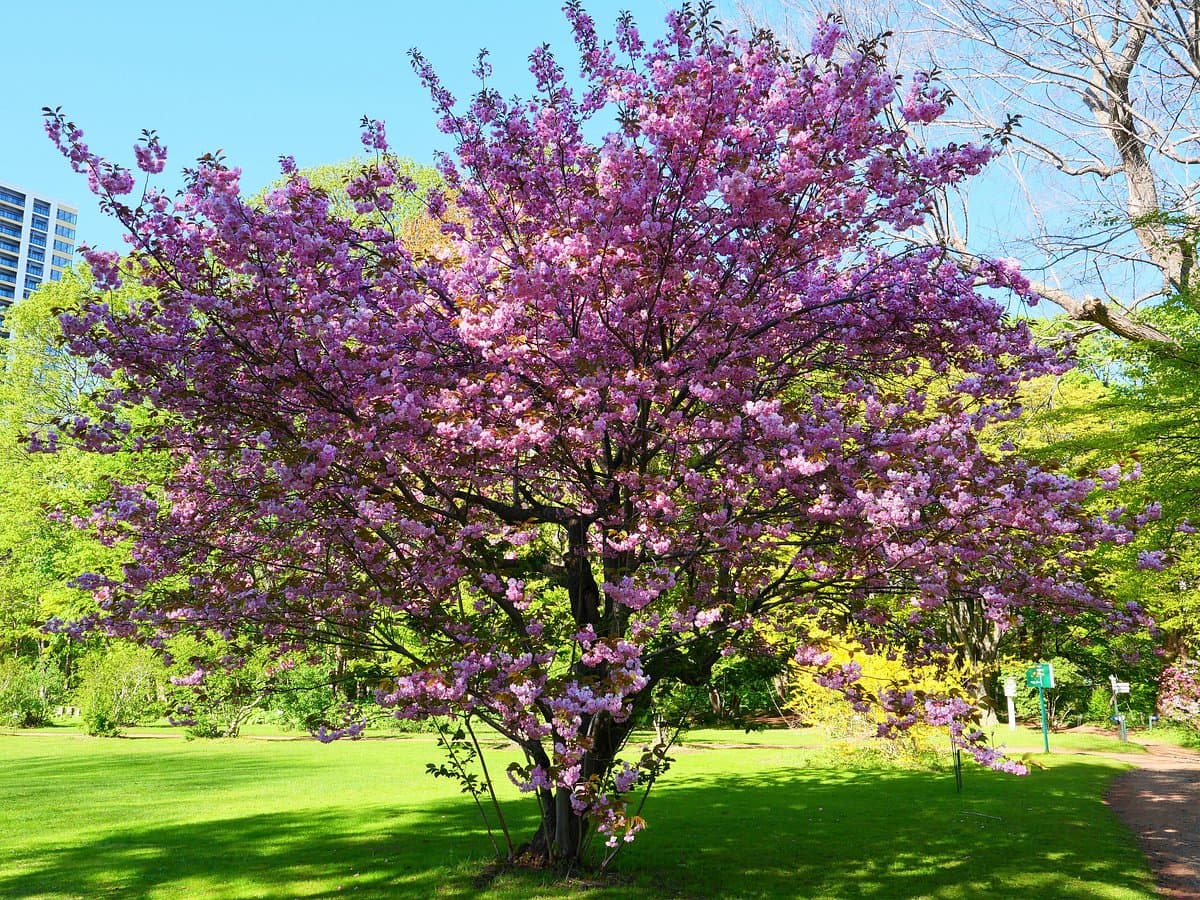
For a rewarding visit, aim to spend 2-3 hours exploring the gardens and museums. The best times to visit are late spring (May, for cherry blossoms and lilacs) and summer (June-August, for roses and lush greenery), when the gardens are in full bloom. Early autumn can also offer pleasant foliage. Several reviewers recommend bringing mosquito repellent, especially during summer months, as the natural setting can attract insects. While the garden is generally well-maintained, some visitors note that certain areas, like the rose garden, might appear less manicured at specific times. The entry fee is 420 JPY, which many consider reasonable for the experience.
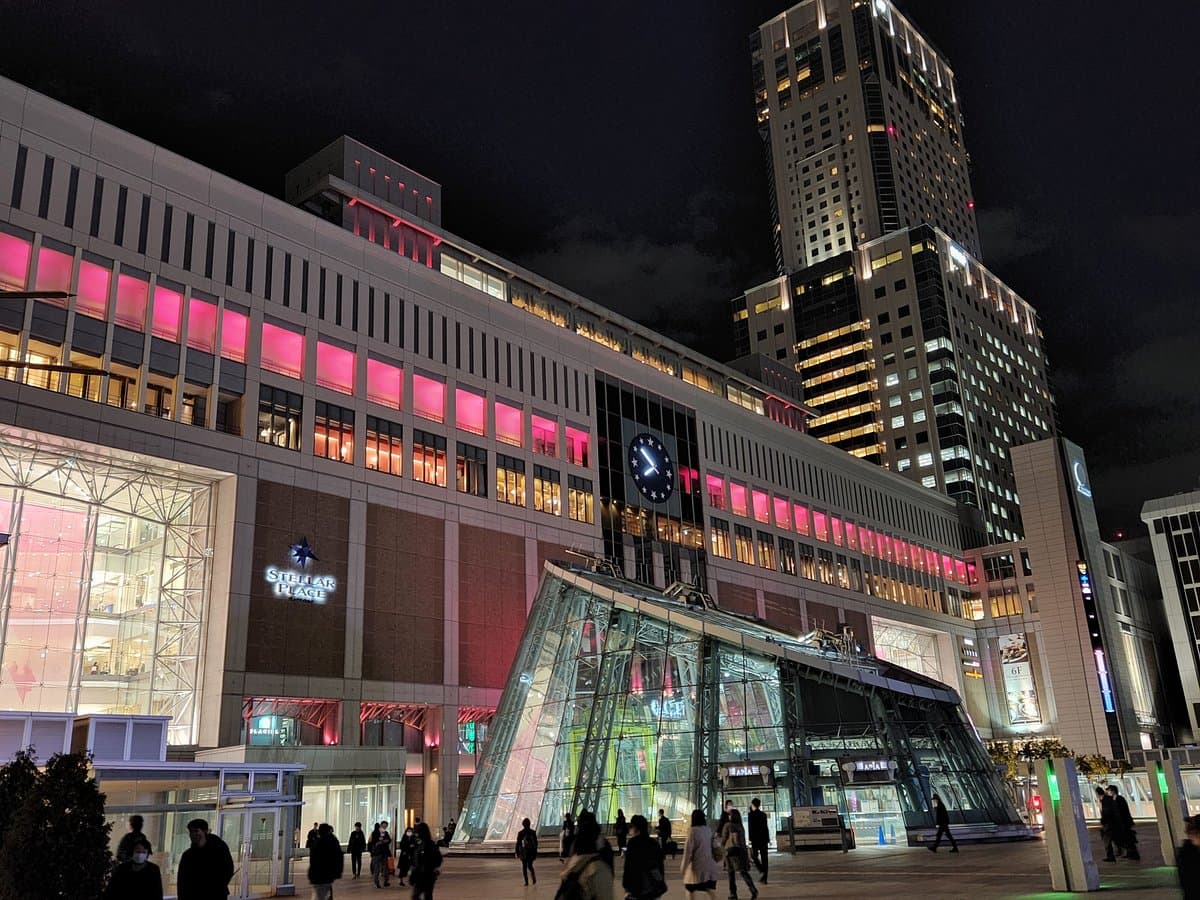
The Botanic Garden is conveniently located about a 10-minute walk from Sapporo Station, making it easily accessible on foot. Upon arrival, tickets can be purchased at a machine on the left side of the entrance. Public transport options like the Sapporo Subway are also readily available, with Odori Station being a short walk away. For those driving, parking information is not prominently mentioned in reviews, suggesting public transport or walking is the preferred method of access.
A common complaint among visitors is that the garden can appear "unkempt" or "overgrown" outside of peak blooming seasons, particularly in October or during winter months when much of the outdoor garden is closed or dormant. Some also found the museums' explanations to be primarily in Japanese, though the Ainu museum does offer some English. To mitigate disappointment, check the blooming schedule before your visit and manage expectations regarding formal garden aesthetics. If visiting in winter, be aware that only the tropical greenhouse might be open, and its condition has received mixed reviews during this period.