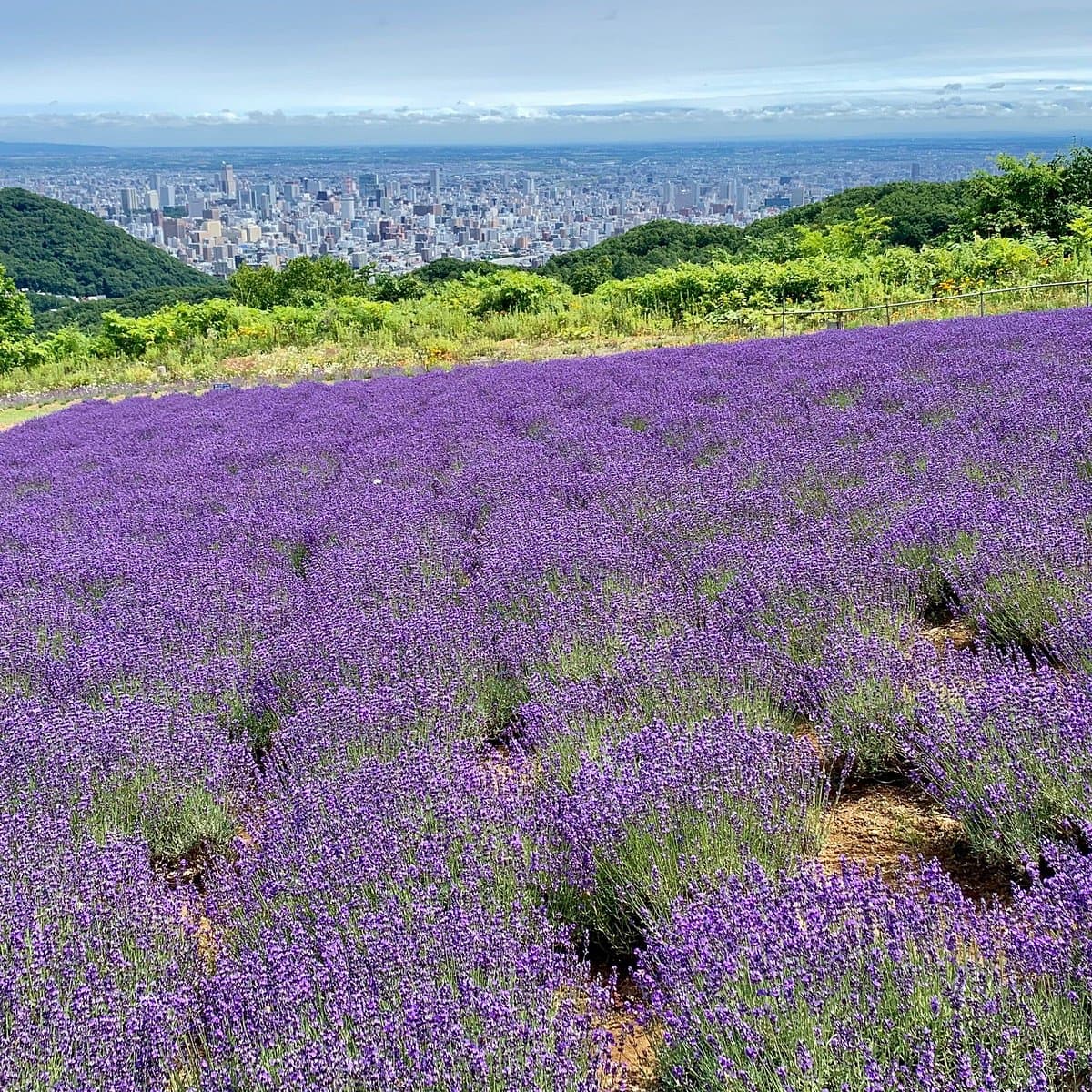
Asahiyama Kinen Koen is a scenic park situated on a hill overlooking Sapporo, offering panoramic views of the city. It's particularly renowned for its night views, which many visitors describe as romantic and spectacular. The park serves as a tranquil escape from the urban bustle, providing a natural setting for relaxation and enjoying the cityscape.
Visitors consistently praise the stunning views, especially after dark, with many recommending a night visit for the best experience. The presence of a fountain adds to the aesthetic appeal, providing a pleasant foreground for photographs. Families with young children appreciate the park as a place for kids to play, and some reviewers mention enjoying ice cream available on-site. The park's peaceful ambiance is frequently highlighted, making it a favored spot for locals seeking a quiet evening out.
To make the most of your visit, consider going after dinner to experience the acclaimed night views. While the park is free to enter, access can be challenging without a car, especially during winter. Reviewers suggest spending about an hour to fully appreciate the views and the park's atmosphere. During colder months, be prepared for snow-covered paths; some areas might be inaccessible, and it can be quite chilly. Dress warmly if visiting in winter.
The park is located in 4chome Sakaigawa, Chuo-Ku, on the outskirts of downtown Sapporo. Several reviewers emphasize the need for a car to reach the park, particularly because it is situated on top of Asahiyama. Public transport options are not widely mentioned in reviews, suggesting driving or taking a taxi might be the most convenient way to get there. There is no specific information about parking availability, but the recommendation to drive implies that parking is likely accessible.
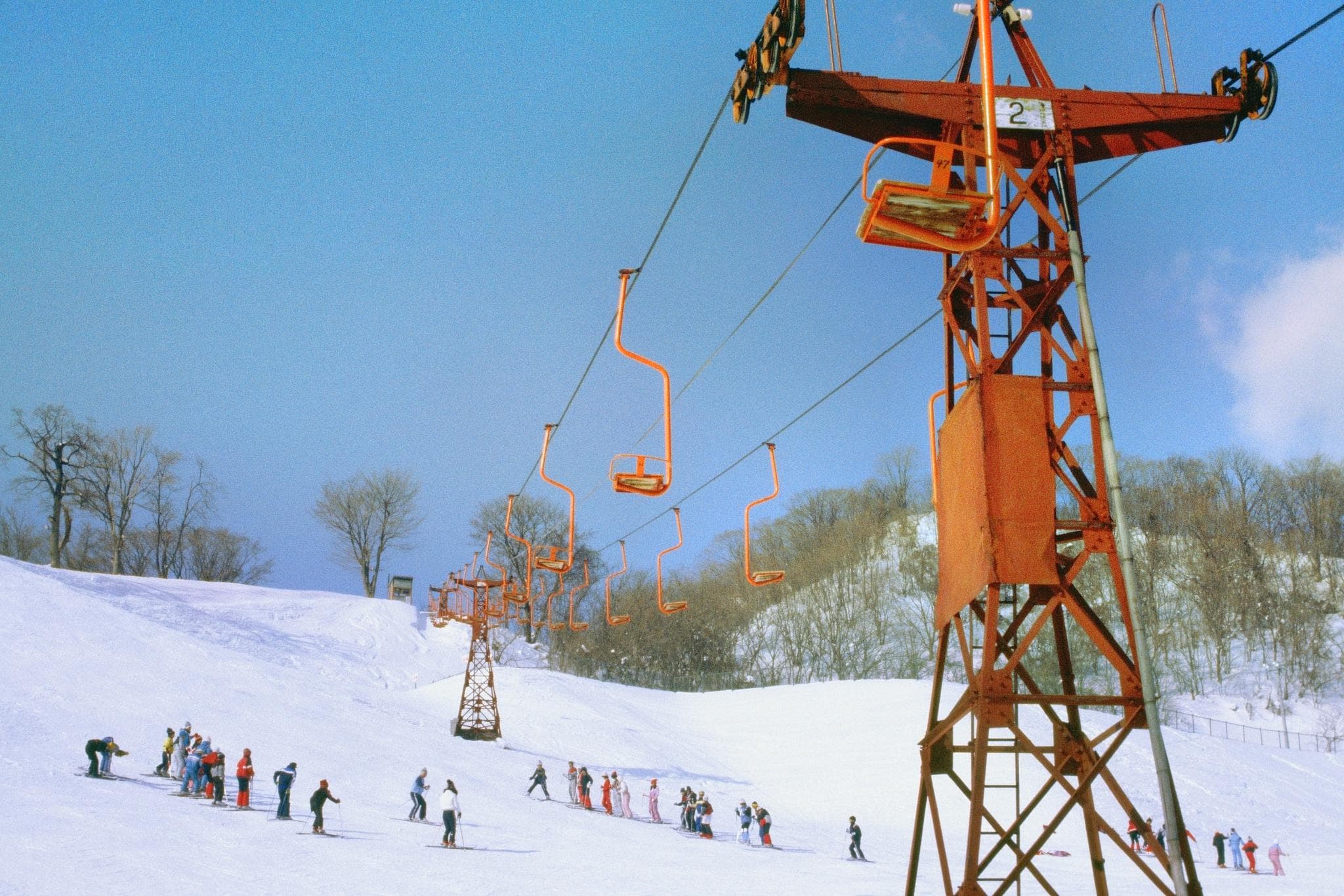
A common complaint, particularly from those visiting in winter (even as late as March), is the significant amount of snow on paths, which can make walking difficult or impossible in certain areas. This can limit exploration of the park beyond the main viewing areas. To mitigate this, consider visiting during warmer months when paths are clear, or if visiting in winter, be prepared for snowy conditions and focus primarily on the main observation points rather than extensive walking.