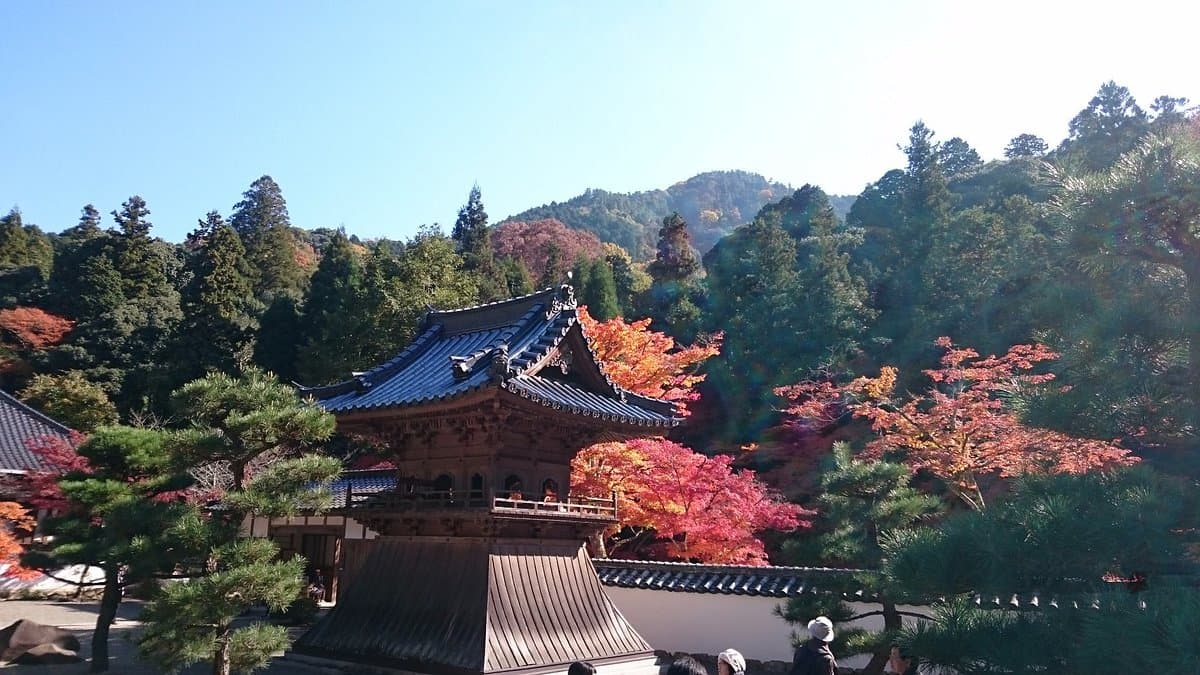
Buttsu-ji Temple is a significant Zen Rinzai sect temple located in a remote, mountainous area outside Mihara. It is renowned for its tranquil setting, traditional Japanese architecture, and particularly stunning autumn colors, making it a popular destination for those seeking natural beauty and spiritual calm.
Visitors frequently highlight the temple's picturesque grounds, emphasizing the enjoyable walks along the river and through the overarching trees. Many find the rows of statues, lanterns, and bridges to be excellent subjects for photography, especially when framed by the vibrant momiji (Japanese maple) leaves in autumn. The peaceful ambiance is consistently praised, with some reviewers noting that even when crowded, the extensive grounds allow for moments of quiet reflection. The temple's remote location contributes to its serene atmosphere, offering a genuine escape from urban bustle.
To make the most of your visit, allocate at least 1-2 hours for wandering and photography. Autumn is widely considered the best time to visit due to the spectacular fall foliage, though this also means larger crowds. If visiting during peak season, be prepared for potential parking challenges and a short walk from alternative parking spots. Bringing comfortable walking shoes is advisable, as exploring the grounds involves a fair amount of walking. While some visitors encountered a small entrance fee of ¥300, others did not mention it, suggesting it might be seasonal or for specific areas.
Reaching Buttsu-ji Temple requires some planning due to its remote location. Several reviewers note that it is far from any train station and is best accessed by car or taxi. While public bus options exist, the journey can be lengthy, and some roads may be subject to closures, as experienced by visitors during the 2018 flooding. If relying on public transport, confirm bus schedules and routes in advance. Driving allows for greater flexibility, but be aware that parking can be limited during busy periods, necessitating a walk from further down the road.
A common complaint among visitors is the difficulty in accessing the temple, particularly for those without a car. Some have reported getting lost on their first attempt due to the remote location and potential road closures. To mitigate this, it is highly recommended to use a reliable navigation system and check for any local road advisories before setting out. If using public transport, allow ample travel time and have alternative routes planned, if possible.