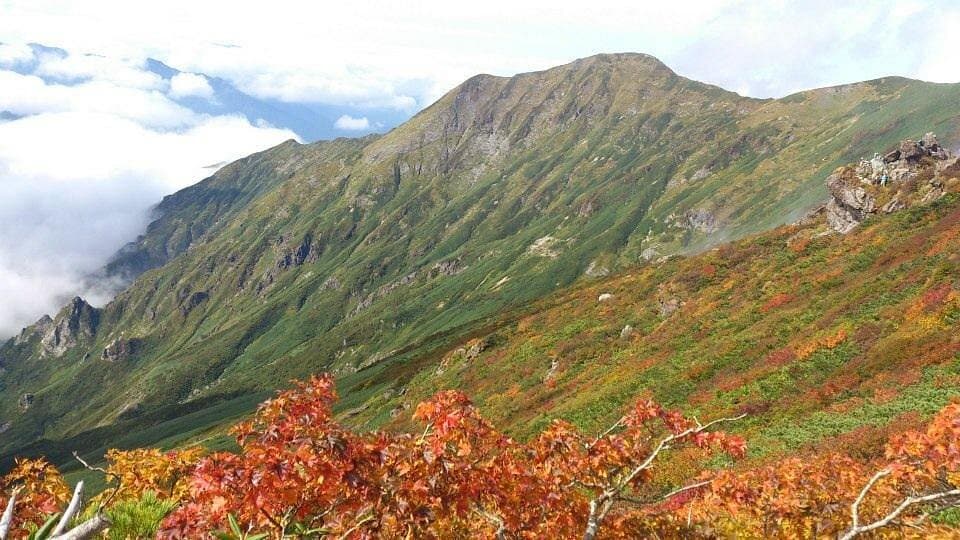
Mount Tanigawa, a prominent peak on the border of Gunma and Niigata Prefectures, is one of Japan's 100 Famous Mountains. While celebrated for its stunning alpine scenery and vibrant autumn colors, it is also infamous for its severe weather and challenging terrain, having claimed more lives than Mount Everest. It serves as a unique destination for both casual sightseers and serious mountaineers, offering a blend of accessible views and demanding climbs.
Visitors consistently praise the breathtaking natural beauty, especially the autumn foliage which peaks around mid-October. Many recommend taking the ropeway for an easy ascent and panoramic views, noting that even without extensive hiking, the experience is rewarding. Reviewers highlight the contrast between the accessible ropeway experience and the more strenuous, often rocky, hiking trails. Some experienced hikers appreciate the opportunity for challenging climbs and the spectacular backcountry, particularly in summer. However, several visitors warn about the mountain's unpredictable weather, which can change rapidly, making trails slippery and dangerous. The mountain's notoriety for claiming lives is a recurring theme, underscoring the need for caution.
For a pleasant experience, visitors suggest going during the warmer months, ideally from July to November, to avoid the most severe conditions. If planning to hike beyond the ropeway station, proper hiking shoes and warm, waterproof attire are essential, as trails can be rocky and wet. Even for those taking the ropeway, layers are recommended due to temperature changes at higher altitudes. Many recommend starting early in the day, especially for longer hikes, to allow ample time and avoid afternoon weather shifts. While there are easy courses, some trails are described as tough climbs, requiring good physical condition. It's advisable to check the weather forecast diligently before heading out.
To reach Mount Tanigawa, visitors can take a train to Minakami Station. From there, a bus runs hourly to the lower station of the Tanigawadake Ropeway, taking approximately 20 minutes. Alternatively, a more adventurous option is to take a train from Minakami Station to Doai Station (an 8-minute ride, though departures are infrequent). Doai Station itself is a unique experience, located 462+ steps underground. From Doai, it's a 10-15 minute uphill walk along the road to the ropeway station. Driving is also an option, with the mountain being about a 2-hour drive from Central Tokyo.
The most common complaints revolve around the mountain's unpredictable and severe weather, which can quickly turn a pleasant day into a dangerous situation. To mitigate this, always check the latest weather forecast before your visit and be prepared to adjust your plans. Some visitors also note that certain trails are surprisingly rocky and challenging, even for experienced hikers. It's crucial to research specific trail conditions and choose a route appropriate for your fitness level and equipment. For winter activities, backcountry skiing and climbing should only be attempted by experienced individuals with proper gear and approved route plans, as there is a high risk of avalanches and overexposure.