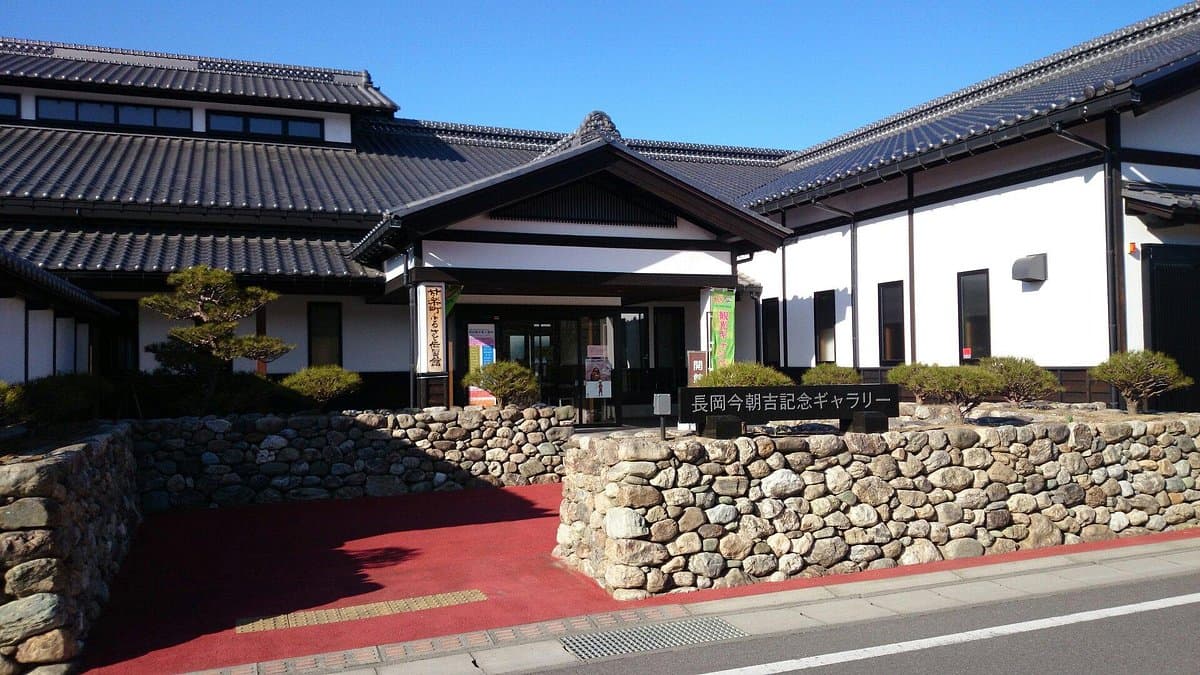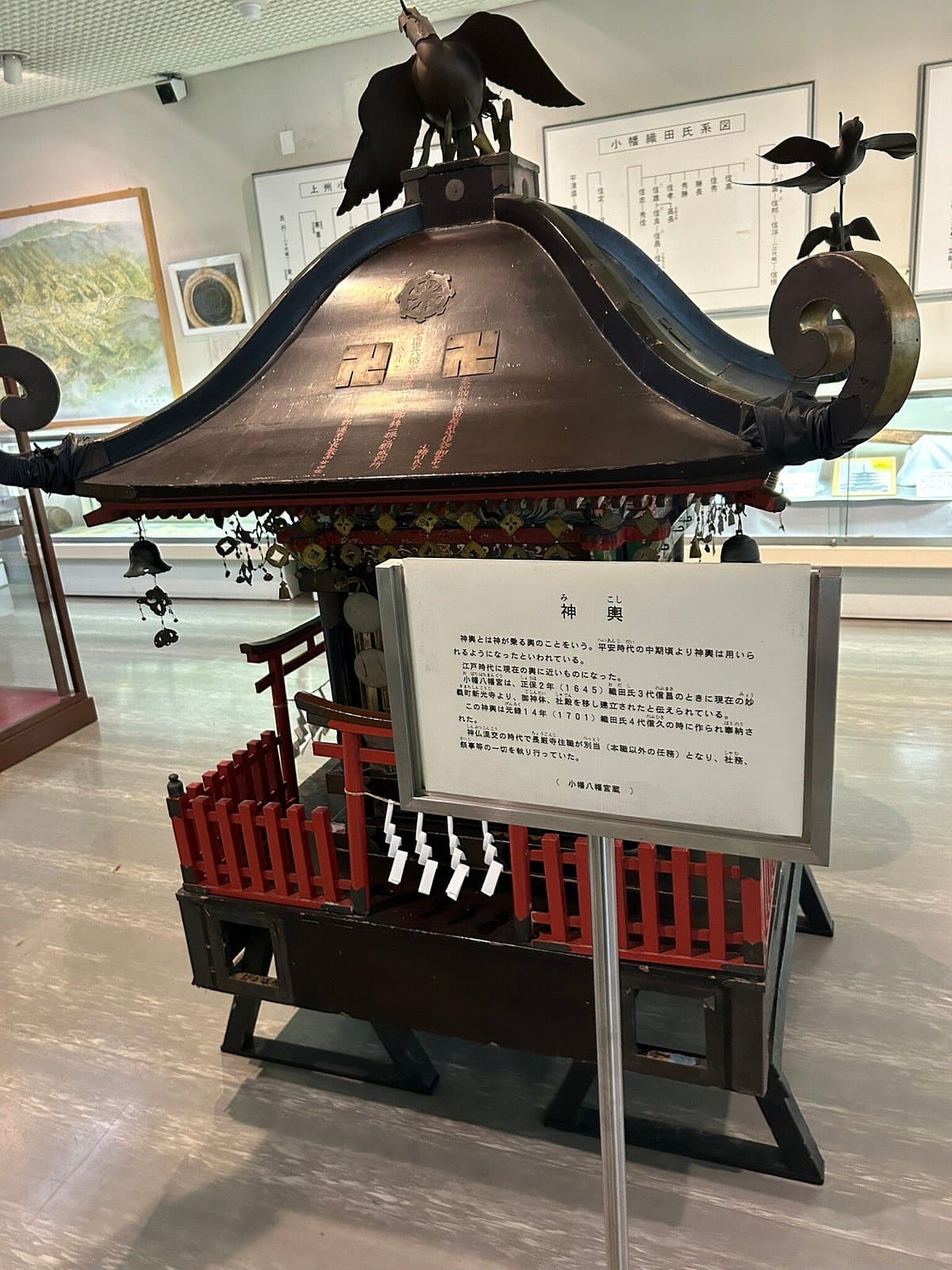
The Kanra Town History and Folklore Museum is situated in a distinctive red-brick building originally constructed in 1926 as a cocoon warehouse for the Kanra-sha Obata Group Silk Mill. This historical structure, acquired by Kanra Town in 1984 after the decline of the silk farming industry, now serves as a museum dedicated to preserving and exhibiting the local history and folklore. It offers a tangible connection to the region's industrial past and traditional way of life.
Visitors consistently appreciate the museum for its historical setting and the preservation of artifacts related to the silk industry. Reviewers highlight the unique architecture of the former cocoon warehouse itself as a significant part of the experience. The exhibits on the first floor, featuring tools and items from the silk farming era, are noted for providing insight into a crucial period of local economic activity. The museum is generally described as a quiet and informative place, suitable for those interested in specific local history rather than a broad overview.
To make the most of a visit, it is recommended to allocate approximately 1 to 2 hours. The museum is not typically crowded, allowing for a leisurely exploration of the exhibits. There is no specific advice from reviewers regarding what to bring, but comfortable shoes are always advisable for museum visits. Given its niche focus, visitors with a strong interest in industrial history, local Japanese culture, or architecture will likely find it more engaging than those seeking a general tourist attraction.
The museum is located at 852-1 Obata, Kanra-machi, Gunma Prefecture. Specific public transport details are not widely available in reviews, suggesting that driving or using local taxi services might be the most convenient options for reaching this location, especially for those unfamiliar with the area. It is advisable to check local bus schedules or consider driving if traveling from further afield.
Common complaints are not explicitly mentioned in the limited reviews. However, due to its specialized nature and smaller scale, some visitors might find the scope of exhibits limited if they are expecting a large, comprehensive museum. To mitigate this, it is best to approach the visit with an understanding that it focuses specifically on Kanra Town's local history and silk farming heritage.