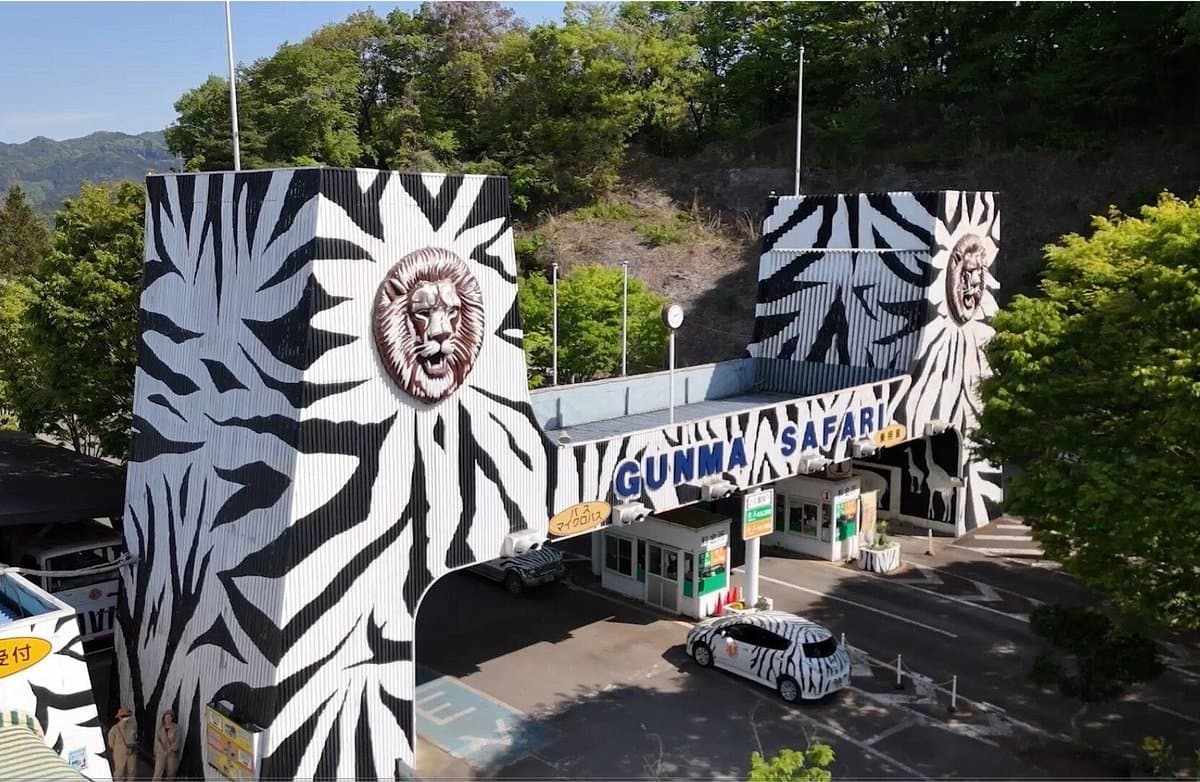
Gunma Safari Park is one of only two safari parks in Japan, offering a distinct way to observe wildlife compared to traditional zoos. Its primary appeal lies in the drive-through format, allowing visitors to get remarkably close to animals such as lions, tigers, and buffalo, often from the comfort of their own vehicle or a specialized park bus.
Visitors consistently praise the close-up encounters with animals, with many highlighting the thrill of seeing large predators just inches away. The feeding bus, which allows guests to feed animals like buffalo and lions, is frequently mentioned as a memorable and engaging experience, particularly for children. The option to drive through the park in one's own car is also a significant draw, offering greater independence and flexibility compared to the park's buses. However, some visitors note that while the enclosures are not small cages, they might not be expansive enough for larger animals to run freely, and the constant presence of roads and cars can be a concern for animal welfare.
To make the most of your visit, consider using your own car for a more independent experience, though be aware that stopping along the route is generally not permitted. If opting for a park bus, especially the popular feeding bus, plan to arrive early as these tend to fill up quickly due to limited availability. The park can be enjoyed in approximately 2-3 hours. Reviewers suggest bringing extra cash for optional activities like the radio guide (though some found it unnecessary and non-refundable) and animal feed. Be mindful of the weather; visiting on extremely hot days might be uncomfortable for both visitors and animals.
The park is located at 1 Okamoto, Tomioka, Gunma Prefecture. While specific public transport details are not extensively mentioned in reviews, visitors often arrive by car, noting that it's relatively easy to find. If driving, factor in the additional cost for your car's entry fee (around 500 JPY) in addition to individual admission. Parking is available on-site.
A common complaint revolves around a perceived 'scam' regarding the radio guide at the entrance, where visitors felt pressured into purchasing it and were then denied refunds. To mitigate this, clearly state if you do not wish to purchase the radio guide when paying for admission. Another point of concern is the perceived lack of variety in animals, with some expecting more species like elephants. Manage expectations regarding the diversity of animals, focusing instead on the unique close-up experience with the species present.