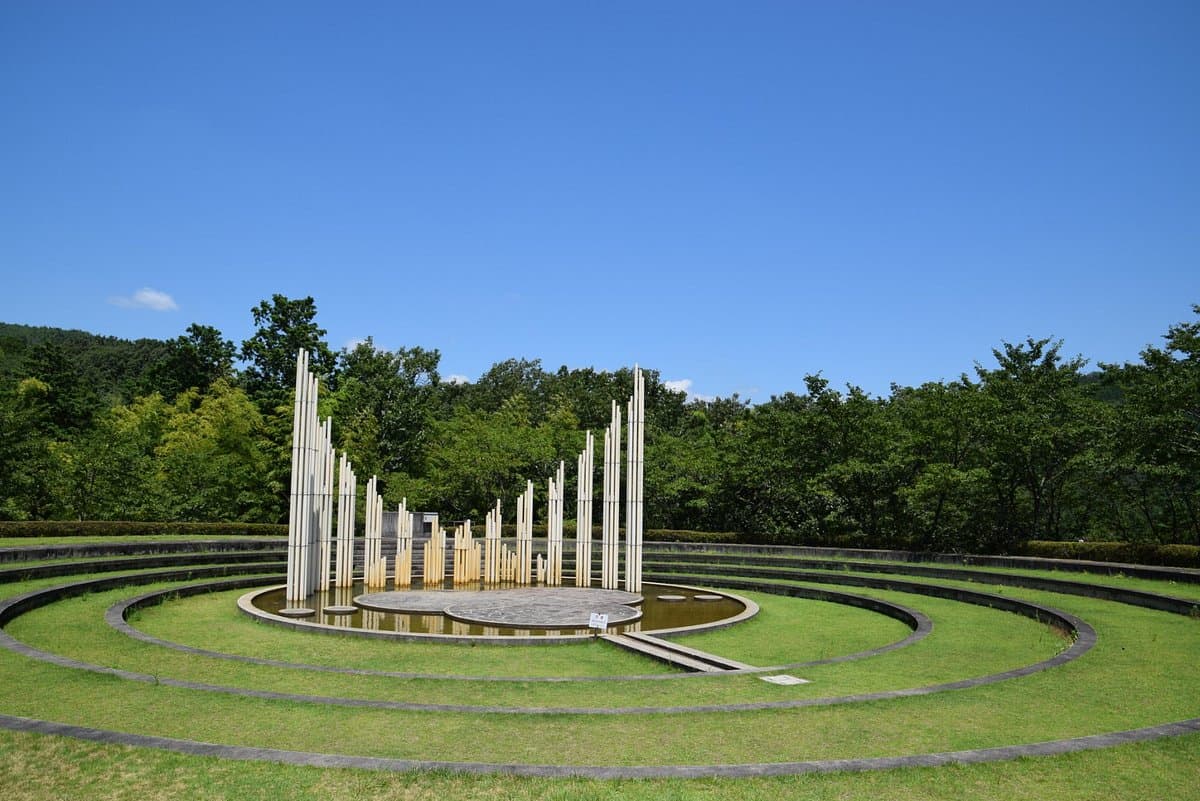
The Chiune Sugihara Memorial Hall is dedicated to Chiune Sugihara, a Japanese diplomat who served as Vice-Consul for the Japanese Empire in Kaunas, Lithuania, during World War II. He is renowned for defying orders from his superiors and issuing transit visas to thousands of Jewish refugees fleeing Nazi persecution, allowing them to escape through Japan. This act of humanitarian bravery earned him the title "Japanese Schindler" and makes the memorial a crucial site for understanding a lesser-known but profoundly impactful chapter of wartime history.
Visitors frequently praise the museum for its emotional impact and educational value. Many describe the experience as deeply moving, particularly the 15-minute video presentation that explains Sugihara's actions and the historical context. Reviewers, including descendants of Holocaust survivors, emphasize the museum's ability to convey the gravity of the situation and Sugihara's moral courage. The availability of Hebrew guidance is also noted as a valuable feature for some visitors. The museum is often described as beautifully constructed, offering a comprehensive look at Sugihara's life and the broader context of the Holocaust.
To make the most of your visit, plan to spend at least one hour, with some suggesting up to 100 minutes if combining with the nearby Hayabusa Museum. The 15-minute video is considered a must-see, so allocate time for it. While the memorial is located in Yaotsu, some visitors express disappointment regarding the historical accuracy of it being Sugihara's birthplace, as evidence suggests he was born in Mino City. However, this does not detract from the significance of the memorial itself. Consider purchasing a combined ticket if you plan to visit the Hayabusa Museum as well, as this can offer better value.
Reaching the Chiune Sugihara Memorial Hall requires some planning as it is not easily accessible by public transport. Many visitors mention driving for hours to get there, indicating that a car is the most convenient, if not essential, mode of transportation. The address is 1071 Yaotsu, Yaotsu-cho, Gifu Prefecture. There is no specific mention of public transport options like train lines or bus routes in the reviews, suggesting that visitors should arrange for private transport or a taxi from a nearby city if they do not have their own vehicle.
A common point of contention among some visitors is the claim that Yaotsu is Sugihara's birthplace, with some historical evidence suggesting Mino City. While this detail might be a source of disappointment for those seeking absolute historical precision regarding his birth location, it does not diminish the importance of the memorial's mission to honor his humanitarian deeds. Visitors are encouraged to focus on the broader message of courage and compassion that the memorial conveys, rather than getting sidetracked by debates over his exact place of birth.