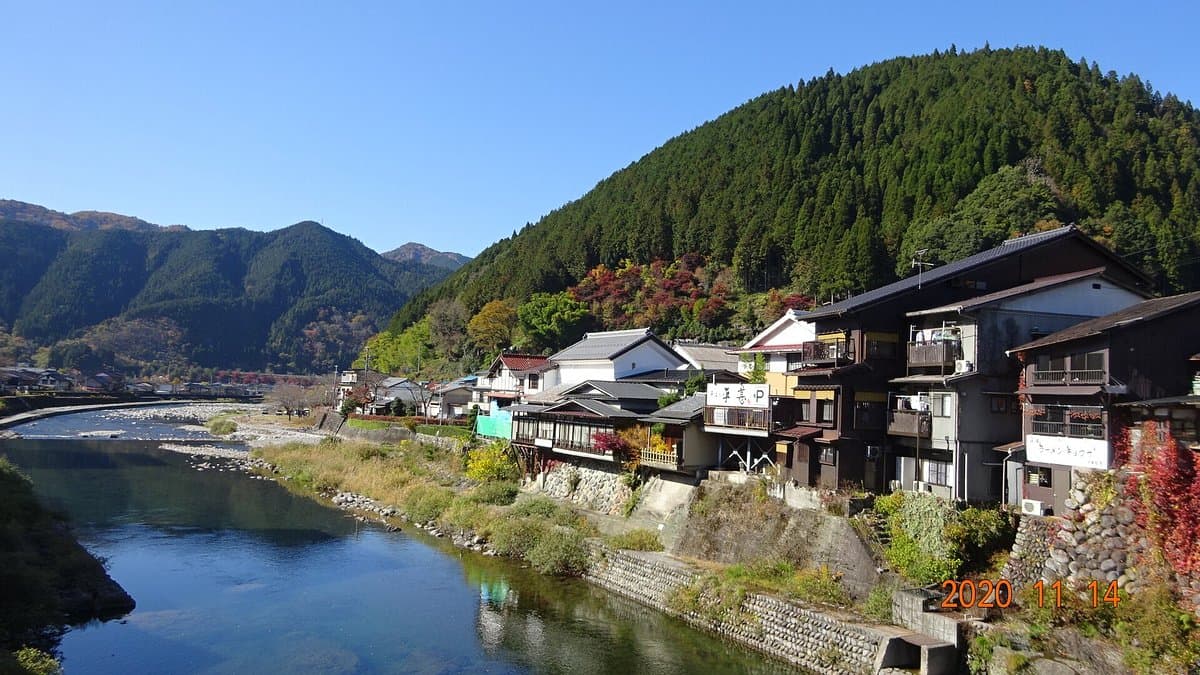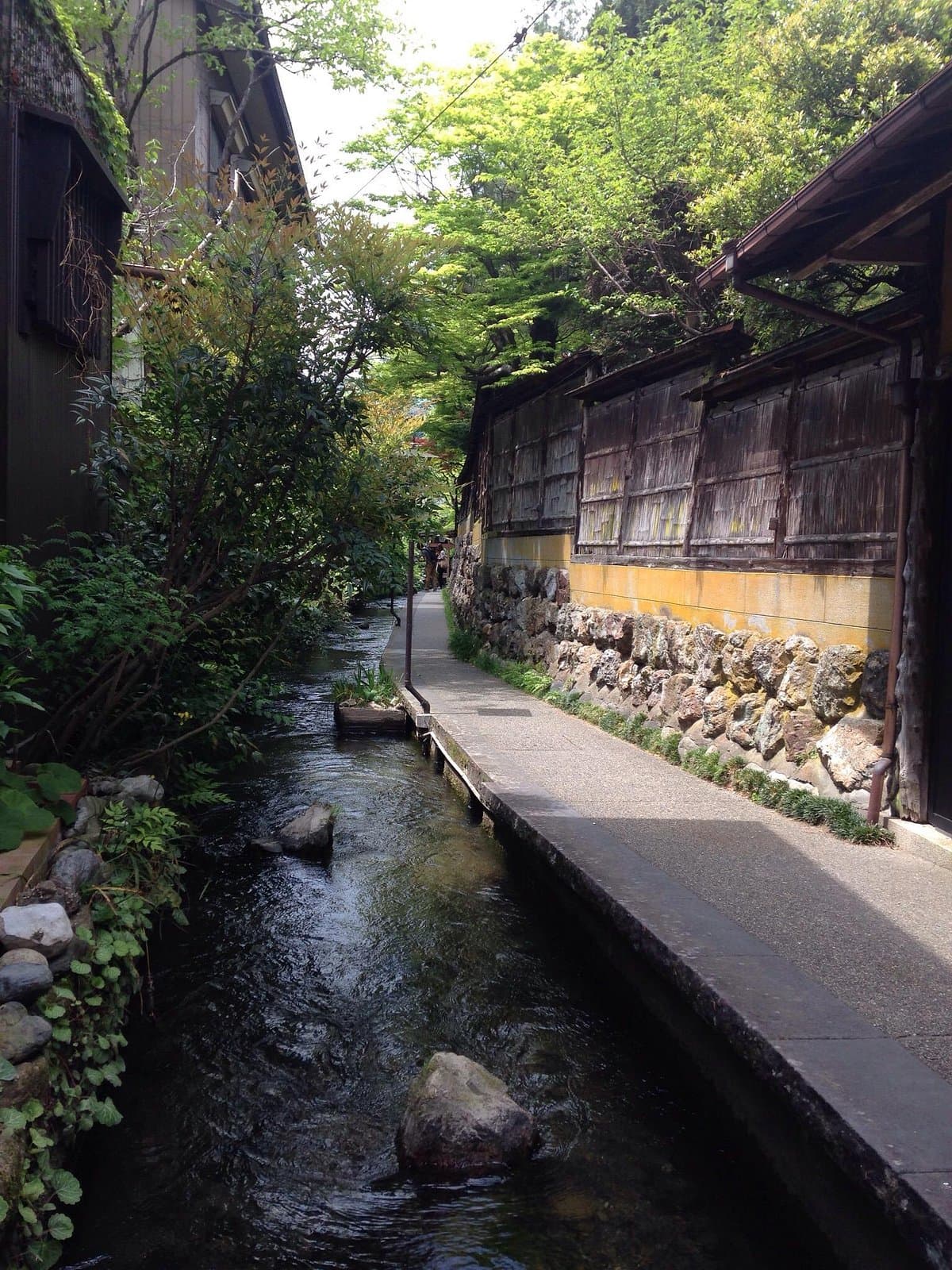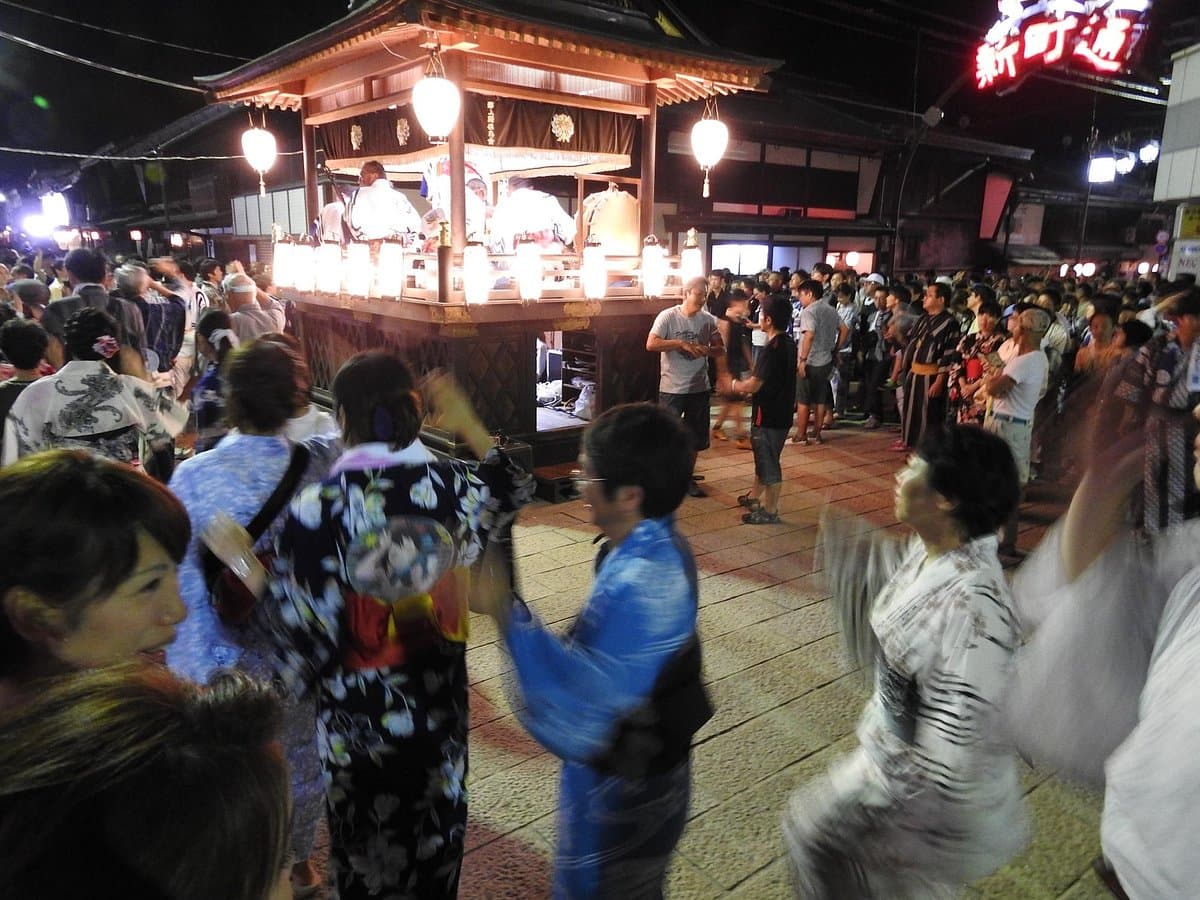
The Tetsuya Odori, more commonly known as Gujo Odori, is a highly significant traditional Japanese folk dance festival held in Gujo, Gifu Prefecture. It is celebrated as one of Japan's three major bon dances, alongside the Nishimonai Bon Dance and Awa Dance. This festival is renowned for its unique characteristic of featuring all-night dancing, particularly during its peak season in August, offering an immersive cultural experience that has been preserved for centuries.
Visitors frequently highlight the festival's special atmosphere and the rare chance to witness and even participate in an authentic, continuous dance tradition. Reviewers describe it as a "very special bon-dance festival" unlike any other, emphasizing its importance as a "wonderful seasonal summer tradition that Japan is proud of." The opportunity to join the dance, even for those unfamiliar with the steps, is a major draw, fostering a sense of community and celebration.
To make the most of your visit, plan your trip to coincide with the festival dates, which typically include several nights in August, with the most intense all-night dancing occurring around August 12th to 14th (dates may vary annually). It is advisable to book accommodation well in advance, as the area can get crowded. While specific attire isn't strictly required for participation, many attendees wear traditional yukata, which can enhance the experience. Spending at least a few hours, or even an entire night, is recommended to fully appreciate the event.
Gujo Hachiman, where the festival takes place, is accessible by car. Reviewers mention driving for about an hour from near Gifu station. Public transport options to Gujo Hachiman include buses from major cities like Nagoya or Gifu, or local trains to Gujo-Hachiman Station, followed by a walk or short taxi ride to the festival areas. Given the all-night nature of some dance sessions, having pre-arranged transport or accommodation nearby is crucial.
Common complaints are rare, but visitors should be aware that during peak festival nights, crowds can be substantial. To mitigate this, arriving earlier in the evening can help secure a good viewing spot or allow for easier integration into the dance circles. Also, ensure you check the exact festival schedule and locations, as the dance venues can shift within the town over the festival period.