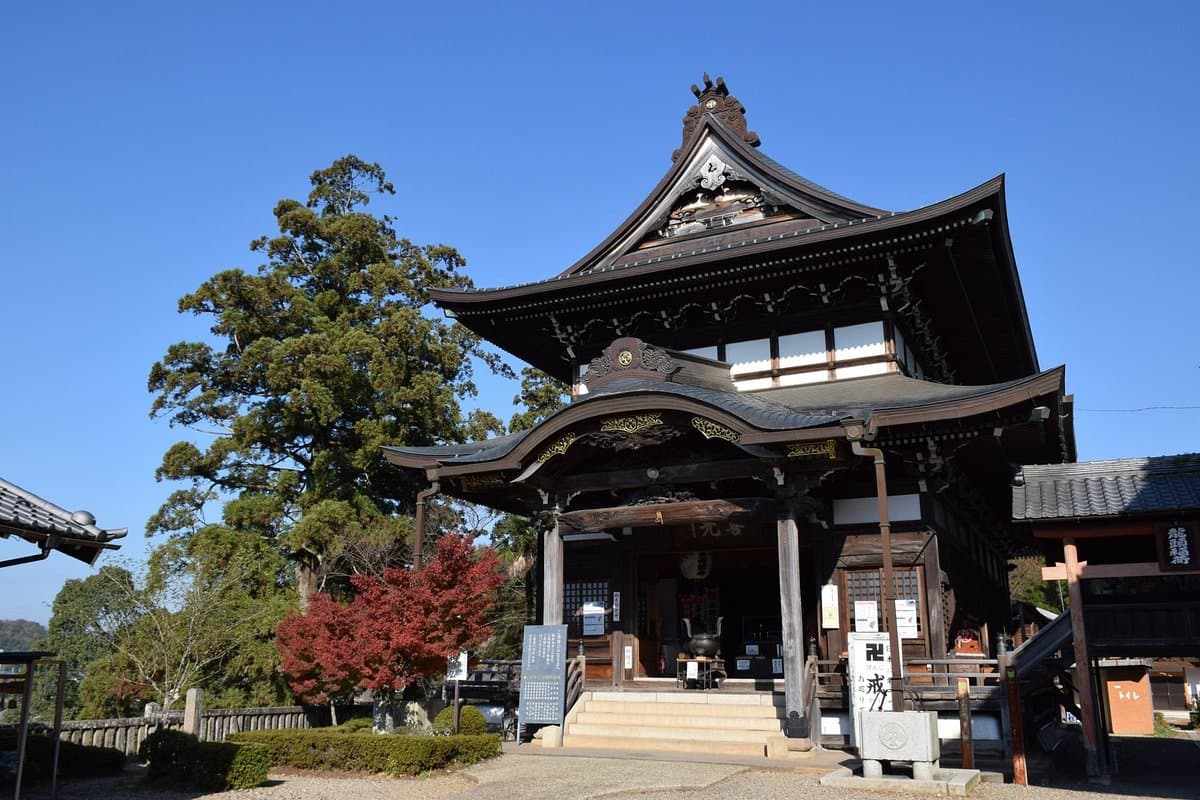
Sekizenkoji Temple, also referred to as Sokyuji Temple, is a traditional Buddhist temple located in Seki, Gifu Prefecture. It serves as a functional place of worship for the local community, offering visitors a glimpse into Japanese religious practices away from major tourist crowds. Its significance lies in its role as a well-preserved local temple with a history that dates back centuries, providing a tranquil and authentic cultural experience.
Visitors consistently praise the temple for its peaceful and quiet atmosphere, making it an ideal spot for reflection and relaxation. Many reviewers highlight the beautiful temple complex, including a bell tower and graves located up a hill, which add to its traditional charm. Those who have stayed on-site, in lodging rooms behind the café, describe a wonderful experience waking up to the temple's beauty and enjoying exceptional breakfast. The temple is noted for being well-used by a local congregation, giving it an authentic feel.
For those visiting Seki, particularly during the annual Cutlery Festival in October, the temple offers a welcome escape from the crowds. Reviewers suggest spending about an hour to explore the grounds, soak in the tranquility, and appreciate the architecture. There's also mention of a special tour that allows access to areas under the temple, which could be an interesting addition for those seeking a deeper experience. Since Seki is not a primary tourist hub, the temple tends to be less crowded, allowing for a more intimate visit. Consider visiting in the morning for the most serene experience.
The temple is conveniently located within a 10-minute walk from the main street of Seki, making it easily accessible for those already in the city. While Seki itself is described as being 'out of the way' with limited train access (often requiring a single train car), once in the city, the temple is quite central. There is no specific public transport mentioned directly to the temple, but its proximity to the main street suggests it's reachable on foot from local bus stops or the nearest train station in Seki. Driving to Seki is also an option, though parking details for the temple itself are not explicitly mentioned in reviews.
A common observation is that Seki City, and by extension the temple, receives few international tourists due to its remote location. This can be a positive for those seeking an authentic, uncrowded experience, but it also means fewer English-speaking services might be available. Visitors should be prepared for a more local experience and potentially limited information in English. The lack of crowds, however, allows for better access to the temple buildings and a more personal exploration.