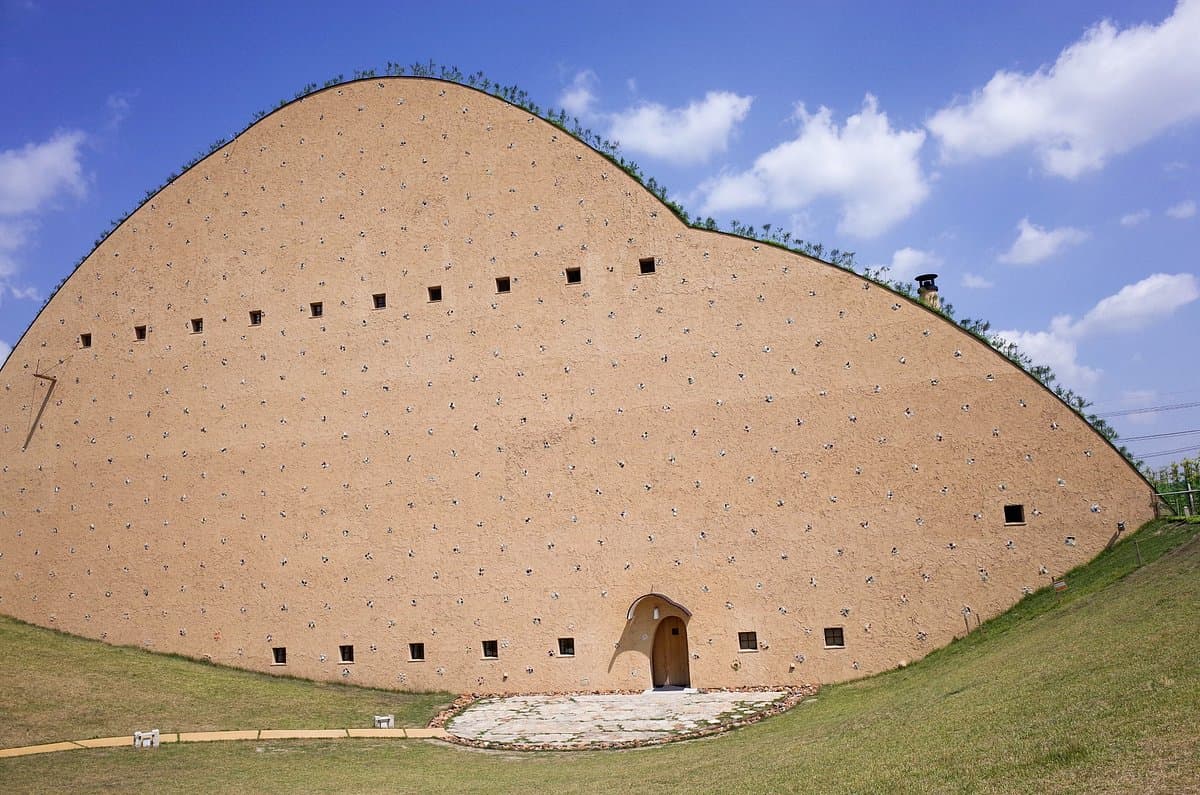
The Mosaic Tile Museum Tajimi is a distinctive museum dedicated to the history and artistry of Japanese mosaic tiles. Housed in an architecturally striking building designed by Terunobu Fujimori, it stands as a testament to the region's rich ceramic heritage, particularly the Kasahara district's long tradition of tile production. The museum's unique, almost fairytale-like design, with its earthen walls and conical tower, makes it a destination in itself, drawing visitors interested in both its collections and its remarkable structure.
Visitors consistently praise the museum's unique architecture, often describing it as 'amazing' and 'fairytale-like.' The top floor, in particular, is frequently highlighted for its visual impact. Many reviewers appreciate the comprehensive display of tiles, ranging from historical pieces to modern applications, and the opportunity to interact with some of them. The hands-on workshop, where both adults and children can create their own mosaic, is a major draw, with several visitors noting its fun and engaging nature. The museum is also commended for its family-friendly facilities, including wheelchair accessibility, elevators, stroller access, and diaper changing rooms, making it suitable for families with young children.
To make the most of your visit, it's recommended to start on the top floor and work your way down, as suggested by several reviewers. Allocate approximately 1.5 to 2 hours to fully explore the exhibits and participate in a workshop. The workshop does not require a reservation, allowing for spontaneous participation. While the museum is enjoyable in any weather, one reviewer specifically recommends visiting on a sunny day, possibly to appreciate the natural light within the unique architectural spaces. English guides are available, which is a helpful resource for international visitors.
The Mosaic Tile Museum Tajimi is located at 2082-5 Kasaharacho, Tajimi, Gifu Prefecture. While specific public transport details are not extensively mentioned in reviews, its proximity to an onsen (Ten no YU) suggests it might be accessible by local bus routes or a short taxi ride from a train station in Tajimi. For those driving, the museum offers parking facilities. It's advisable to check local transport schedules or consider driving, especially if combining the visit with other attractions in the Gifu Prefecture.
Some visitors expressed expectations for a wider variety of international tiles, such as Turkish or Spanish mosaics. However, the museum primarily focuses on Japanese mosaic tiles and their history. To mitigate potential disappointment, visitors should be aware that the collection is centered on the local and national tile heritage rather than a global overview. The museum's strength lies in its unique architecture and the specific story of Japanese tile-making.