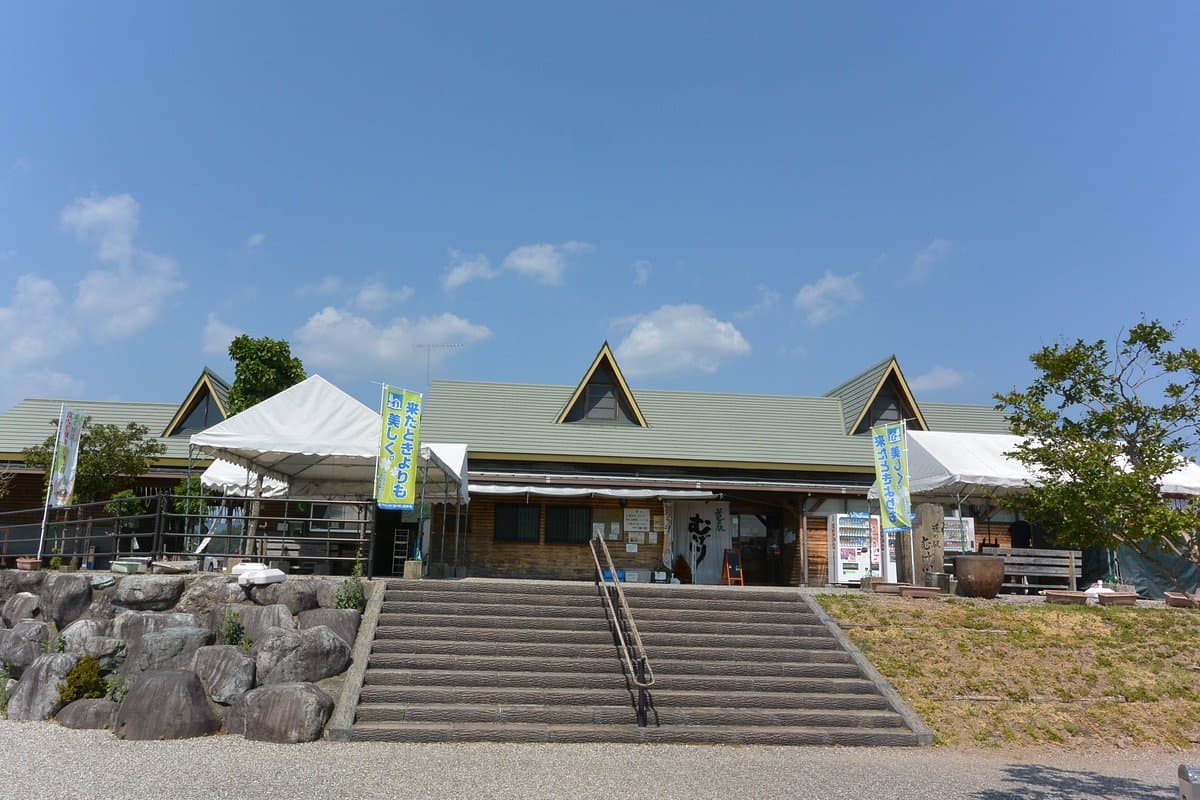
Michi-no-Eki Muge River is a roadside station, part of Japan's extensive network of 'Michi-no-Eki' (roadside stations) designed to provide rest areas, local information, and promote regional products. These stations are vital for travelers, offering a blend of convenience and a taste of local culture, making them more than just a gas station stop.
Visitors consistently praise the fresh local produce available, particularly the seasonal fruits and vegetables, which are often sold at reasonable prices. Many reviewers highlight the opportunity to buy unique local specialties and souvenirs that are difficult to find elsewhere. The small restaurant or food court is frequently mentioned as a good spot for a quick and affordable meal, with some specific dishes like local soba or udon receiving positive remarks for their authenticity and taste. The clean restrooms and ample parking are also recurring positive points, making it a comfortable stop for longer journeys.
For a visit, plan to spend about 30-60 minutes, primarily for browsing the local goods and perhaps grabbing a snack or meal. It's best to visit during daylight hours, especially in the morning or early afternoon, when fresh produce is most abundant. Bringing your own reusable shopping bags is advisable if you plan to purchase items. While there are no specific money-saving tips beyond the generally reasonable prices of local goods, paying attention to seasonal offerings can yield the best value.
Michi-no-Eki Muge River is located at 1810 Mugegawachoatobe, Seki, Gifu Prefecture. As a roadside station, it is primarily accessible by car, situated directly alongside a main road. There is ample free parking available for both cars and larger vehicles. Public transport options to reach this specific location are limited, so driving is the most practical way to visit.
Common complaints are generally few, but some visitors note that the selection of goods can be limited compared to larger Michi-no-Eki, and the restaurant offerings might be basic. To mitigate this, manage expectations regarding the size and variety, and focus on the unique local items rather than expecting a wide supermarket-style selection.