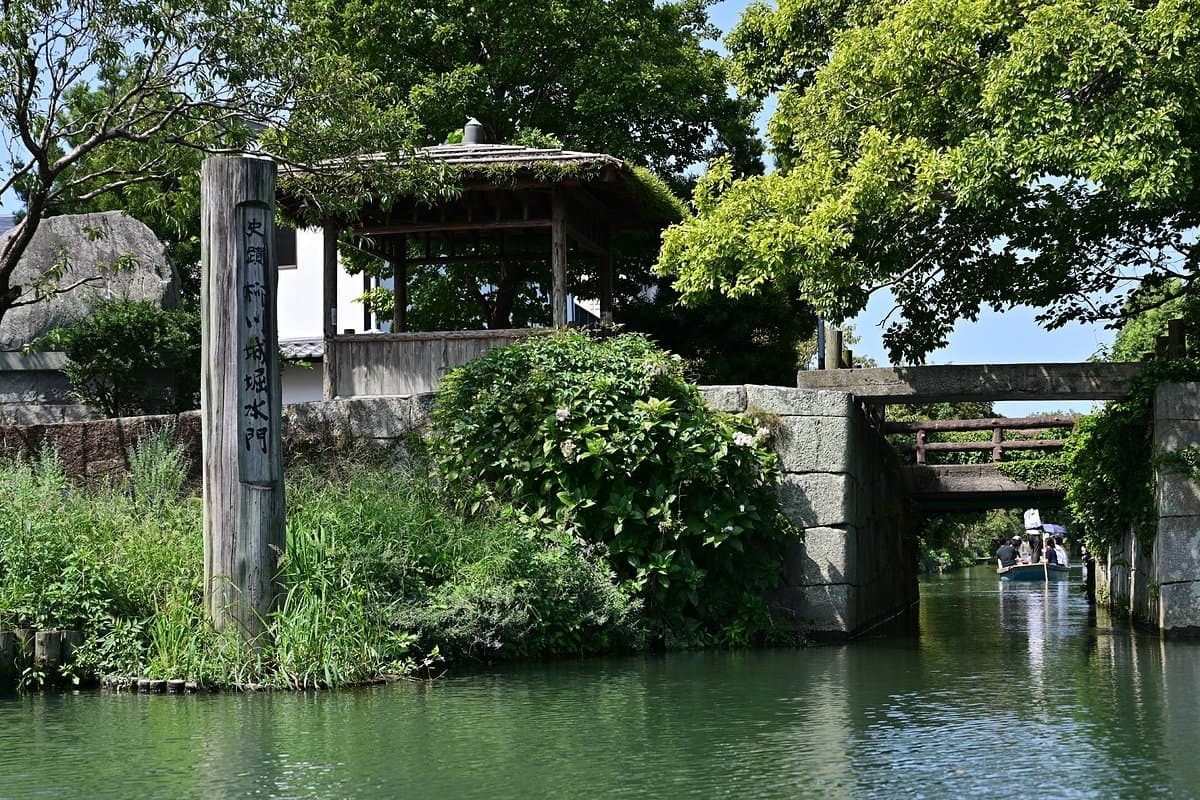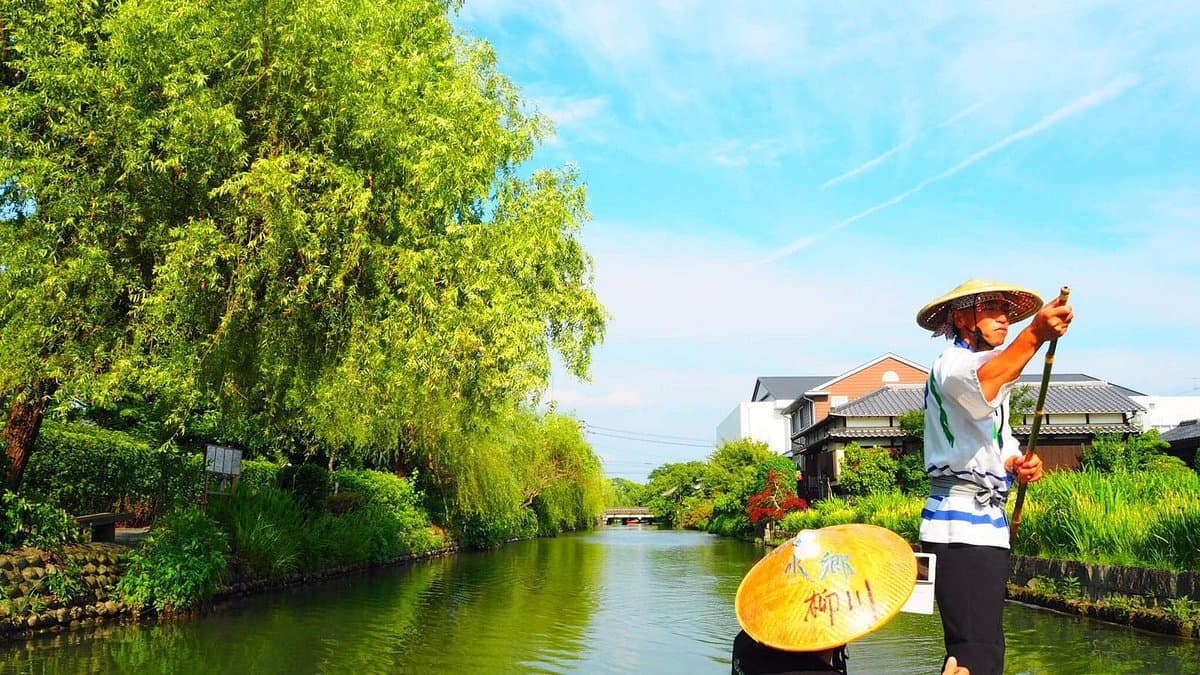
The Yanagawa River Boat ride, locally known as 'donkobune,' offers a unique way to explore the historic canals of Yanagawa, a town often likened to Venice. These waterways, originally part of the Yanagawa Castle moat system, provide a serene journey through a landscape rich in history and natural beauty. Visitors consistently praise the relaxing atmosphere and the charm of the traditional pole-driven boats, which offer a distinct contrast to modern sightseeing.
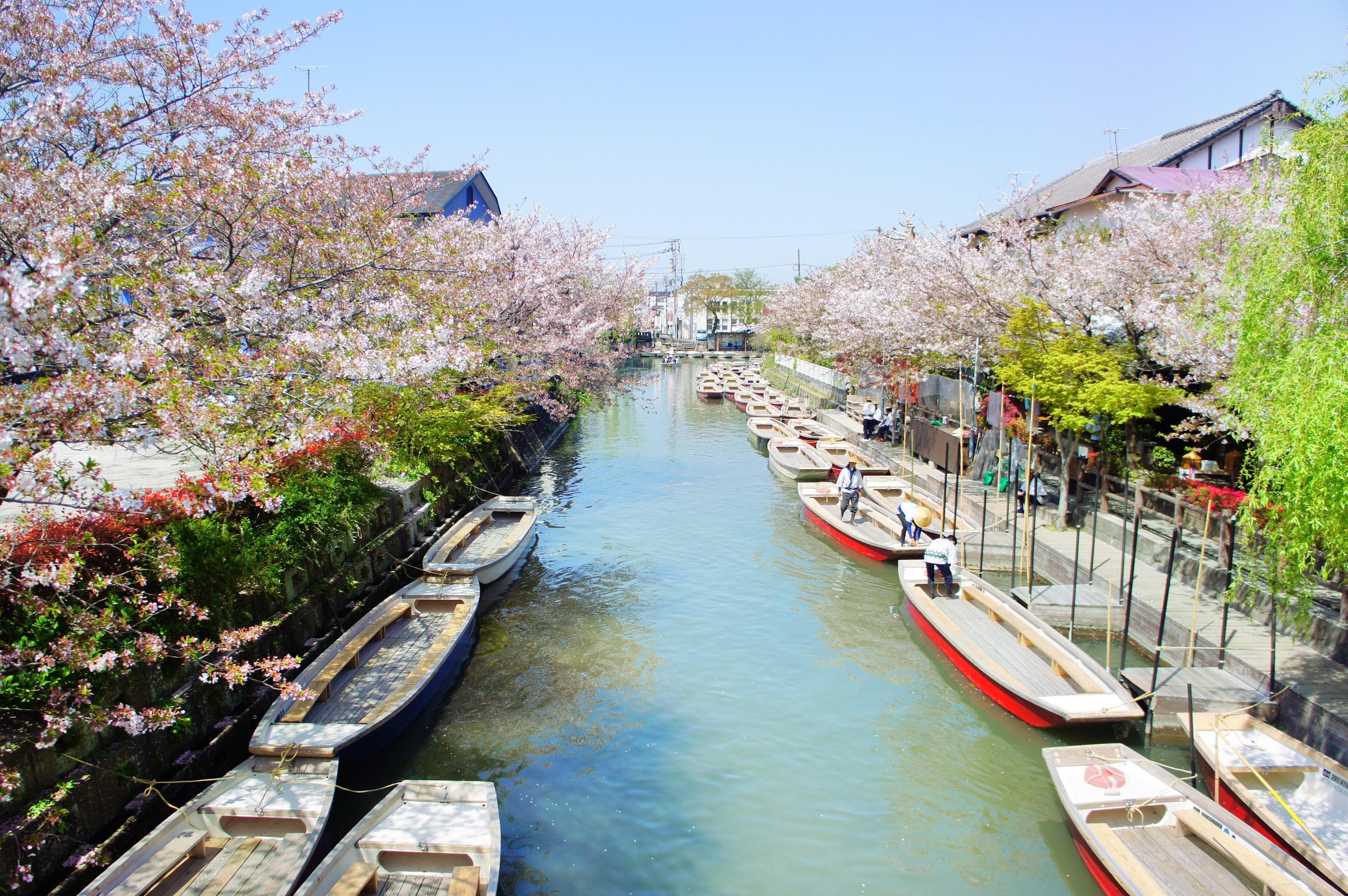
Many visitors highlight the boatmen as a key part of the experience. They are often described as entertaining, singing traditional songs, and sharing historical anecdotes, sometimes in broken English, Chinese, or Korean, to engage international guests. The scenic beauty, particularly during cherry blossom (sakura) or autumn foliage seasons, is frequently mentioned as a major draw. Reviewers appreciate the slow pace, which allows for ample time to take in the willow-lined banks, old samurai residences, and low bridges that require passengers to duck. The opportunity to enjoy local cuisine, especially unagi (eel), before or after the ride is also a popular suggestion.
For a comfortable experience, consider visiting during spring (cherry blossom season) or autumn for pleasant temperatures and vibrant scenery. Summer can be very hot, so an early morning ride is recommended, and bringing an umbrella for sun protection is advisable. The ride typically lasts about an hour for a one-way trip, with shuttle buses available to return to the starting point. Some boat companies offer round-trip options. Many visitors recommend purchasing a package deal that includes train travel from Fukuoka, the boat ride, and sometimes lunch or an onsen bath, as this often provides good value.
Getting to Yanagawa is straightforward. From Fukuoka, take the Nishitetsu train (limited express takes about 52 minutes) to Yanagawa Station. Several boat companies operate near the station, and shuttle buses are usually available to take you to the boarding points. Some packages include a shuttle directly from the station to the boat launch. The boat ride itself is one-way, with free shuttle buses provided by the boat companies to bring you back to the original starting point or the station. Be aware that the last shuttle bus typically departs around 17:30.
A common complaint among non-Japanese speaking visitors is the language barrier with some boatmen, which can limit understanding of historical explanations. However, many find the experience enjoyable regardless, focusing on the scenic beauty and the boatman's entertaining demeanor. To mitigate this, some visitors suggest seeking out specific boat companies known for English-speaking guides, though this is not always guaranteed. Another minor issue is the occasional crowding on boats, but generally, operators aim for comfortable seating. During off-peak seasons or less ideal weather, the scenery might be less vibrant, so checking the season and weather forecast is recommended for optimal enjoyment.