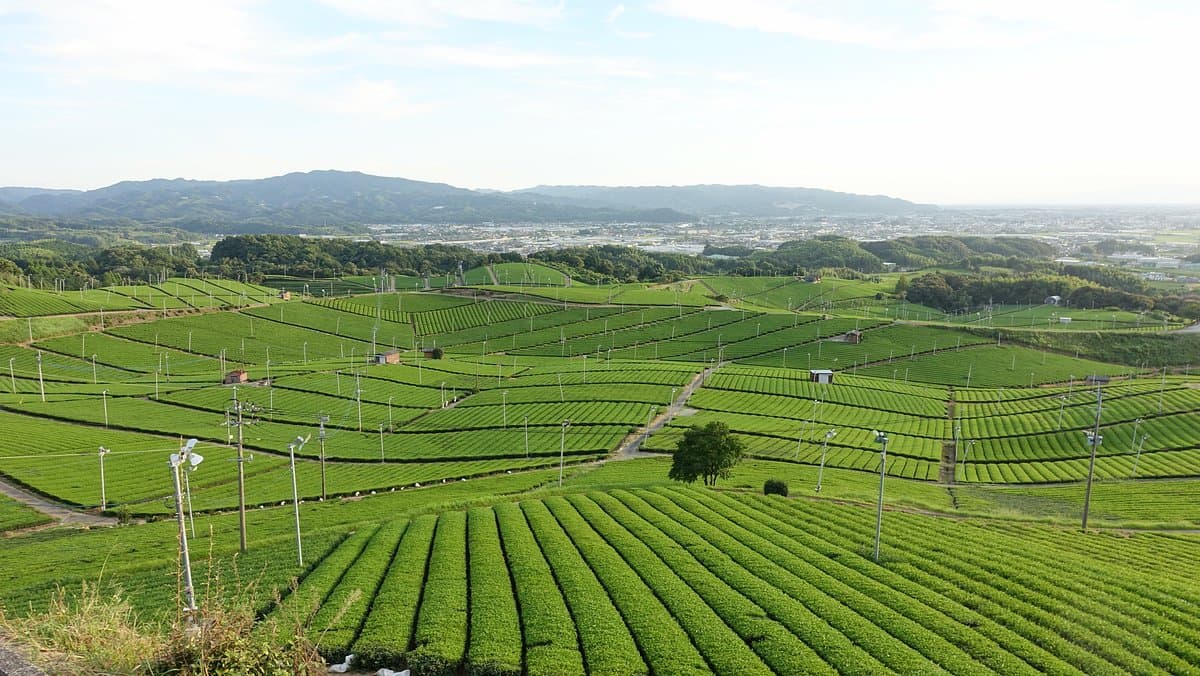
The Yame Chuo Tea Garden is not a manicured garden in the traditional sense, but rather a sprawling, active tea plantation that offers visitors an immersive experience in Japan's renowned tea-growing region. It's a significant site for understanding the scale and beauty of Japanese agriculture, particularly the cultivation of Yame tea, which is highly regarded for its quality. The vastness of the tea fields, often dotted with distinctive giant pinwheels, creates a unique and picturesque landscape that stands out from typical tourist attractions.
Visitors consistently praise the garden for its serene atmosphere and stunning panoramic views. Many describe it as a peaceful escape, ideal for relaxation and photography. The sheer scale of the tea fields is often highlighted, with some reviewers noting it feels more like a 'field' than a 'garden.' The presence of giant pinwheels adds a whimsical touch to the landscape, making for memorable visuals. While the shop might not always be open, the natural beauty of the fields themselves is considered the main draw.
To make the most of your visit, consider bringing a camera to capture the expansive views and unique pinwheels. Reviewers suggest spending at least an hour or two to fully appreciate the tranquility and take photos. The best time to visit is during daylight hours, allowing for clear views of the fields. Since the area is quite open, comfortable walking shoes are recommended. There are no specific entry fees, making it a budget-friendly option for scenic enjoyment.
Getting to the Yame Chuo Tea Garden is best done by car. While there are guide signs from the main road, the roads leading up to the garden can be narrow, though traffic is generally light. Several visitors strongly recommend renting a car for convenience, or taking a taxi, which one reviewer noted cost around 20 USD from Yame. Public transport options are limited, making a private vehicle almost essential for easy access and exploration of the surrounding area.
A common point to note is the limited amenities, particularly the shop's inconsistent opening hours. Visitors should not rely on finding refreshments or souvenirs on-site, especially if arriving early or late. It's advisable to bring your own water or snacks if you plan a longer stay. The remote location also means that without a car, access can be challenging and costly, so planning transportation in advance is crucial to avoid inconvenience.