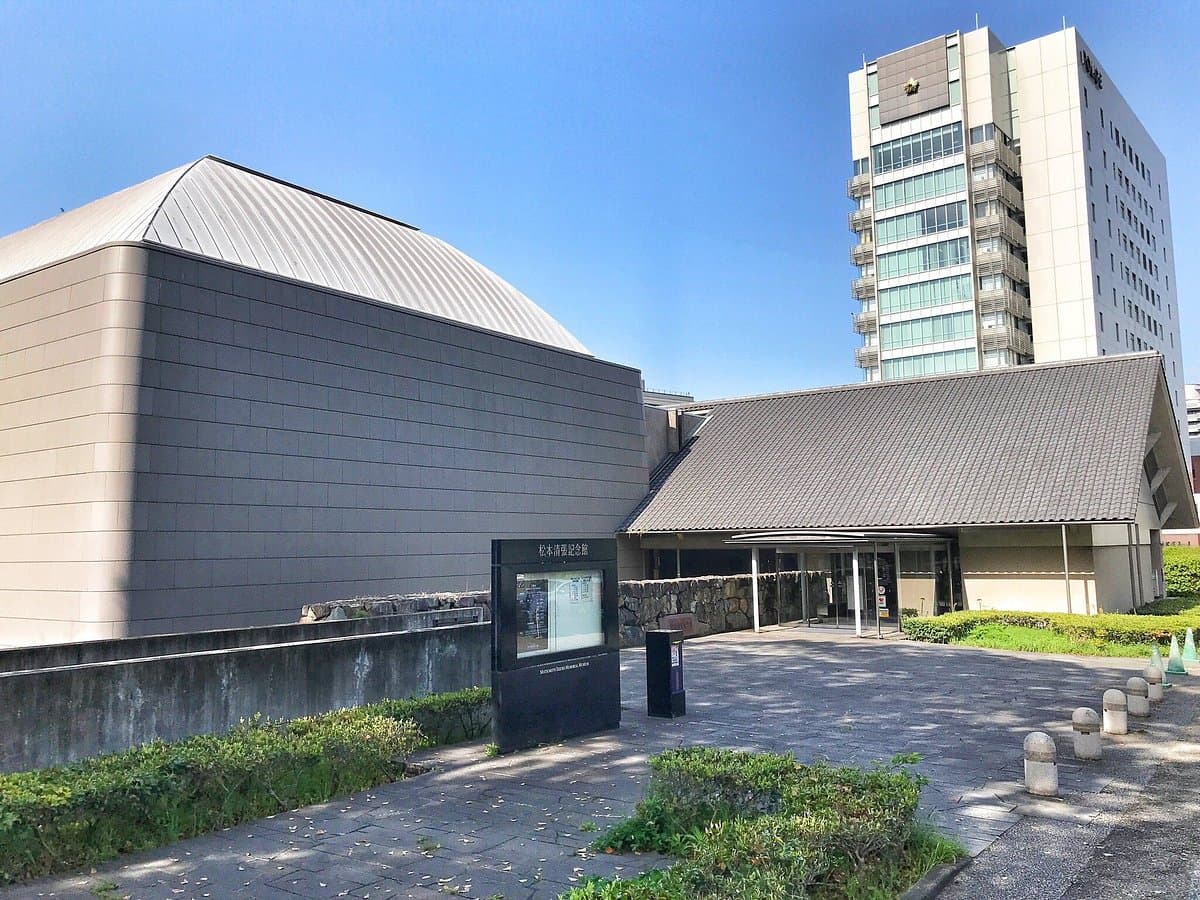
The TOTO Museum in Kitakyushu is a unique corporate museum dedicated to the history and innovation of TOTO, Japan's leading manufacturer of sanitary ware. Built to commemorate the company's centennial, it offers a deep dive into the evolution of bathing equipment, from early Japanese plumbing to the globally recognized Washlet. It's not just a company showcase; it's a testament to how design and technology can transform everyday objects and significantly impact human hygiene and comfort.
Visitors consistently praise the museum for being surprisingly engaging and well-designed, often exceeding expectations for a museum about toilets. Reviewers highlight the comprehensive historical exhibits, the detailed explanations of TOTO's technological advancements, and the overall modern and bright atmosphere. Many find the information fascinating and even humorous, making it enjoyable for adults. The museum effectively balances corporate achievements with broader historical context, avoiding overly serious or purely comedic tones. The free admission is a frequently mentioned positive aspect, making it an accessible and worthwhile stop.
To make the most of your visit, plan to spend around 1.5 to 2 hours exploring the exhibits. While some visitors suggest it might be boring for younger children, others note that their kids found it interesting, especially with the interactive elements. The museum is well-signed in English, and for those who prefer more detailed explanations, a smartphone with a QR code reader can access audio guides or translations in various languages, including Chinese. Bringing headphones is recommended for the audio guide. Don't miss the gift shop, which offers novelty items related to TOTO's products.
The TOTO Museum is located at 2-1-1 Nakashima, Kokurakita-ku. While public transport is available, some visitors note it's not the easiest to reach directly. The nearest monorail station is about a 10-minute walk away, which is generally considered manageable even with young children. For those driving, free parking is available, and some reviewers mention that navigation systems (like car GPS) can lead directly to the museum. Biking is also suggested as an option. From the main train station, it's a bit of a walk but doable for those who enjoy strolling.
A common complaint, particularly for those without smartphones, is the difficulty in accessing English translations for all exhibits. While there are English signs, the more in-depth information often requires scanning QR codes for audio or text translations. To mitigate this, ensure your smartphone is charged and has a QR code reader app installed, or consider bringing a tablet. Some visitors also mistakenly expect a museum solely about the general history of toilets rather than a corporate history; managing this expectation can enhance the experience.