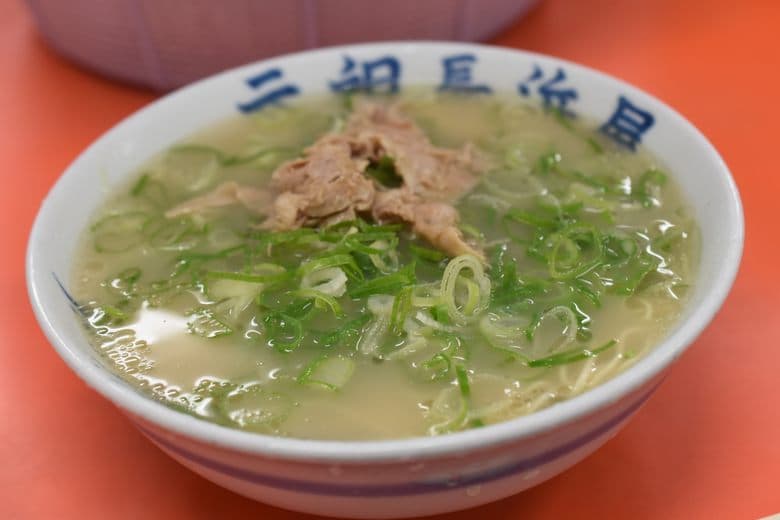
The Site of Ganso Nagahama-ya is not a functioning restaurant, but rather a historical landmark in Fukuoka, Japan. It signifies the birthplace of Nagahama ramen and, crucially, the innovation of 'kaedama' – the practice of ordering an extra serving of noodles for your remaining broth. This spot is revered by locals as a significant cultural heritage, marking where a culinary tradition began that catered to the fast-paced lives of fishery workers in 1952.
Visitors to this site will find neon signs, arrows, and banners directing them to the current location of the "original" Ganso Nagahama-ya. This reflects a common theme in reviews: the confusion surrounding the numerous "Nagahama-ya" establishments. Reviewers often appreciate the clear signage at this historical site, which helps clarify the lineage of the original shop. It's a place for reflection rather than consumption, offering a glimpse into the origins of a beloved local dish.
For those interested in the history of ramen, a brief stop here is sufficient, perhaps 10-15 minutes, to read the signs and appreciate the significance. There's no need to bring anything specific, as it's an outdoor marker. The best time to visit would be during daylight hours to clearly see the signage. After visiting, many travelers head to the current Ganso Nagahama-ya to experience the ramen firsthand, which is often praised for its thin noodles and rich pork bone broth.
The site is located in the Nagahama neighborhood of Chūō Ward, Fukuoka. While specific public transport lines aren't detailed in reviews for this exact spot, the Nagahama area is generally accessible by local buses. Given its central location, it's likely within walking distance from major thoroughfares or bus stops. Driving might be less convenient due to potential parking limitations in a busy urban area.
A common point of confusion for visitors, as highlighted in reviews, is distinguishing the true original Ganso Nagahama-ya from its many imitators. This historical site directly addresses that by clearly pointing to the current, officially sanctioned location. To mitigate this, travelers should follow the directions provided at this site to ensure they visit the correct restaurant if they wish to try the ramen.