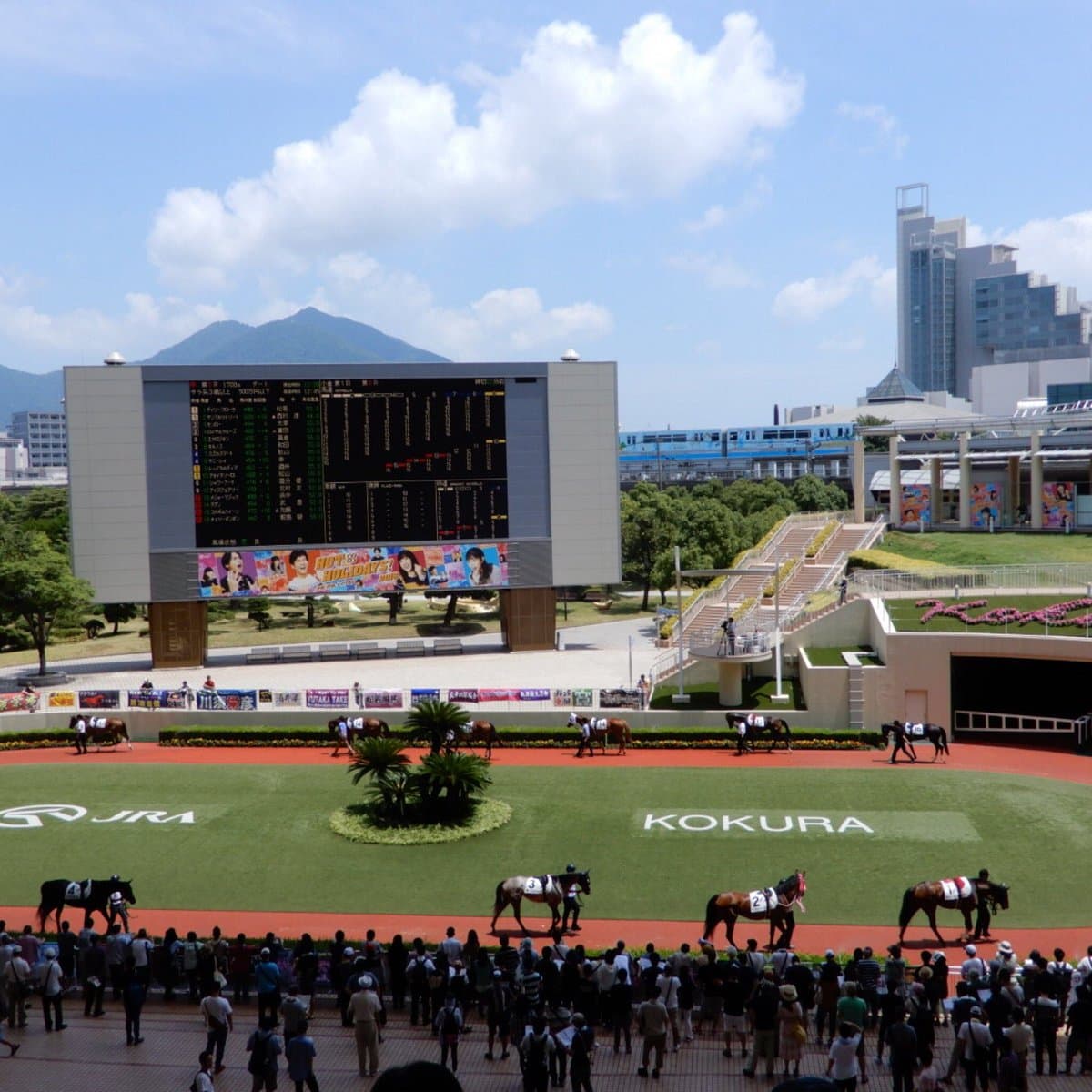
Kokura Horse Tracks is a prominent horse racing venue in Kitakyushu, offering a vibrant and accessible introduction to Japanese equestrian sports. It's not just a place for gambling; it's a cultural experience where locals gather to enjoy a popular pastime, making it a unique attraction for tourists seeking an authentic local flavor.
Visitors consistently praise the lively atmosphere, especially on race days, noting the excitement of the crowd and the thrill of watching the horses. Many reviewers highlight the affordability of the experience, from entry fees to food and drinks, making it an excellent value for entertainment. The facilities are generally described as clean and well-maintained, with ample seating and viewing areas. Families with children often appreciate the dedicated kids' play areas, allowing parents to enjoy the races while their children are entertained. Some visitors are pleasantly surprised by the quality of the food options available, which go beyond typical stadium fare.
For a fulfilling visit, allocate at least 2-3 hours, especially if you plan to watch multiple races and explore the facilities. Arriving early on a race day is advisable to secure good viewing spots and soak in the pre-race atmosphere. Bringing a small pair of binoculars can enhance the experience, allowing for a closer look at the horses and jockeys. While betting is a major part of the experience, it's not compulsory; many visitors enjoy the spectacle without placing wagers. Consider visiting during the spring or autumn for more comfortable weather, though the indoor facilities make it suitable for any season.
The Kokura Horse Tracks are located at 4-5-1 Kitagata, Kokuraminami-Ku. Reviewers often mention that the easiest way to reach the tracks is by taking the Kitakyushu Monorail to Kitagata Station, which is a short walk from the entrance. Driving is also an option, and parking facilities are available, though they can fill up quickly on busy race days. Public transport is generally recommended for convenience and to avoid potential traffic congestion.
A common complaint among first-time visitors is the initial confusion regarding the betting system and race programs, which are primarily in Japanese. To mitigate this, it's recommended to do some basic research beforehand on how to read race cards and place bets in Japan. Alternatively, look for information desks or ask staff for assistance, as some may speak basic English. Another minor issue noted by some is the occasional crowdedness, particularly on major race days, which can be managed by arriving earlier or exploring less congested viewing areas.