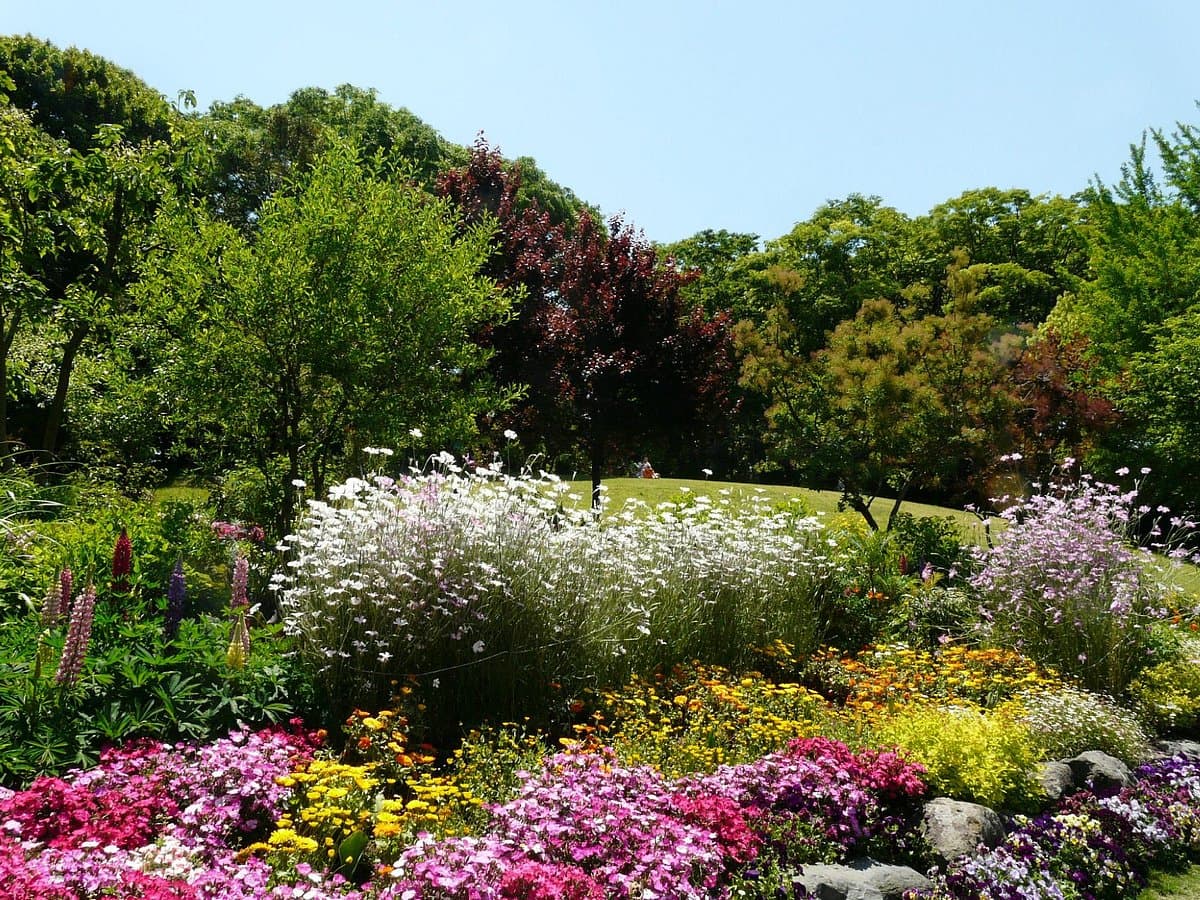
The Ishibashi Bunka Center is a significant cultural facility in Kurume City, originally established through a donation by Shojiro Ishibashi, the founder of Bridgestone Tire. It serves as a multi-faceted complex featuring a beautiful garden, a museum, and a library, and is deeply cherished by the local community for its well-maintained grounds and year-round seasonal beauty.
Visitors consistently highlight the center's meticulously kept gardens, which are praised for their diverse seasonal flowers, including cherry blossoms, roses, azaleas, camellias, and autumn leaves. Many reviewers emphasize the pleasant atmosphere, making it an ideal spot for relaxation, photography, and enjoying nature. The free entry to the garden is a frequently mentioned positive aspect, encouraging multiple visits. The presence of a cafe, Rakusuitei, within the park also adds to the pleasant experience, offering a nice view.
To make the most of your visit, consider checking the blooming schedule for specific flowers if you have a preference, as different seasons offer unique floral displays. Reviewers suggest that visiting during camellia and azalea seasons is particularly rewarding. Allocate at least 1-2 hours to leisurely explore the gardens and enjoy the tranquil environment. While the garden is free, the museum may have separate entry fees or special exhibition charges. It's advisable to bring a camera for the numerous photo opportunities, and comfortable shoes for walking around the expansive grounds.
The Ishibashi Bunka Center is conveniently located about a 15-minute walk from Nishitetsu Kurume Station. This makes it easily accessible via public transport for those traveling within Kurume or from nearby cities. For those driving, parking facilities are available, though it's always good to check for specific parking details or potential fees beforehand.
One common point of caution from visitors relates to the museum's art collection. While the center is associated with local artists like Koga Harue, specific artworks may not always be on permanent display. Reviewers recommend checking the museum's current exhibition schedule in advance if you are visiting for a particular artist or collection, as temporary exhibitions might replace permanent ones, potentially leading to disappointment if expectations are not managed.