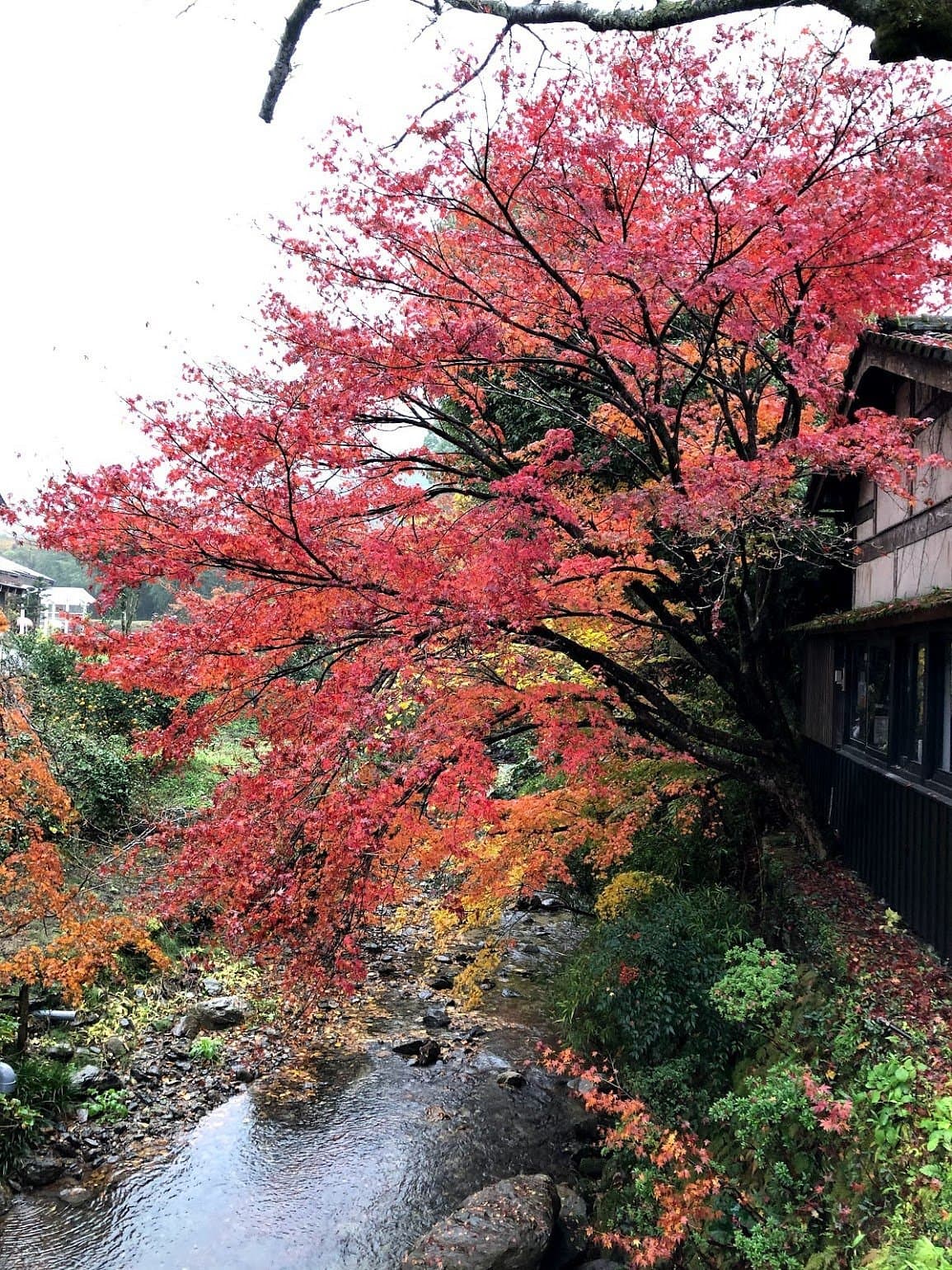
Akizuki Castle, once a significant stronghold, now stands as a collection of peaceful ruins nestled in the scenic town of Asakura. While little of the original castle structure remains, the site is cherished for its historical significance and the serene atmosphere it offers, reflecting a more authentic and less-touristy side of Japan.
Visitors consistently praise the area for its tranquility and natural beauty, making it an ideal spot for a relaxing walk. Many reviewers highlight the charm of Akizuki during the autumn foliage season and the cherry blossom period, noting that these times offer particularly picturesque views. The quiet ambiance is frequently mentioned, with some visitors appreciating the lack of crowds, especially during off-peak seasons, which allows for a more immersive experience.
To make the most of your visit, consider spending 1-2 hours exploring the grounds. The best times to visit are during autumn (late October to early December) for vibrant fall colors or spring (late March to early April) for cherry blossoms. Dress comfortably for walking, as you'll be exploring the natural surroundings. Since the castle remains are more about the atmosphere than grand structures, manage your expectations regarding visible ruins; the appeal lies in the peaceful environment and historical context.
The Akizuki Castle Remains are located in Akizukinotori, Asakura, Fukuoka Prefecture. While specific public transport details are not frequently mentioned in reviews, visitors often note driving to the area, suggesting that a car might be the most convenient way to reach this somewhat rural location. If relying on public transport, research local bus routes from Asakura or Amagi stations, as direct train access to the immediate vicinity is unlikely.
A common sentiment among reviewers is that while the castle ruins themselves are minimal, the overall experience of the Akizuki area is what makes the visit worthwhile. Some visitors who expected extensive castle structures expressed slight disappointment, but this can be mitigated by focusing on the natural beauty and the quaint, traditional feel of the surrounding town.