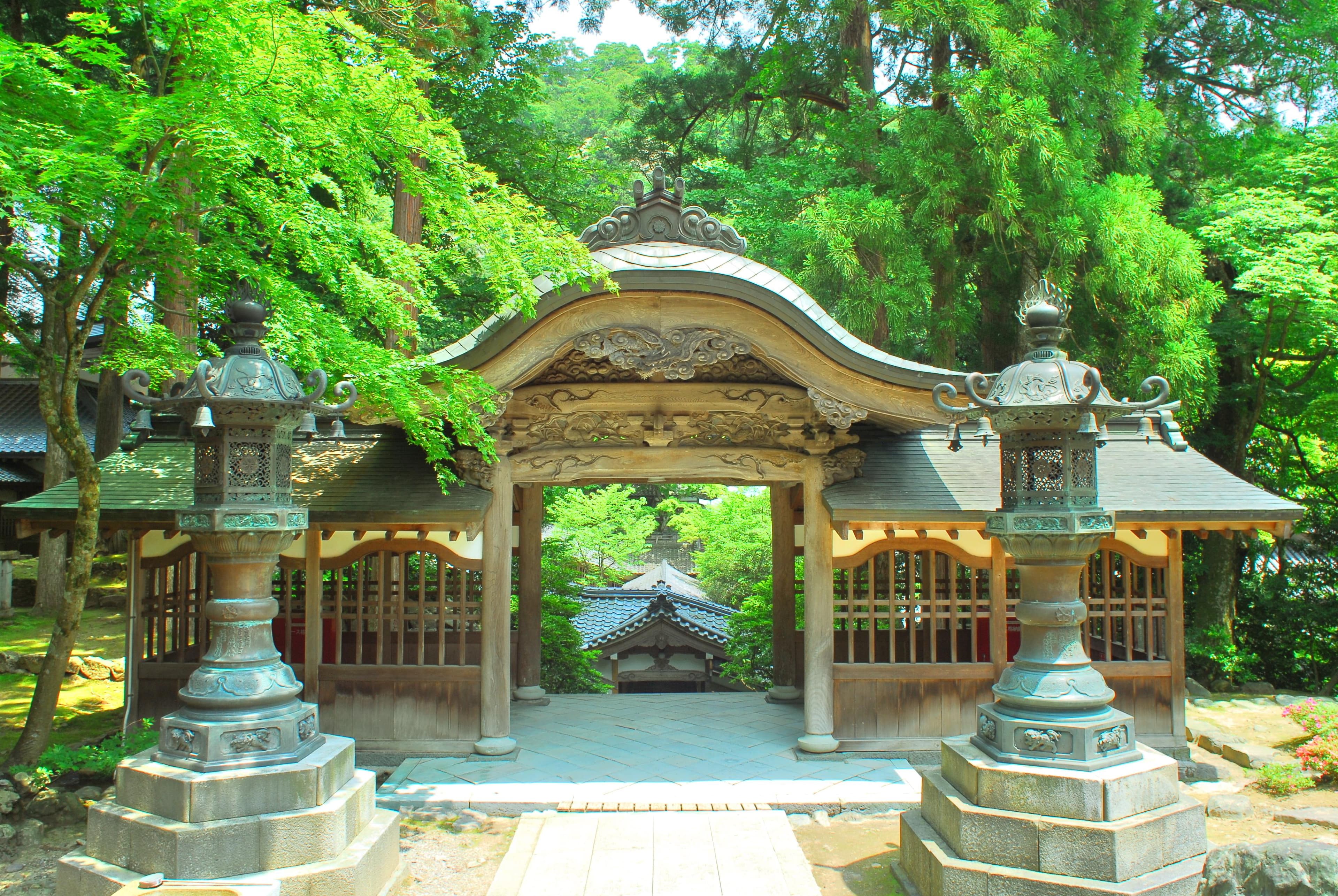
Daihonzan Eiheiji, often referred to simply as Eiheiji Temple, is the head temple of the Soto Zen sect of Buddhism, founded in 1244 by Dogen Zenji. It stands as a living monastery where hundreds of monks continue their rigorous training, offering visitors a unique window into traditional Zen practice. The temple's historical significance and its role as a center for zazen (sitting meditation) make it a crucial site for understanding Japanese spiritual heritage.
Visitors consistently praise the temple's serene and profound atmosphere, often describing it as a refreshing and sobering experience. Many note the beauty of the grounds, especially the ancient cedar trees and moss-covered structures, which are particularly stunning in autumn with changing leaves or in winter under snow. The opportunity to observe monks going about their daily routines, from tending gardens to carrying out chores, is frequently highlighted as a unique and moving aspect of the visit. Reviewers also appreciate the well-maintained buildings and corridors, which connect the extensive complex of over 70 structures.
For a fulfilling visit, allocate 2-3 hours to explore the temple. Many recommend arriving early to avoid crowds, especially tour buses, or visiting in the late afternoon before sunset for a more tranquil experience. While the temple provides slippers, visitors must remove their shoes and carry them in a plastic bag provided, so comfortable socks are advisable. The temple involves a lot of walking and many stairs, so comfortable footwear is essential, and those with mobility issues should be aware. Consider participating in the 1-hour Zen meditation experience, taught by a monk, which many reviewers found very meaningful and costs around 500 yen. English guide leaflets are available and highly recommended to understand the significance of different areas.
Eiheiji Temple is well-connected by public transport from Fukui Station. Direct buses, such as the Keifuku bus, depart from Fukui Station (Platform 1) and take approximately 30-40 minutes. Some reviewers mention an earlier option involving the Echizen Railway to Eiheijiguchi Station, followed by a connecting bus, but the direct bus is often preferred for convenience. For those driving, parking is available, though some visitors recommend driving closer to the temple to find parking spots for around 500 yen, rather than parking further down the approach road. The temple is located in a small town with souvenir shops and restaurants, including soba and miso cutlets, which are popular for lunch.
A common point mentioned by visitors is the strict no-photo policy inside the buildings, particularly concerning the monks, to respect their privacy and training. While some find the sheer number of stairs challenging, the interconnected corridors mean much of the visit is indoors and protected from the elements, making it an atmospheric experience even on rainy or snowy days. The temple can get busy, especially with tour groups, which can detract from the quiet contemplation some seek; arriving at off-peak times helps mitigate this.