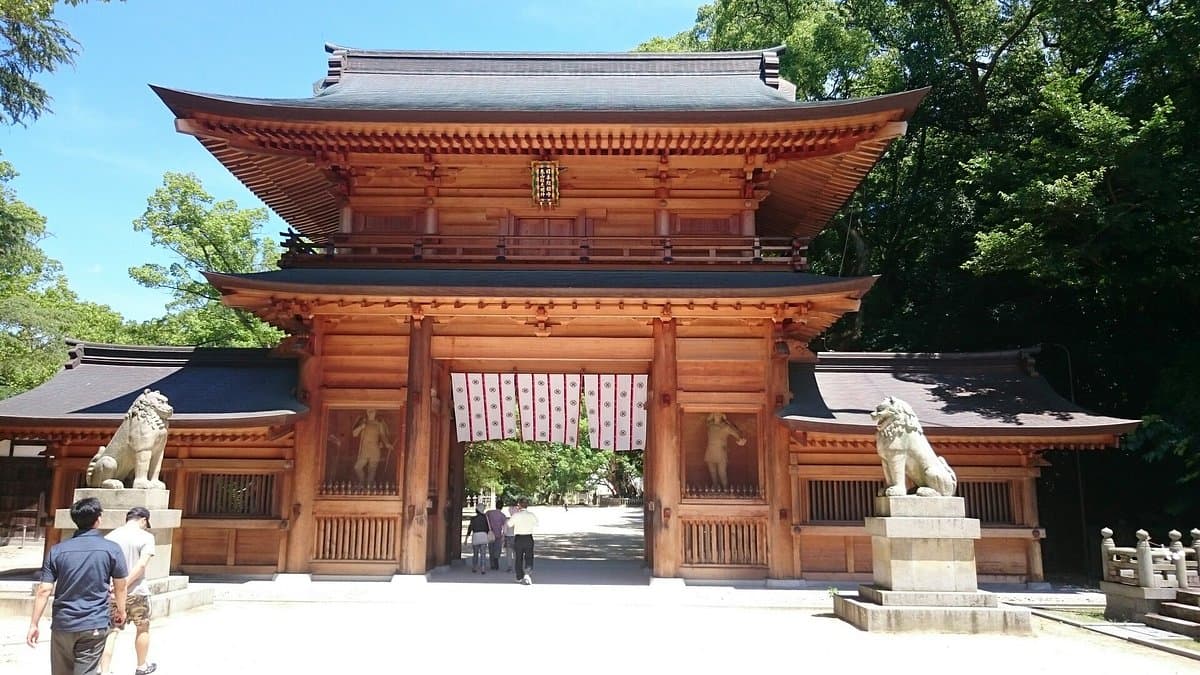
Oyamazumi Shrine is a historically significant Shinto shrine located on Omishima Island in Ehime Prefecture, often referred to as the "Nihon Sochinju" or guardian deity of Japan. It is revered for its ancient origins and its role as a repository for numerous historical artifacts, particularly those related to samurai culture. The shrine's serene grounds and impressive collection of National Treasures make it a compelling destination for those seeking a deeper understanding of Japanese heritage.
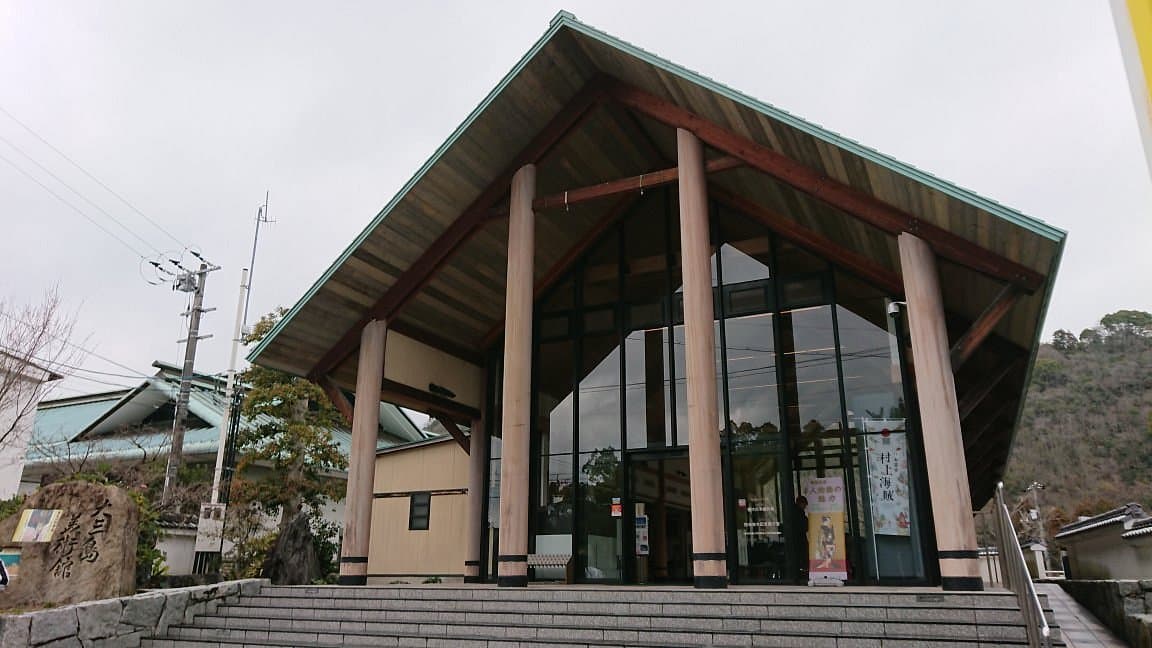
Visitors consistently praise the shrine's peaceful and solemn atmosphere, noting a distinct change in the air upon entering the torii gate. The ancient camphor trees, some reportedly over 2,500 years old, are a major highlight, with many describing them as majestic and powerful. The shrine's museums, particularly the Treasure Hall (Hōmotsukan), receive high commendation for their extensive collection of samurai armor, helmets, and swords, many of which were offerings from famous historical figures and are designated National Treasures. Reviewers emphasize that these artifacts offer a rare and valuable insight into Japan's martial history, making the museum a must-see for history enthusiasts.
To make the most of your visit, allocate at least 1-2 hours to explore the grounds and the museum. While the main shrine is impressive, don't miss the ancient trees. Some visitors recommend visiting during cherry blossom season for added beauty. Wear comfortable shoes as you'll be walking. While the museum's maintenance has been noted by some as not perfectly modern, the historical value of its contents remains undeniable. Consider combining your visit with cycling the Shimanami Kaido, as the shrine is a popular stop along the route.
Oyamazumi Shrine is located on Omishima Island, which is part of the Shimanami Kaido cycling route. If traveling by public transport, direct buses are available from Matsuyama. Alternatively, you can take a limited express train to Imabari and then a bus to Omishima. For those cycling the Shimanami Kaido, the shrine is easily accessible from the route, and many cyclists make a dedicated stop here. Parking is available nearby for those traveling by car.
A minor complaint from some visitors is that beyond the ancient trees and the museum, the shrine itself might not feel "special" to those less interested in history or traditional shrine architecture. However, for those with an interest in Japanese history, especially samurai, the museum's collection far outweighs this concern. Ensure you check the museum's operating hours, as they may differ from the shrine grounds.