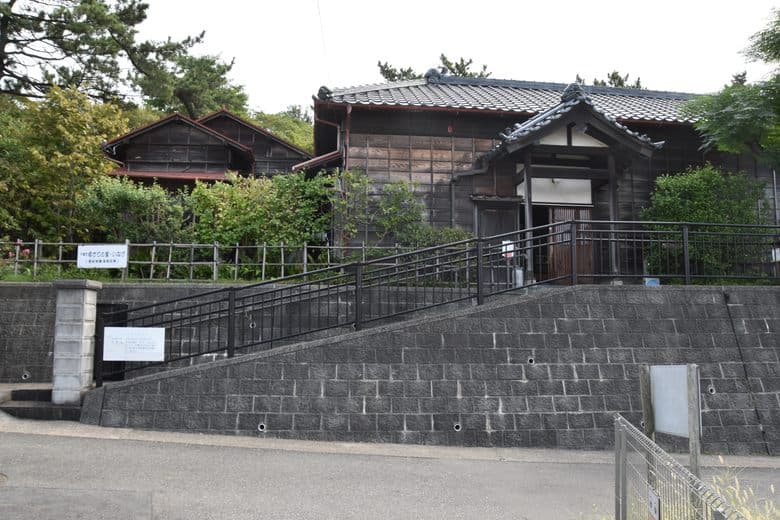
Prince Pujie's Honeymoon House is a historic residence in Inage, Chiba, notable for being the brief home of Aisin-Gioro Pujie, the younger brother of China's last emperor, Puyi, and his Japanese wife, Hiro Saga. Built in 1913, this house represents a unique intersection of Japanese and Chinese aristocratic history, offering a tangible link to a significant, albeit short, period in the couple's life before the tumultuous events of the mid-20th century.
Visitors consistently appreciate the serene atmosphere and the historical significance of the house. Reviewers often highlight the well-preserved architecture and the personal touches, such as Pujie's calligraphy and the photographs, which provide an intimate look into the couple's life. The house serves as a quiet retreat, allowing for reflection on the broader historical context it represents. Some visitors find the collection small but meaningful, emphasizing the quality over quantity of the exhibits.
To make the most of your visit, allocate about 1-2 hours to explore the house and its exhibits. It is advisable to visit during off-peak hours, perhaps in the late morning or early afternoon, to enjoy the tranquility. Since the house is not a major tourist hub, it rarely gets crowded. There are no specific items to bring, but comfortable shoes are always recommended for exploring. As entry is free, it's a budget-friendly historical stop.
The house is located in Inage, Chiba. While specific public transport details are not extensively mentioned in reviews, Inage was historically a resort town, suggesting it is accessible. Visitors typically reach Chiba via train from Tokyo, and then use local transport to Inage. Given its location off a narrow alley, walking from a local train station or bus stop would be the most practical approach. Parking information is not readily available, so public transport is generally recommended.
Common complaints are few, primarily revolving around the house's relatively small size and the limited number of exhibits, which might not satisfy those expecting a grand museum experience. To mitigate this, approach the visit with an appreciation for its specific historical niche rather than expecting a broad historical overview. Understanding the context of Pujie and Hiro's story beforehand can significantly enhance the experience.