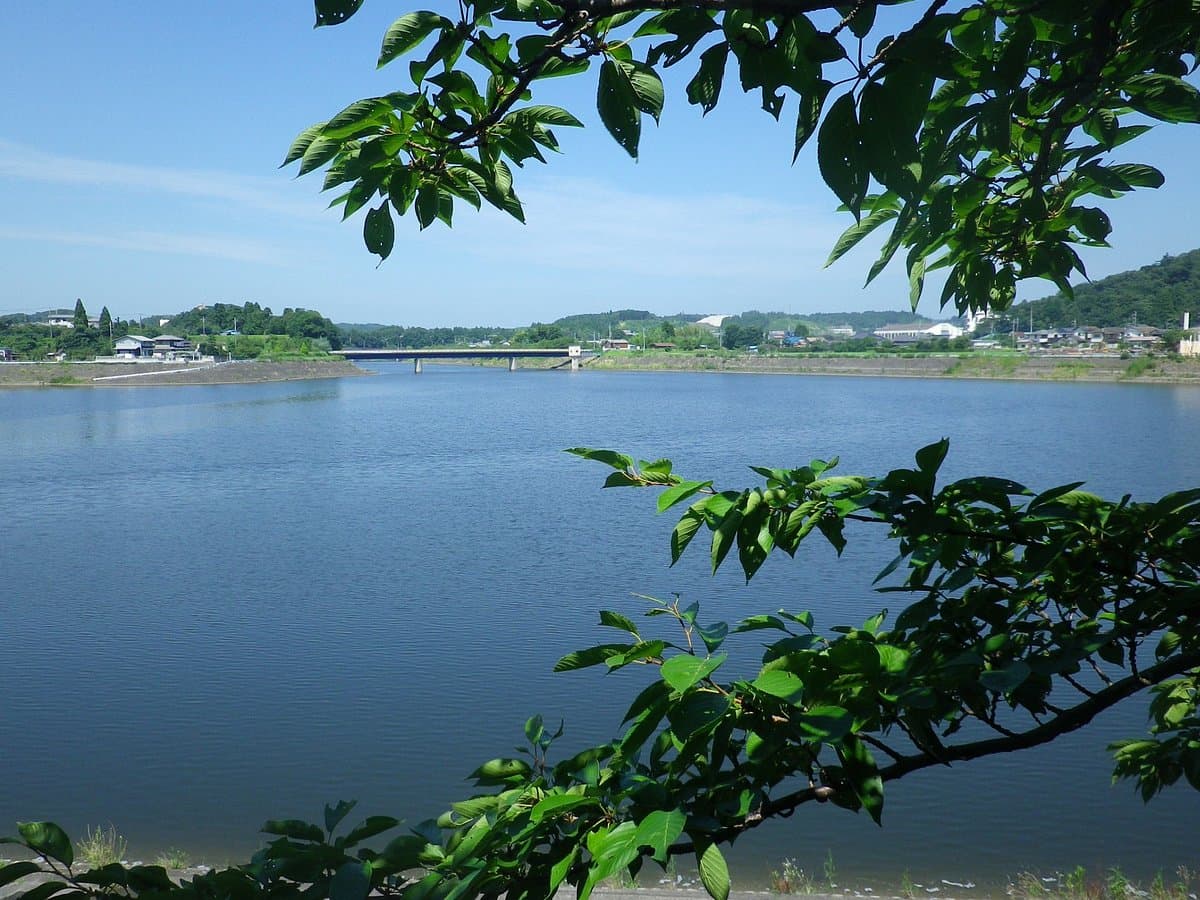
The Ichihara Kohan Art Museum is a distinctive contemporary art museum located on the shores of Lake Takataki. It is notable for its architectural design, which incorporates elements of the surrounding natural landscape, and its focus on art that interacts with its environment. The museum aims to provide a contemplative space where visitors can engage with art, architecture, and nature simultaneously.
Visitors frequently praise the museum's beautiful setting and unique architecture, often describing it as a peaceful and aesthetically pleasing experience. Many highlight the integration of the building with the lake and the surrounding greenery, making it a pleasant destination for those seeking tranquility. The outdoor sculptures and installations are also a recurring positive theme, allowing for exploration beyond the main building. However, some reviewers note that the indoor exhibition space is relatively small, and the art collection, while interesting, might not be extensive enough for those expecting a large-scale museum experience. The café is often mentioned as a nice spot for a break with good views.
For a fulfilling visit, allocate about 1 to 2 hours to explore both the indoor exhibits and the outdoor areas. The museum is best visited during daylight hours to fully appreciate the natural light and views. Bringing a camera is recommended for capturing the scenic surroundings and architectural details. It's advisable to check the museum's official website for current exhibitions before visiting, as the temporary displays are a significant part of the experience. Consider combining your visit with other activities in the Ichihara area, such as exploring the lake or nearby hiking trails, to make the most of the remote location.
Getting to the Ichihara Kohan Art Museum primarily requires a car, as public transport options are limited and less convenient. Reviewers consistently mention that driving is the easiest way to reach the museum, and there is ample free parking available on site. While it is technically accessible by train and bus, the journey involves multiple transfers and can be time-consuming. The nearest train station is Tsukizaki Station on the Kominato Line, but from there, a taxi or a long walk would be necessary. For those without a car, a taxi from Goi Station (JR Uchibō Line) might be an option, but it would be a significant expense. The scenic drive through the countryside is often highlighted as part of the overall experience.
A common complaint among visitors is the museum's remote location and the limited public transport access, which can be a deterrent for those without a car. To mitigate this, consider renting a car for the day, or if traveling with a group, sharing a taxi from a major station like Goi. Another point raised is the relatively small size of the indoor collection. To manage expectations, view the museum more as an architectural and natural experience with art rather than a traditional large art gallery. Checking exhibition schedules beforehand can also help ensure the current displays align with your interests.