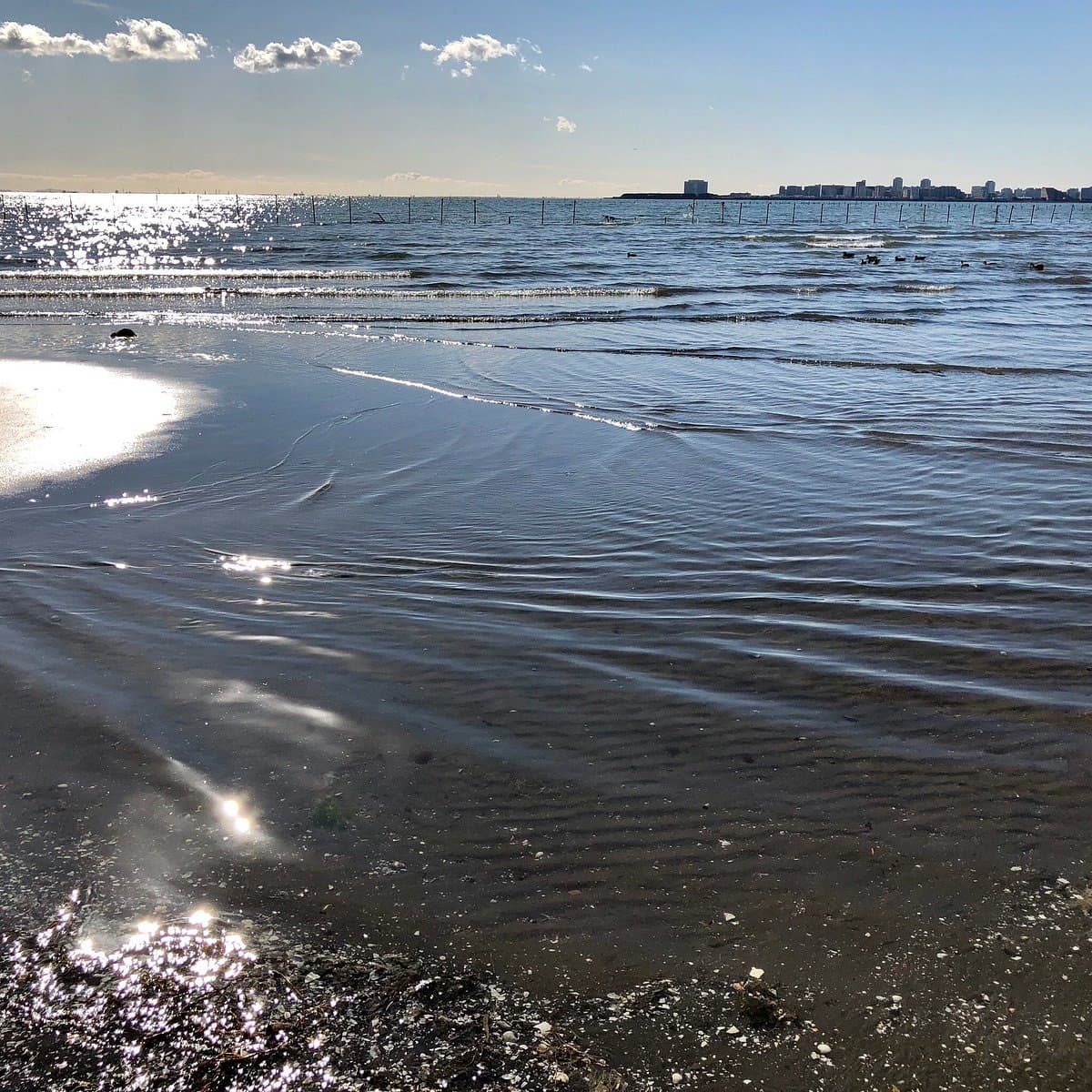
Funabashi Sanbanze Ocean Park is a significant ecological area in Chiba Prefecture, known for its extensive tidal flats that serve as a vital habitat for various migratory birds and marine life. It plays a crucial role in environmental education and conservation, offering visitors a chance to connect with nature close to the urban sprawl of Tokyo.
Visitors consistently praise the park for its natural beauty and the opportunity to observe wildlife, particularly birds. Many highlight the clam digging experience as a fun and engaging activity, especially for families with children. The educational center is often mentioned as a valuable resource for learning about the local ecosystem. However, some reviewers note that the park can feel a bit isolated and that facilities, while present, might be basic. The vastness of the area is appreciated by those seeking open spaces, but it can also mean longer walks between points of interest.
For a fulfilling visit, it's advisable to check the tide schedule in advance, especially if planning to participate in clam digging, as this activity is tide-dependent. Bringing your own clam digging tools (rakes, buckets) is recommended, though some may be available for rent. Sunscreen, hats, and comfortable walking shoes are essential, as much of the park is exposed. A visit of 2-3 hours is generally sufficient to explore the main areas and enjoy an activity. Consider packing snacks and drinks, as food options within the immediate vicinity can be limited. Weekdays are often less crowded than weekends, offering a more peaceful experience.
Getting to Funabashi Sanbanze Ocean Park requires a bit of planning. The park is not directly accessible by train. Many visitors recommend taking a bus from Funabashi Station (JR Sobu Line or Keisei Line) or Minami-Funabashi Station (JR Keiyo Line). Bus routes typically take about 20-30 minutes. Driving is also an option, and the park has parking facilities, though these can fill up on busy weekends. Walking from the nearest train stations is generally not recommended due to the distance.
A common complaint is the park's somewhat remote location and the effort required to reach it, which can deter spontaneous visits. To mitigate this, plan your transportation in advance and factor in bus waiting times. Some visitors also mention the strong winds, especially on the open tidal flats; bringing a windbreaker or extra layers can make the experience more comfortable.